When business is good, marketing is the first thing to go. I know because I did it.
In 1998 I spent months building relationships with ad agencies, looking for work. It paid off. I landed a big contract building web apps for PayPal, HP, and a handful of other big names, so I stopped going out and buried myself in the projects.
Then the agency lost its contracts, and my projects ended with them.
It took me a year to get back to where I'd been... and a lot of that year was spent explaining to people why I'd disappeared.
If you run a small business, the slow months usually start in the busy ones. Customers come from relationships, and relationships need you to keep showing up. It doesn't have to be much. A couple of posts a week and a quick note to past customers now and then is enough to survive a busy month.
What's the first thing you drop when you get busy?
#SmallBusiness #Marketing …more
Radi8 Social
K
Kent Kaufman
Organization focused on AI leadership and innovation for the Fourth Industrial Revolution, based in Silicon Valley
Putting New Ideas to Work
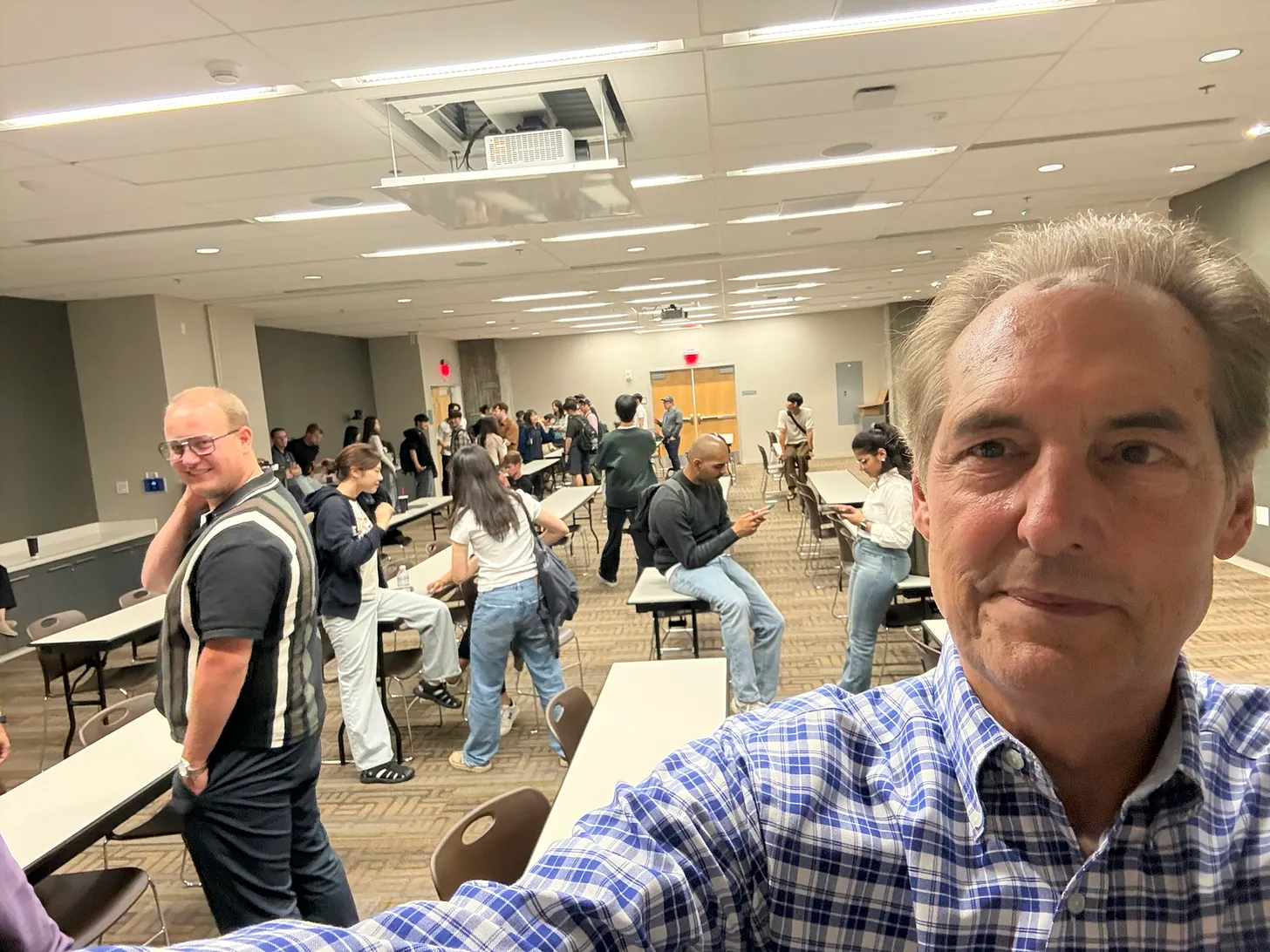
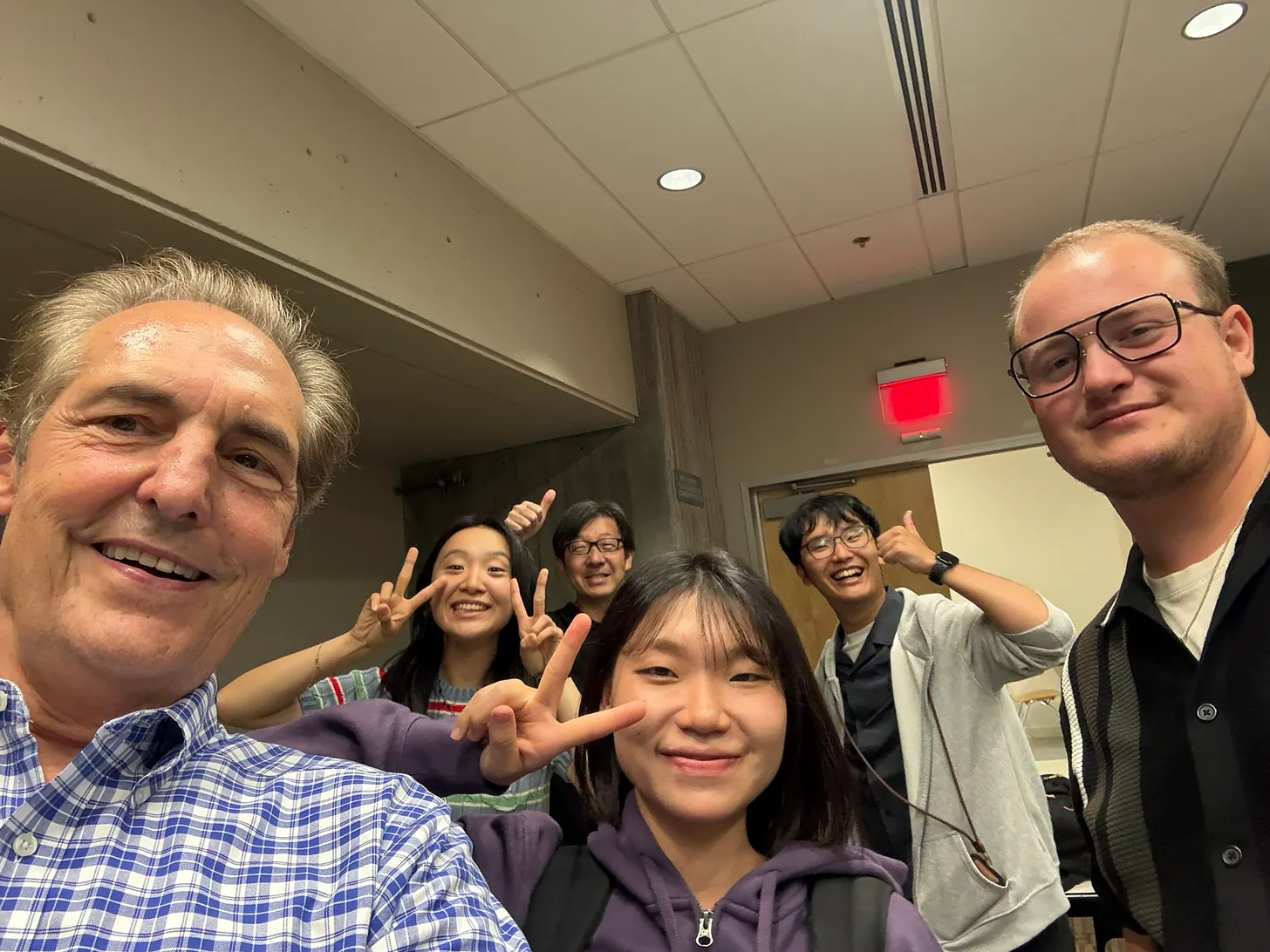
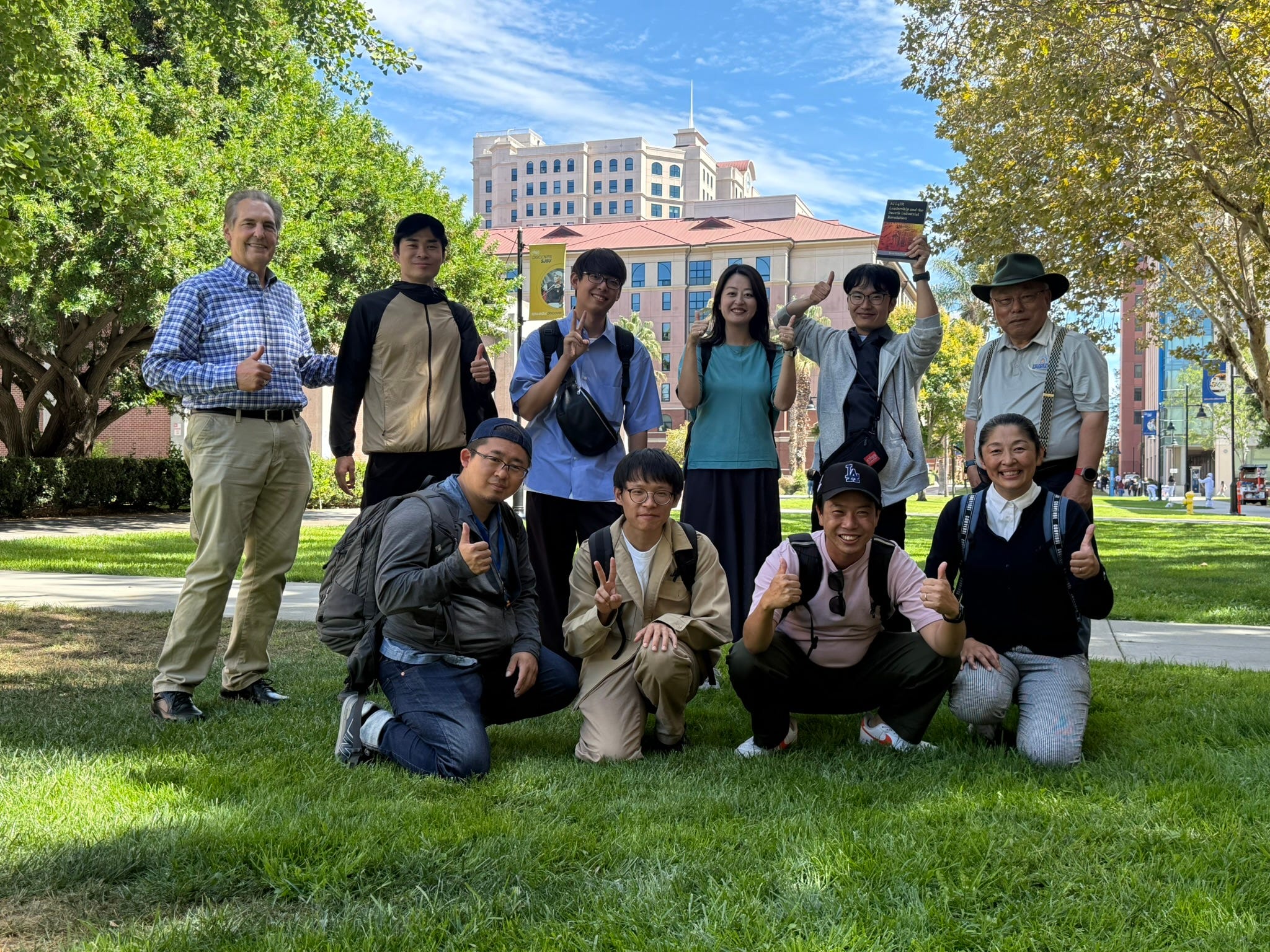
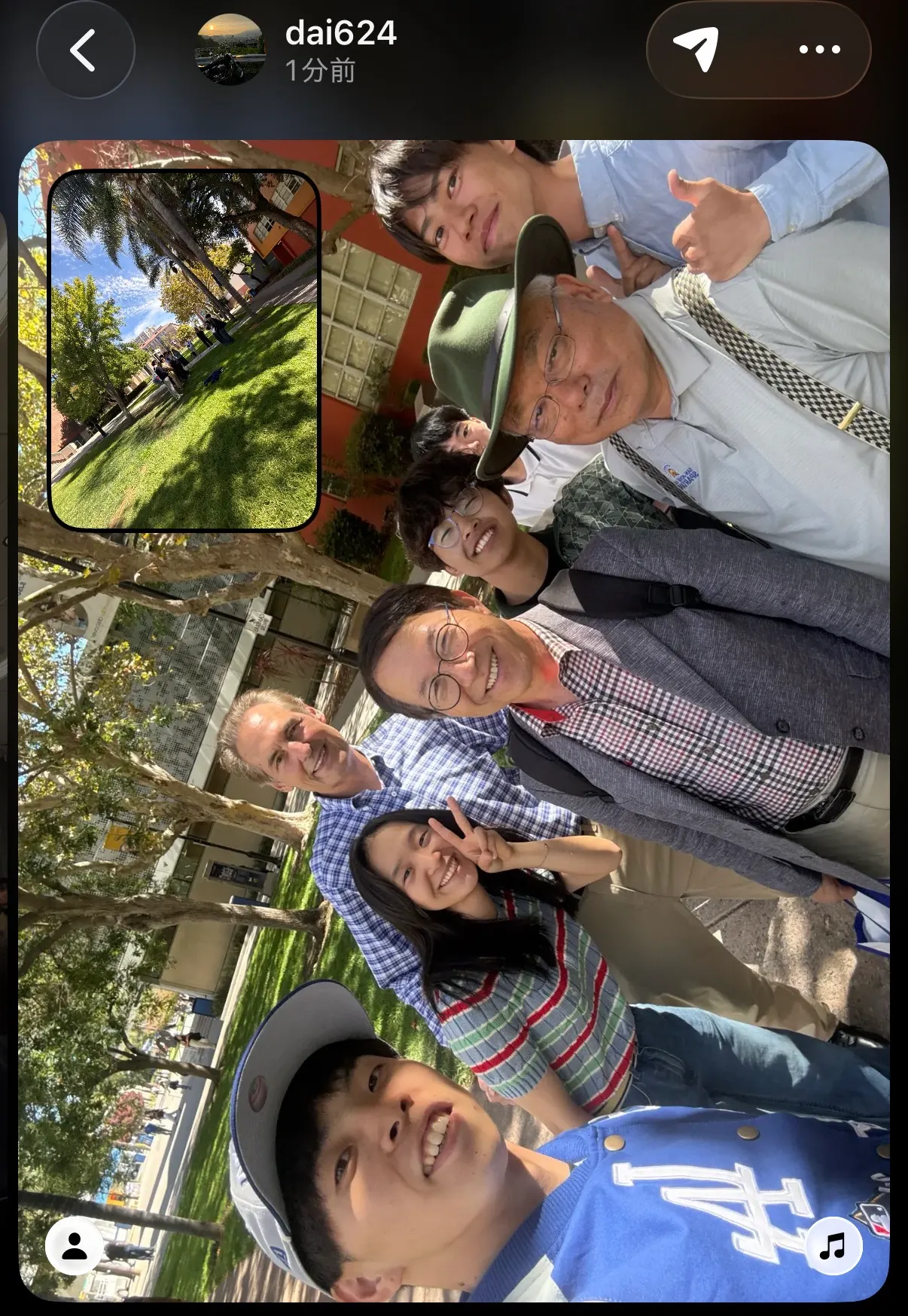
The SJSU international cohort finishes with AI pitches, real teams, and a Silicon Valley send-off
A few weeks ago I wrote about welcoming a remarkable group of students to San José State University—young people from a variety of countries in Asia and Europe such as Korea, Japan, Germany, Italy, China, and Mongolia, here to study science, technology, innovation, and entrepreneurship in Silicon Valley.
This past week that program came to a happy close.
They stood in front of SJSU faculty and industry experts and presented the startup projects they had built in a pressure-packed couple of weeks. Many of the ideas used AI. The range was ambitious and specific: generative AI optimization for GEO/SEO, AI market-matching for spaces and services, AI-based elderly care monitoring, pet-care AI, AI-secured smart homes, AI sports coaching, and AI transportation applications. The ideas were strong. The demos were real. Innovation, at its core, is putting new ideas to work—and that is exactly what they did.
What made the day memorable was not only the technology. English is not their native language, yet they presented with clarity and composure. Inside their teams they used English to plan, argue, revise, and ship—and they put Google Translate through its paces along the way. Different country cultures and personalities were in the same rooms, under the same deadlines, and they got along. They became productive teams.
That is harder than it looks. It is also the part of Silicon Valley that does not show up on a campus tour or a photo of the Golden Gate Bridge. You learn it by building something with people who do not start from the same language, the same assumptions, or the same working style—and still finding a way through.
These are the same themes I write about in AI L4IR: Leadership and the 4th Industrial Revolution and that we work on through the AI Institute of Silicon Valley: AI folding into hardware, software, the internet, and the edge, and teams learning how to adopt it with speed and discipline. Watching this cohort do that in miniature, in a few intense weeks, was inspiring.
It is an experience I believe they will carry forward for the rest of their lives.
Thanks to all the students; to the faculty from around the world; and to our own Silicon Valley team of close colleagues who made this program possible. It was a privilege to be part of it.
See photos of the group below.
#SiliconValley #Innovation #AI #SJSU #AIL4IR #AIISV #GlobalEducation …more
E
Erika Sanneman
The Multilingual Mind helps schools and education teams close the gap between what they know they want to do and what their people actually have the time, training, tools, systems, and support to impl
One thing I have learned about myself: daily inspiration is not a reliable operating system. 😂
If I want to post consistently, write consistently, make videos consistently, I need to batch things when I actually have the energy and ideas.
So sometimes that means sitting in the car before the gym recording three videos.
Sometimes it means talking through a blog idea while I’m driving somewhere and finishing it later.
Sometimes it means making five graphics at once because I know next Tuesday I may have absolutely no desire to open Canva.
I used to think consistency meant doing the thing every day.
Now I think sometimes consistency means building systems that account for the fact that I am, in fact, a human being. …more
When business is good, marketing is the first thing to go. I know because I did it.
In 1998 I landed a big contract building web apps for PayPal and HP, stopped going out to meet people, and buried myself in the work. When the agency lost its contracts, my projects ended too. It took a year to get back... much of it explaining why I'd disappeared.
The slow months usually start in the busy ones. Keep showing up, even a little.
What do you drop first when you get busy? …more
Told 3 times, Oct 26, 2026
· X · Open
When business was good in 1998, I stopped showing up. When the contract ended, it took a year to rebuild. Keep showing up.
· Bluesky · Open
When business is good, marketing is the first thing to go. In 1998 I landed a big contract, stopped meeting people, and buried myself in the work. When it ended, it took a year to get back. The slow months usually start in the busy ones.
E
Erika Sanneman
The Multilingual Mind helps schools and education teams close the gap between what they know they want to do and what their people actually have the time, training, tools, systems, and support to impl
So I had a very annoying little business/social media learning moment this week.
I’m still pretty new to intentionally using social media for my business, and I’ve been trying different AI tools because, realistically, I cannot personally do every single piece of content creation, graphics, scheduling, editing, posting, etc.
And one of the things I had been letting AI help with was graphics.
Well.
One of the carousels I had scheduled actually published with completely messed up text in the images.
Not like one typo.
Like duplicated words, overlapping letters, parts that were basically unreadable.
And I somehow did not catch it before it went live.
Which was especially horrifying because my business is literally education, curriculum, language, communication, professional learning...
So yeah. Great look. 😬
I deleted it, and then immediately started checking everywhere else because of course my next thought was, “Wait. Where else did I use this?”
And honestly, that was probably the more useful part of the whole thing.
Because yes, the AI messed up the graphic.
But I also had a system where something could be generated, scheduled, and posted without me actually stopping to look closely enough at the final visual before it went out.
That part is on the process.
Which is also kind of funny because so much of the work I do is literally about asking, “Is this actually a people problem, or is this a system problem?”
Apparently I needed to ask myself the same question.
So I’m changing how I do it.
I still absolutely want AI helping me with research, organizing, drafting, repurposing, figuring out structure, and all the behind-the-scenes stuff that makes running this business possible.
But I think I want way less AI-generated imagery.
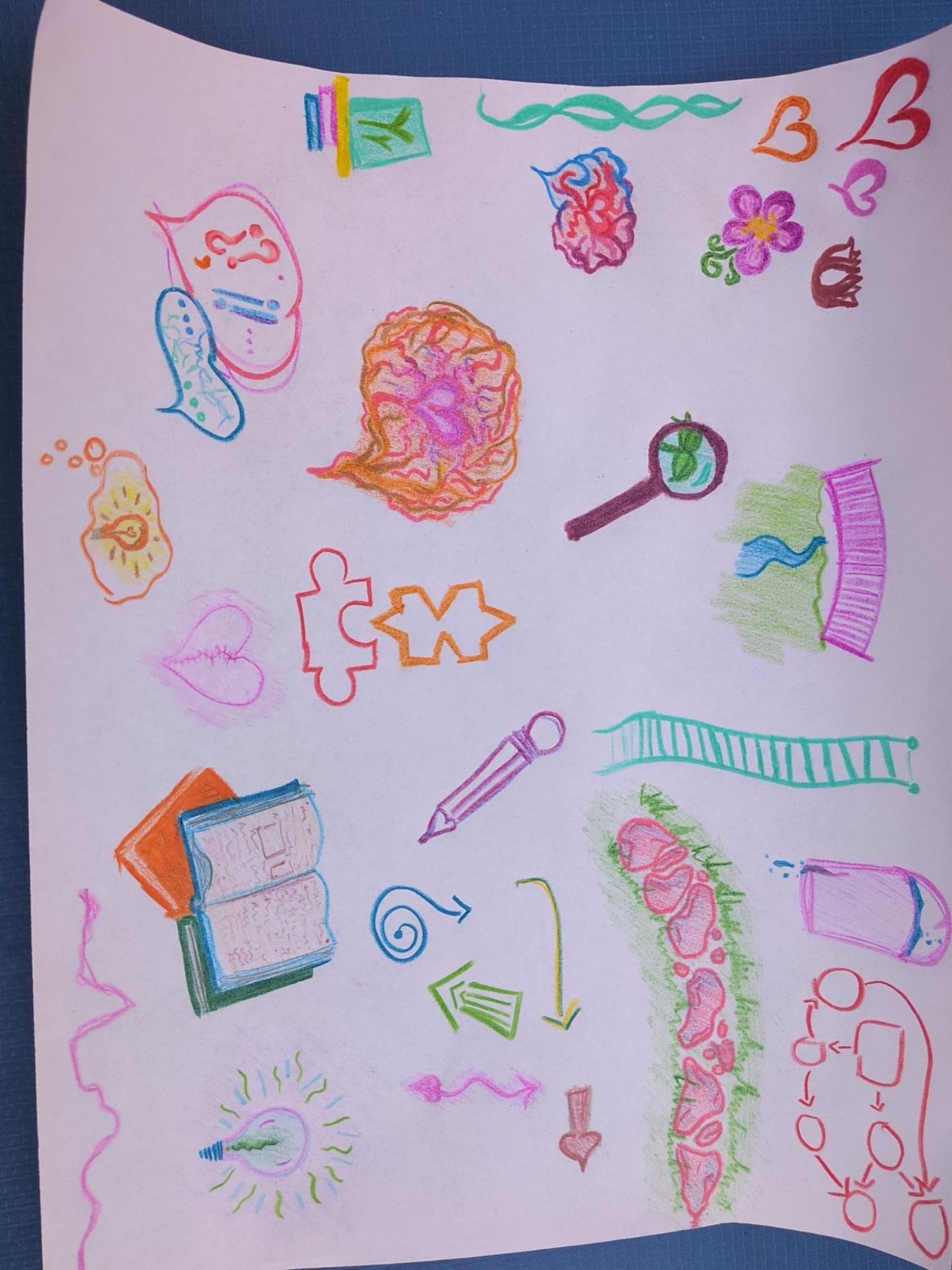
Today I literally sat at the table with colored pencils and started doodling little brains, books, arrows, flowers, speech bubbles, puzzle pieces, lightbulbs, paths, hearts, and some very questionable ladders.
And I kind of love them.
They are not perfect. That is sort of the point.
They actually feel more like me.
So now I’m thinking I can use my own doodles, my own photos, simple shapes, and real text that gets laid out cleanly in Canva instead of asking AI to invent the whole visual.
Which honestly feels better anyway.
I think this is one of the weird parts of building a business right now. We’re all using these tools while also figuring out where we actually want them in the process.
And sometimes you only figure that out after something goes a little sideways.
For me, apparently, the answer is:
AI can help me build the thing.
I just don’t want it deciding what my brand looks like.
Also apparently my brand needed more colored pencils. …more


LinkedIn just added a button to flag AI slop. Then quietly nerfed two things creators have relied on for years: comment-for-lead-magnet posts and CTAs asking for reshares.
I've seen it firsthand. Posts that normally hit half a million views in a week getting capped at 500. Removed the CTA and watched it climb to 20,000.
My take on the lead magnet suppression: it's the wrong call. The only people commenting on those posts are people who actually want what you're offering. That's not spam — that's an engaged audience self-selecting. LinkedIn should think twice.
But the broader signal? It's good for those of us who do the work.
LinkedIn's own CPO called AI slop a "top priority." Over a million people clicked the new button in two weeks. Views on flagged content dropped 40%. The platform is enforcing quality now — and that means posting five times a week is only an advantage if what you're posting is worth reading.
AI can help you research, find angles, and organize your thinking. But the post itself needs to come from your brain.
Do epic things. Write about them. That's still the playbook — and now LinkedIn is enforcing it.
https://fortune.com/2026/07/31/linkedin-seems-like-ai-slop-button-billions-automated-comments-attempts/
#LinkedIn #B2BMarketing …more
A 100% referral-based practice can look like a finished business... every client arriving through word of mouth, no marketing required. Usually it means the work is genuinely good, because people don't refer you unless you've earned it.
But it's a position you can't forecast. You can't schedule referrals, speed them up, or refill them on command... they arrive on their own timing, in their own volume, and you're not the one holding the dial.
A reputation the market can actually find does two jobs at once. It makes the referrals you've already earned move faster, and it lets new clients reach you directly... without waiting for someone to make the introduction.
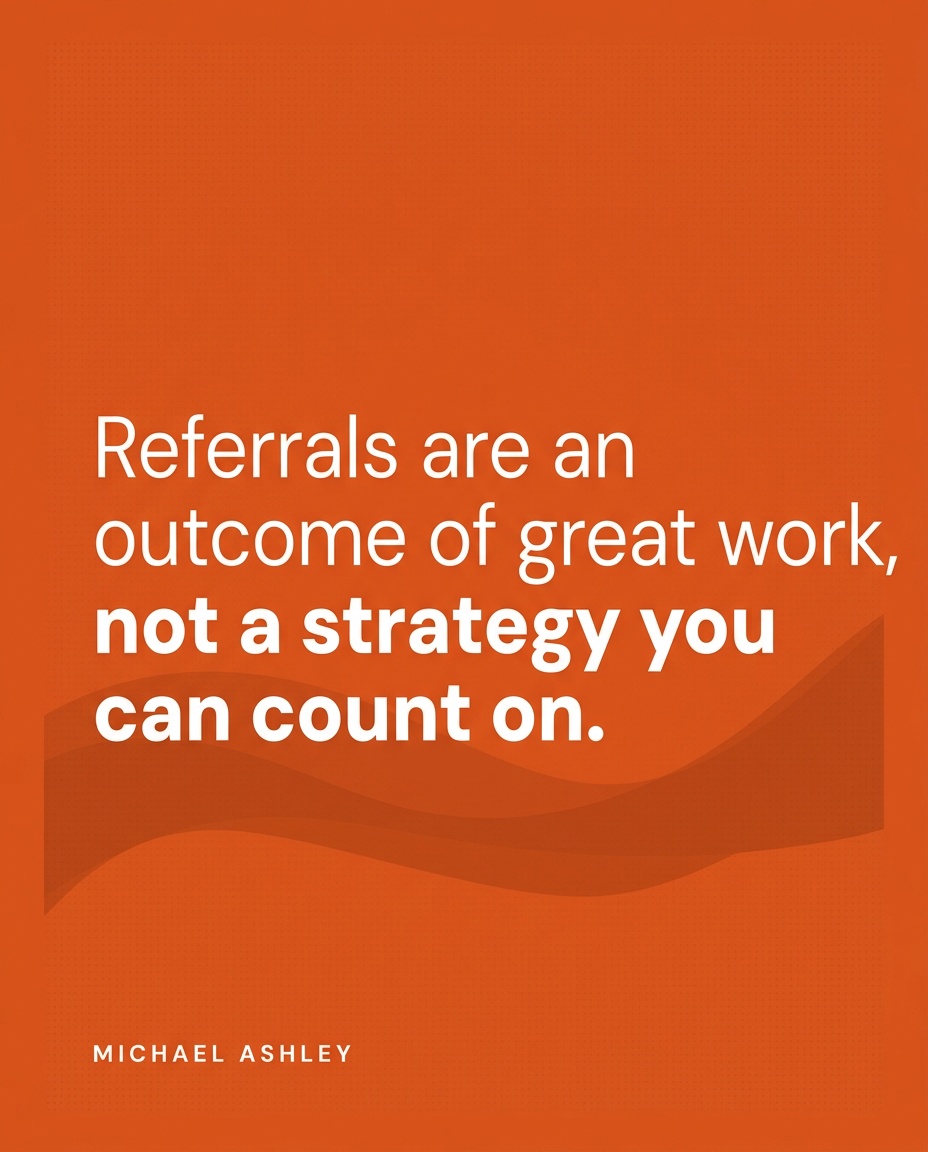
Referrals are an outcome of great work, not a strategy you can count on.
One question I'd ask: if your referrals went quiet for 60 days, what would you do? That answer tells you how much proactive strategy you actually have.
My community where coaches and consultants get in the room with the founders they want as clients is linked in the first comment.
#Coaching #IndependentConsultant #GoingIndependent #Positioning #ConsultingBusiness …more
Told 2 times, Oct 24, 2026 – Nov 6, 2026
· Instagram · Open
A coach I interviewed told me, "even to this day I'm a 100% referral-based practice." That reflects genuinely great work. It's also a risk you can't forecast... you can't speed referrals up, control their timing, or refill them on command.
A reputation the market can find does two things at once: it makes referrals accelerate, and it lets new clients reach you directly.
Referrals are an outcome of great work, not a strategy you can count on.
If your referrals went quiet for 60 days, what would you do? That answer tells you how much proactive strategy you actually have.
#ExecutiveCoach #CoachingBusiness #IndependentConsultant #ConsultingBusiness #GoingIndependent #Positioning #PersonalBrand #Solopreneur #SmallBusinessOwner #BusinessGrowth
E
Elizabeth Greenfield Functional Wellness
· LinkedIn
I've stopped believing that more practitioners means better care.
Many women come to me having already built a team. A clinician reads the labs. A nutritionist gets a referral later. Two plans, two timelines, and she is the one translating between them.
So I built my practice differently. I work in partnership with Stephanie Doty, a holistic nutritionist, precision nutrition master health coach, and psychology of eating coach. My clients receive clinical care and nutrition coaching together. Not sequentially, not as a hand-off, but as one unified experience.
Here is why that matters. A protocol built from functional lab data only changes something if it fits into a real week: real meals, real stress, real habits. When the clinical picture and the nutrition coaching are designed side by side, what we learn about your biology shapes what you do each day, and what happens each day informs what we look at next.
A plan you cannot live inside is only paperwork.
If you want the deeper version of how the model works, it is on my website. Link in the first comment.
One referral partner goes quiet, and suddenly there's no pipeline... and no plan.
For a lot of small business owners, coaches, consultants, and fractional executives, one good source carried the business for a long time. It worked, so there was never a reason to build a system behind it. Then it dries up, and the calendar empties out fast.
That's an emergency, and I'm not going to pretend marketing will help you right now.
What I'd suggest first is borrowing from McKinsey and their old 3-horizons framework, and using it to decide how much energy you can put into each of your goals.
Horizon 1, probably 80% of your energy: hustle to book clients. This is the emergency response. Without it, there's no business left to build from.
Horizon 2, about 15% of your energy: design your awareness and acquisition strategy, so you don't end up here again.
Horizon 3, maybe 5% of your energy and resources: design the future you want to exist in 1-2 years from now.
Why that split? Because each horizon fails on its own.
If you put all your energy into Horizon 1, you might book enough to get through this month... and then you're right back here the next time a source goes quiet. You might never get out of the cycle.
If you put all your energy into Horizons 2 and 3, you may go out of business before you get there.
80/15/5 is how you get out of trouble and build something that holds, at the same time.
If you're living this right now and want help working out your own split, book 30 minutes with me and ask me anything.
Good luck!
#SmallBusiness #SmallBusinessOwner #IndependentConsultant #Coaching #Sales …more
Talking with Oracle co-CEO Clay Magouyrk, Sam Altman described working with the latest AI tools as managing a factory inside your computer.
The tedious work gets automated. Ideas move forward without the usual roadblocks. And we’re edging closer to the old sci-fi picture: you talk to the computer about your idea, and the AI handles the execution.
Sounds great. Here’s the part nobody puts on the slide.
A factory doesn’t run itself. Someone decides what gets built, writes the spec, and checks what comes off the line. Remove that person and you don’t get a faster factory. You get a faster way to make the wrong thing.
For marketing teams, the shift looks like this:
Execution stops being the bottleneck. Ideas become the bottleneck. Weak strategy now ships at scale.
The brief is the product. If you can’t explain the idea clearly to a human, AI won’t fix it. It’ll just execute the confusion faster.
The job moves from maker to plant manager. Fewer hands on keyboards, more judgment on output.
The sci-fi part was never the talking computer. It was assuming everyone has ideas worth executing.
If your team had the factory tomorrow, what would you actually build? …more
This post has video.
Watch it on the channel.
E
Erika Sanneman
The Multilingual Mind helps schools and education teams close the gap between what they know they want to do and what their people actually have the time, training, tools, systems, and support to impl
I was reading the U.S. Government Accountability Office's March 2026 review of K–12 professional development, and what caught my attention was the uncertainty.
The meta-analyses it reviewed generally linked professional development with better student test scores. But the evidence was mixed on which specific components were driving those outcomes. Even coaching didn't show the same association across every review.
Meanwhile, 67% of teachers in the nationally representative survey cited in the report said collaborative learning with other teachers improved their teaching or their students' learning. That's a report of perceived usefulness, not proof that every PLC works.
For me, that is a reminder to stop prescribing a particular format before diagnosing the conditions.
What are teachers trying to do differently? What support will they have when they attempt it? And how will we know if the learning is transferring into practice?
I'd rather ask those questions first than declare that one PD model is the answer. …more
K
Kent Kaufman
Organization focused on AI leadership and innovation for the Fourth Industrial Revolution, based in Silicon Valley
Update: The U.S. Government's Export Control Order on Fable 5 & Mythos 5
In the days since my original post, the situation has escalated. On June 12, the U.S. government issued an unprecedented export control directive ordering Anthropic to block all foreign nationals from accessing Claude Fable 5 and Mythos 5. Because real-time citizenship verification at scale is not feasible, Anthropic had no choice but to shut down both models globally — just three days after their public launch.
Anthropic has complied with the order but is pushing back hard. The company disputes the severity of the reported jailbreak, argues that the government's process lacked transparency, and has warned that this approach could effectively halt new frontier model deployments across the entire industry. Meanwhile, Anthropic executives have been in active negotiations in Washington with senior officials, including Commerce Secretary Howard Lutnick.
Reports indicate that the security findings that triggered the government's rapid response originated from researchers at Amazon, with CEO Andy Jassy reportedly raising the issue directly with the White House.
I've added a detailed Post Script to the original article covering Anthropic's response, the administration's position, Amazon's role, and the broader implications for AI governance and organizational strategy.
🔗 Read the updated post with the new Post Script here:
https://kentkaufman.substack.com/p/from-mythos-to-fable-and-now-to-government
This episode underscores how quickly access to frontier AI capabilities can change due to geopolitical decisions. How is your organization preparing for this new level of model access uncertainty? …more
Channel names and logos are trademarks of their respective owners.