Talking with Oracle co-CEO Clay Magouyrk, Sam Altman described working with the latest AI tools as managing a factory inside your computer.
The tedious work gets automated. Ideas move forward without the usual roadblocks. And we’re edging closer to the old sci-fi picture: you talk to the computer about your idea, and the AI handles the execution.
Sounds great. Here’s the part nobody puts on the slide.
A factory doesn’t run itself. Someone decides what gets built, writes the spec, and checks what comes off the line. Remove that person and you don’t get a faster factory. You get a faster way to make the wrong thing.
For marketing teams, the shift looks like this:
Execution stops being the bottleneck. Ideas become the bottleneck. Weak strategy now ships at scale.
The brief is the product. If you can’t explain the idea clearly to a human, AI won’t fix it. It’ll just execute the confusion faster.
The job moves from maker to plant manager. Fewer hands on keyboards, more judgment on output.
The sci-fi part was never the talking computer. It was assuming everyone has ideas worth executing.
If your team had the factory tomorrow, what would you actually build? …more
"I may have just made a $1 million mistake."
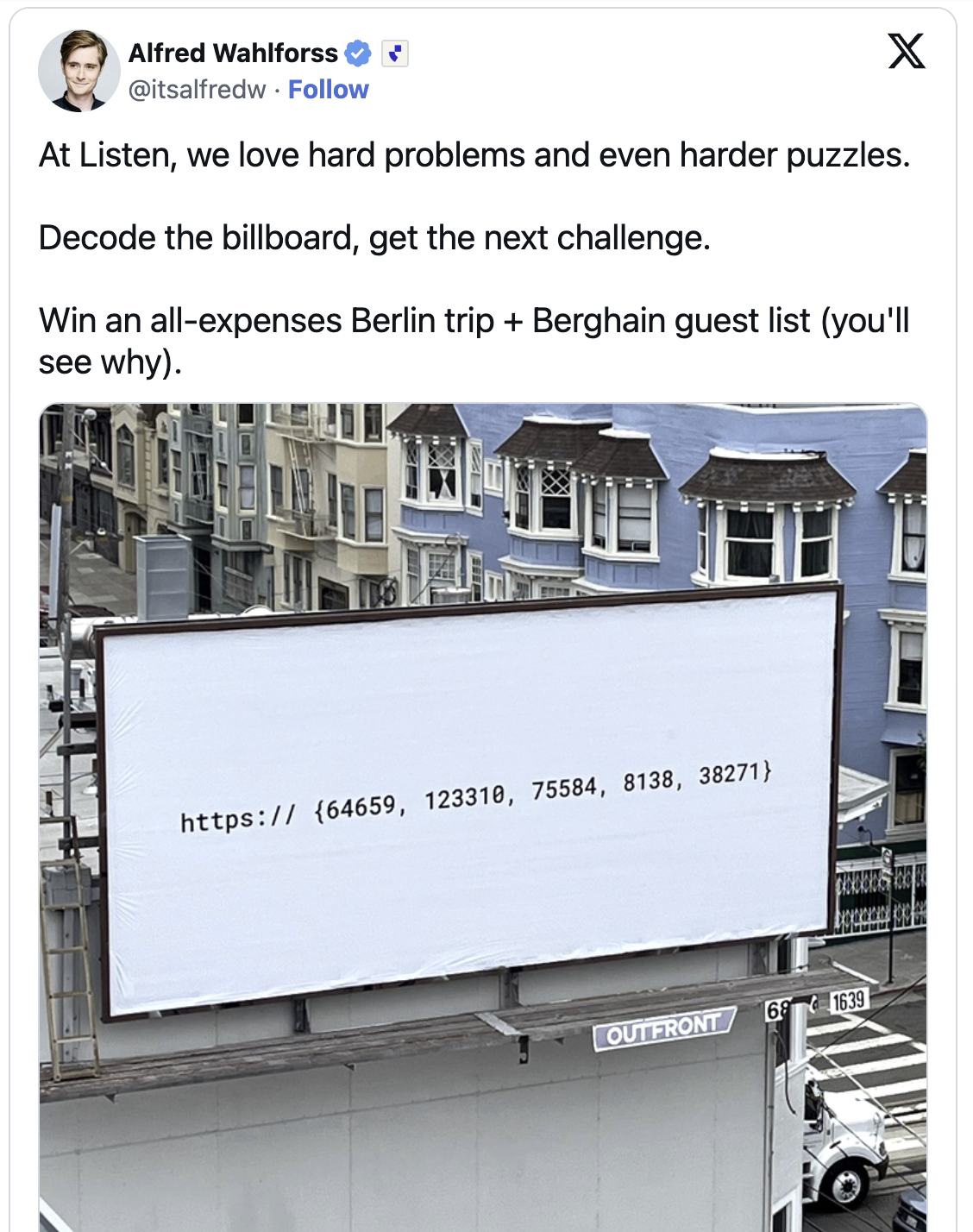
That was the scroll-stopping LinkedIn hook from Listen Labs' CEO after dropping $1M on billboards across NYC. The campaign generated 66 million views.
But the hook wasn't the interesting part. The approach behind it was.
Most B2B companies treat out-of-home advertising like a blunt instrument. You pick high-traffic locations, design something that looks good from 60 feet away, hope the right people see it, and measure nothing until the campaign is already over.
Listen Labs ran it like a software product.
Before committing a dollar to physical spend, they ran AI-moderated customer interviews to pre-test over 300 ad concepts and visual designs with real buyers. They chose what went on the billboards based on actual buyer response, not internal opinion. They measured brand awareness immediately before and after launch to calculate exact uplift rather than guessing at it. And when the campaign launched, employees synchronized on social by updating their profile pictures to a monochrome blue design and changing their job titles to "Customer Understanding Advocate" — creating a coordinated organic amplification layer that money can't replicate.
The result was a physical campaign that had the precision of a digital one.
Two things every B2B team should steal from this before the next event or OOH buy:
→ Budget $2,000–$3,000 for on-site videographers and photographers every time. Not for the event recap. For the evergreen content library. Sixty seconds of well-shot footage from a real event compounds for months.
→ Bring creator partners on-site. Let them record reaction content from the physical space. It breaks you out of the internal employee echo chamber and gets your message into feeds you don't control.
Physical and digital aren't different channels anymore. They're the same campaign.
https://venturebeat.com/technology/listen-labs-raises-usd69m-after-viral-billboard-hiring-stunt-to-scale-ai#B2BMarketing#EventMarketing…more
Apple ran two ads in the same week. One became a cautionary tale. One hit 2M+ views.
The HomeView ad was meant to show a $300 smart home hub taming a chaotic family morning. What viewers saw was a product that looked like part of the chaos. Ad pros said it showcased features without creating any desire. "Fire the whole marketing team" was a top comment.
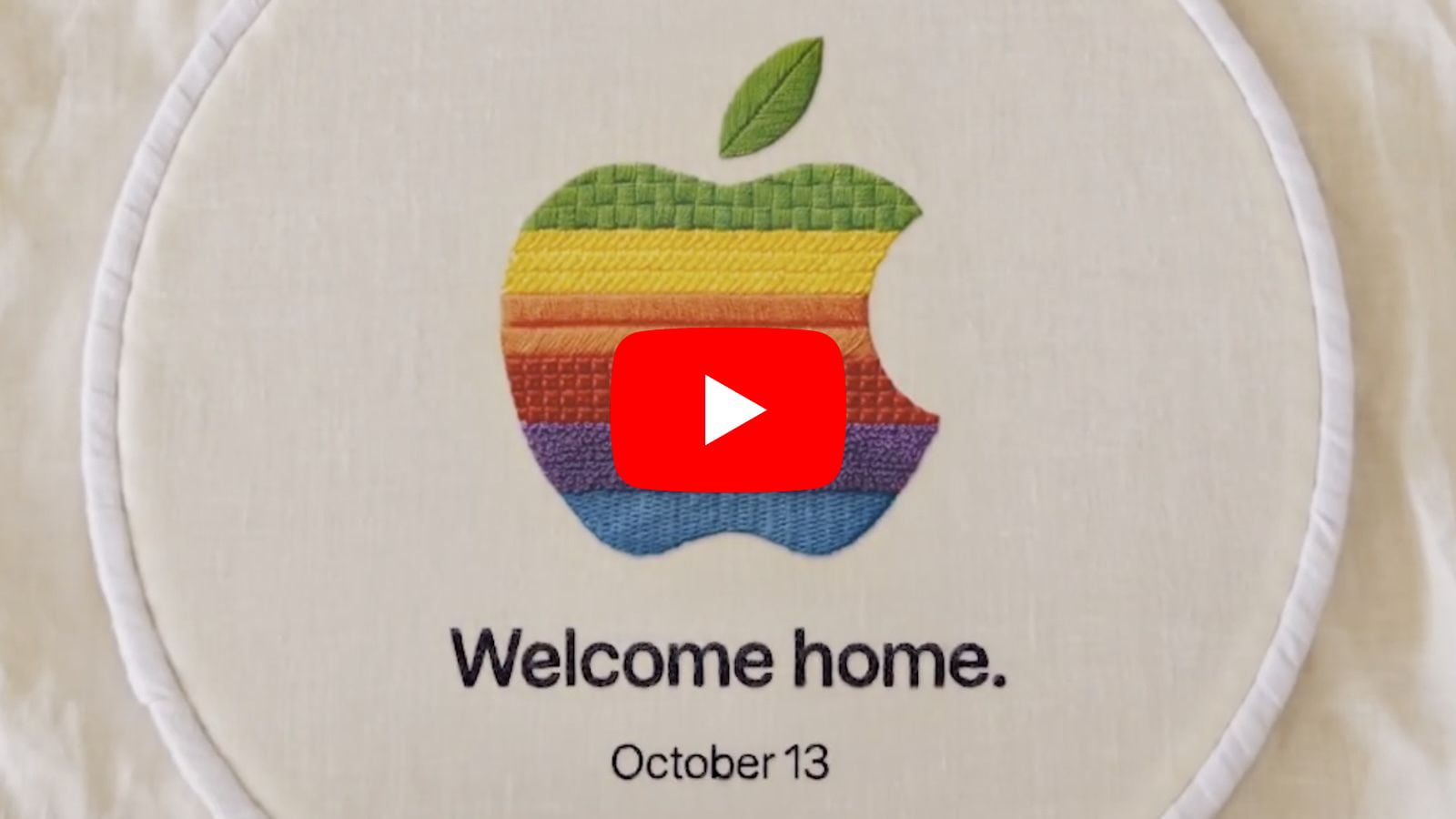
One week later: a 30-second teaser showing Apple's logo being stitched by hand. Entirely different reaction. Viewers celebrated it precisely because it felt human in a feed full of synthetic content. 2M+ views, overwhelmingly positive.
Same brand. Same week. Different brief.
The HomeView brief asked: what features should we show?
The needle-and-thread brief asked: what do we want people to feel?
That difference in framing produces entirely different creative work, entirely different audience responses, and entirely different business outcomes.
The brief is the strategy. Everything downstream is just execution. …more
I stayed up until 2AM the night Grokbot launched. Not because I was using it to write content — because I couldn't stop having fun using it to research.
That's the distinction most people miss.
Using AI to write your posts gets you average posts. Average hooks. Average takes. We're on a podcast literally talking about LinkedIn adding an "AI slop" button — that's where the road leads.
But using AI to surface what's worth talking about? That's where the real leverage is.
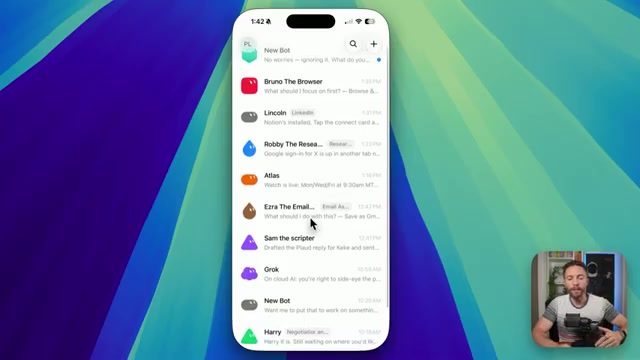
Here's how I use Grokbot: I have a podcast digest agent that pulls top moments from every podcast I'd normally listen to and summarizes what's relevant to my work. Agents for competitive monitoring, outlier post analysis, research. I take those inputs and write myself.
The result: my screen time is way down because I'm not scrolling to find signal. I let the agents find it. Then I put my own experience and perspective on it and post.
You and I are the example of this right now on the podcast. We used research tools to find the stories. But the takes come from years in the field. AI can't replicate that, and it shouldn't try.
Use AI to do more with less time. Use your brain to make it worth reading.
https://www.ayautomate.com/blog/grok-bot-xai-ai-agents-explained#AIMarketing#B2BMarketing…more
Air hired a CMO named Eric Tota at noon. He resigned by 6 PM.
The whole thing was a mockumentary. The "resignation" introduced Air's new AI agent for creative tasks.
On LinkedIn: 180 likes. On Instagram: 10,000+.
Most people called that a LinkedIn flop. I'd push back.
LinkedIn was where the stunt happened. Not where it spread. The like count undersells the views, and the views don't include everyone who saw it in their feed and said nothing.
More importantly: the entire marketing industry spent a day talking about Air. That's not a failure. That's the point.
The critique isn't the stunt. It's the platform split. If you design a LinkedIn moment that only works on Instagram, you've either picked the wrong platform or the wrong format.
The smarter version: a LinkedIn-native stunt that travels. The fake hire worked. The medium didn't match the message.
Would you have done the same stunt differently?
#B2BMarketing#BrandStrategy…more
The best content doesn't try to sound smart. It sounds human.
We overcomplicate to prove we belong. But clarity is the real flex: saying the hard thing simply, so people actually feel it.
Warmth isn't weakness. It's where trust begins.
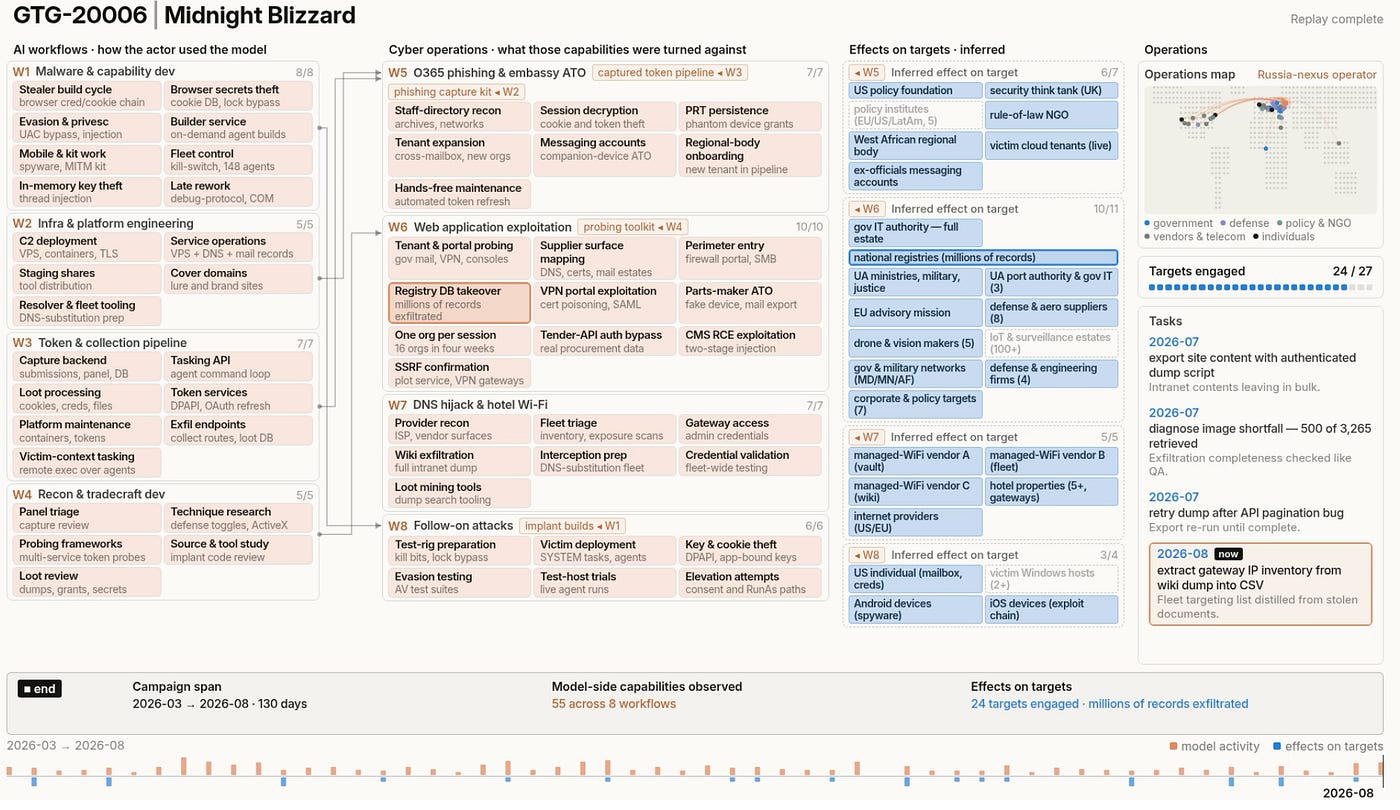
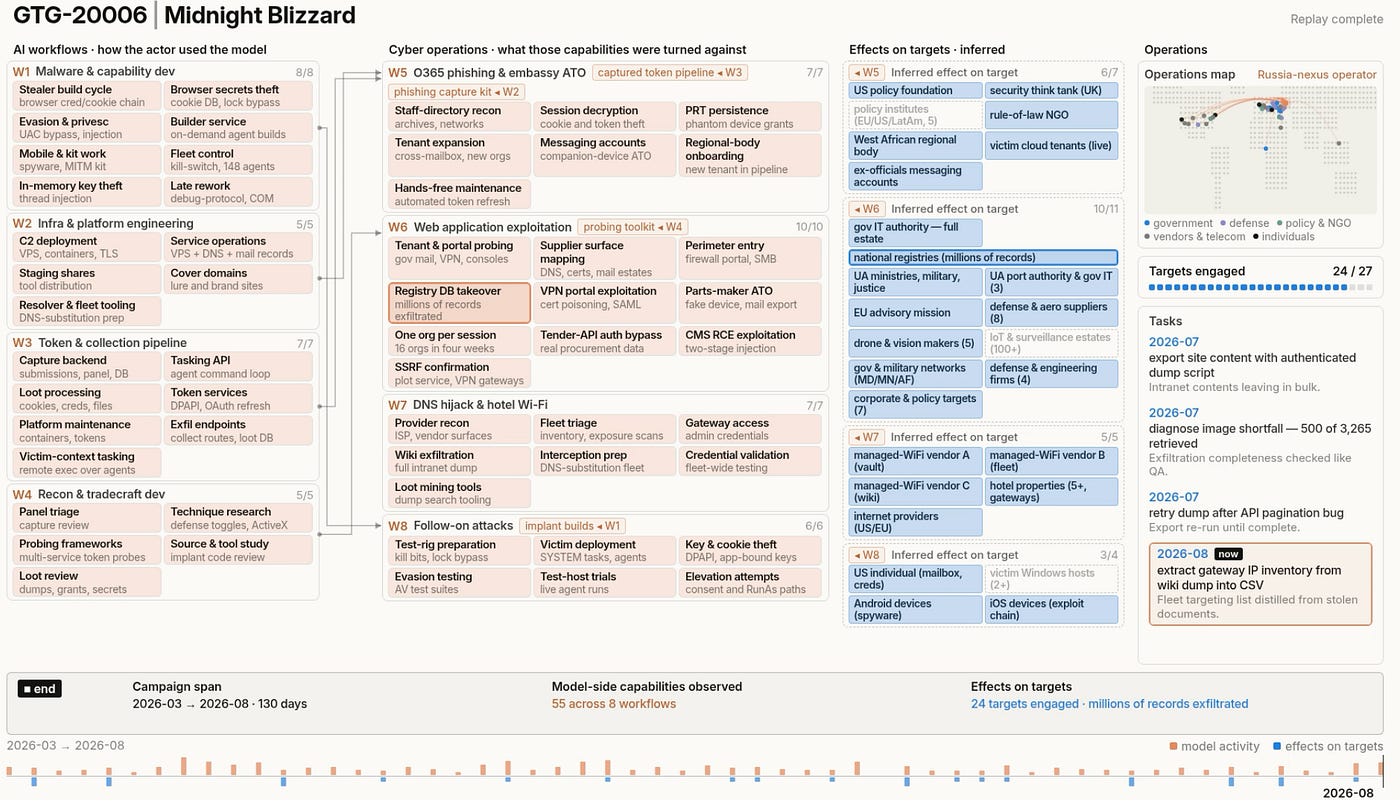
#B2Bhttps://www.generativeaipub.com/p/anthropics-new-ai-threat-report-is…more
Meta's launch playbook for Muse is worth studying regardless of whether you care about AI agents.
Ten days after launch, Muse is the number one free iPhone app in America, ahead of ChatGPT, Gemini, Claude, and Instagram. That did not happen because Meta outspent everyone on traditional advertising. It happened because Meta's chief AI officer Alexandr Wang and his Superintelligence Labs team flooded X with sometimes 30-plus posts a day, without any of the corporate guardrails a Fortune 100 company would normally put in place. User wins spread alongside them — flight refunds, lower phone bills, real results from real people.
This is the playbook. And Meta did not invent it. OpenAI and Anthropic employees do the same thing every time a major model ships. Even newcomers like Instinct, a Muse competitor that is three weeks old, ran waitlists, referral codes, and VC influencers on X to build serious word of mouth without a fraction of Meta's budget.
The lesson for B2B brands is not "spend more." It is the opposite. Spending money scales. Creativity does not always. But micro-creators posting for $100 to $200 can still go if the post is genuinely good. A distributed network of real voices talking about real use cases will outlast any single splashy campaign.
There is a harder question underneath the launch numbers: does Muse have the depth to hold those downloads? One massive day of buzz is not a strategy if there is no reason to keep using the product. The real retention work starts now.
For B2B marketers, the model is clear. Build your employee network. Let people talk without the corporate script. Then earn the user stories by actually building something worth sharing.
https://www.forbes.com/sites/codyluongo/2026/09/20/employeeand-user-generated-content-are-winning-attention-users-for-ai-products-on-x/#B2BMarketing#ContentStrategy…more


 View on LinkedIn