

Jenny Huang
Marketing and branding consultant with over 20 years of experience helping purpose-driven and socially responsible companies launch their products and build their brands

'/%3E%3Cpath fill='%23fff' d='M12 7.3A4.7 4.7 0 1 0 16.7 12 4.7 4.7 0 0 0 12 7.3Zm0 7.8A3.1 3.1 0 1 1 15.1 12 3.1 3.1 0 0 1 12 15.1Zm5-8a1.1 1.1 0 1 0 1.1 1.1A1.1 1.1 0 0 0 17 7.1Zm-5 1.5c-1.5 0-1.7 0-2.3.1a3.8 3.8 0 0 0-1.3.2 2.2 2.2 0 0 0-.8.5 2.2 2.2 0 0 0-.5.8 3.8 3.8 0 0 0-.2 1.3c-.1.6-.1.8-.1 2.3s0 1.7.1 2.3a3.8 3.8 0 0 0 .2 1.3 2.2 2.2 0 0 0 .5.8 2.2 2.2 0 0 0 .8.5 3.8 3.8 0 0 0 1.3.2c.6.1.8.1 2.3.1s1.7 0 2.3-.1a3.8 3.8 0 0 0 1.3-.2 2.5 2.5 0 0 0 1.3-1.3 3.8 3.8 0 0 0 .2-1.3c.1-.6.1-.8.1-2.3s0-1.7-.1-2.3a3.8 3.8 0 0 0-.2-1.3 2.2 2.2 0 0 0-.5-.8 2.2 2.2 0 0 0-.8-.5 3.8 3.8 0 0 0-1.3-.2c-.6-.1-.8-.1-2.3-.1Zm0-1.6c1.5 0 1.7 0 2.4.1a5.5 5.5 0 0 1 1.8.3 3.8 3.8 0 0 1 2.2 2.2 5.5 5.5 0 0 1 .3 1.8c.1.7.1.9.1 2.4s0 1.7-.1 2.4a5.5 5.5 0 0 1-.3 1.8 3.8 3.8 0 0 1-2.2 2.2 5.5 5.5 0 0 1-1.8.3c-.7.1-.9.1-2.4.1s-1.7 0-2.4-.1a5.5 5.5 0 0 1-1.8-.3 3.8 3.8 0 0 1-2.2-2.2 5.5 5.5 0 0 1-.3-1.8C4 13.7 4 13.5 4 12s0-1.7.1-2.4a5.5 5.5 0 0 1 .3-1.8 3.8 3.8 0 0 1 2.2-2.2 5.5 5.5 0 0 1 1.8-.3C10.3 5 10.5 5 12 5Z'/%3E%3C/svg%3E)
Jenny Huang is a marketing and branding consultant with over 20 years of experience helping purpose-driven and socially responsible companies launch products successfully and build stronger brands. She brings a collaborative, empathetic approach that combines common-sense marketing expertise with creativity and curiosity. Her work focuses on guiding companies through their product- brand-building journey with practical, focused strategies that integrate both offline and online marketing efforts.
Human-AI Collaboration
Human Judgment
Content Strategy
Networking
Small Business Marketing
Word Of Mouth
Trust Building
AI Delegation
Branding strategy
Marketing strategy
Product launch support
Offline and online marketing integration
J
Jenny Huang
Marketing and branding consultant with over 20 years of experience helping purpose-driven and socially responsible companies launch their products and build their brands
Small businesses are tired of posting into the void.
Lately, I keep hearing it from clients: their organic social media isn't converting. I'm hearing it from creators too, including an Instagram influencer facing the same challenge.
The numbers back them up.
First, people are tired. Not of your brand, but because of digital fatigue. In a June 2026 Incogni survey, 55% of Americans post less than they did five years ago, and 51% say social media is starting to feel like work.
Second, reach has become something you rent, not something you own. Facebook business pages now reach about 1.25% of their followers per post organically (Socialinsider, 2026).
Third, the algorithm isn't against you. It's indifferent. Meta says its systems rank posts by how likely someone is to engage, based on what they've engaged with before. Your story doesn't factor in unless they already want it.
So where does trust travel now? Back to person-to-person.
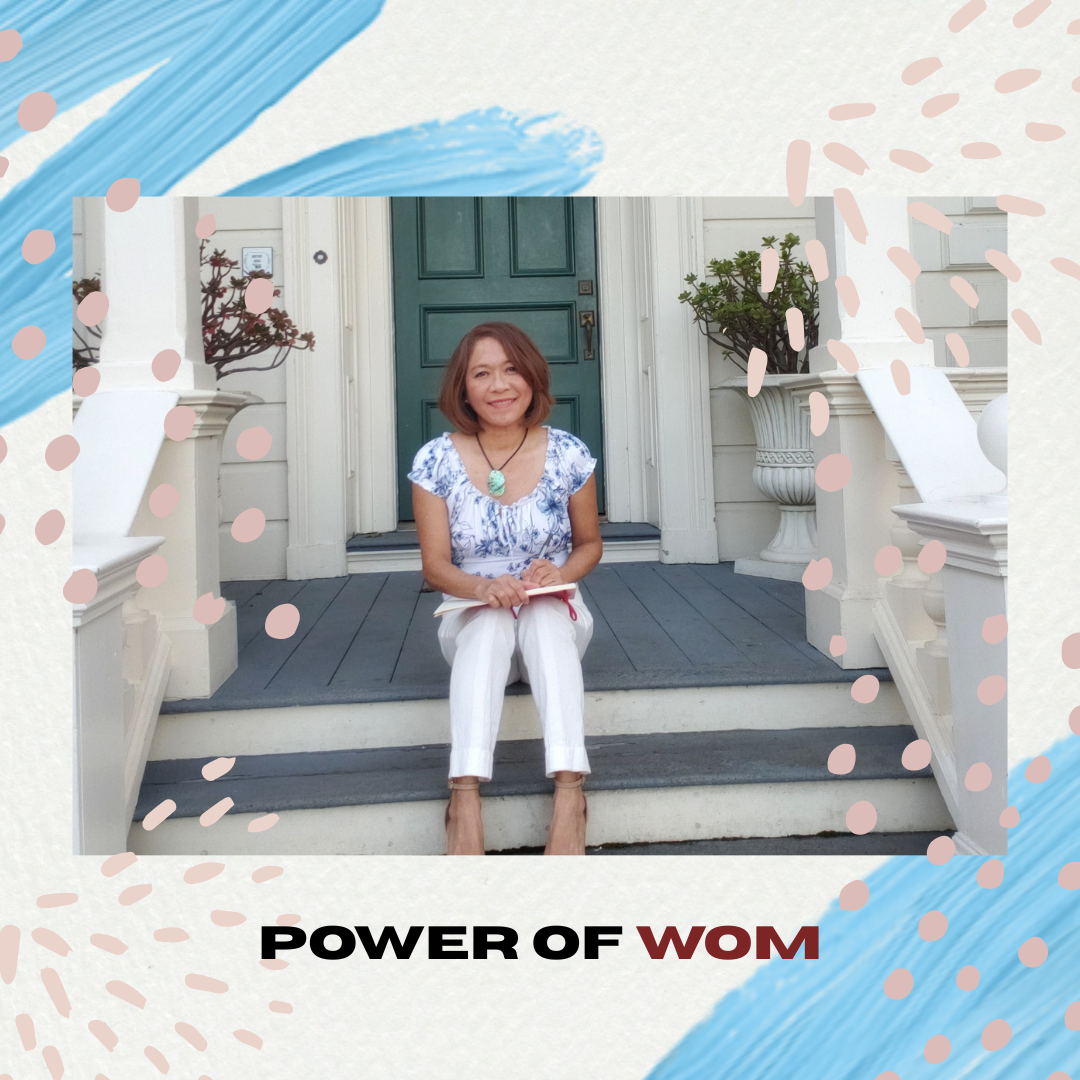
That's why two of my clients are going back to the most tried-and-true method of marketing: word of mouth (WOM). Neither business has scaled yet. They're building on real relationships, starting with their very first customer. I backed their plan right away, and encouraged them to add partnership co-marketing to the mix.
This doesn't mean abandoning social. It means being honest about what each channel can carry, and building the kind of trust that people want to repeat out loud.
Here's what makes WOM work:
→ It's free, and it multiplies with efforts. The return is trust.
→ Find your sneezers. Seth Godin's name for the people who can't help but tell others what they love.
→ Give them a story worth repeating. People pass along stories, not products.
→ Engage them with care. Ask their opinion. A handwritten thank-you note goes a long way.
→ Let them in. When people feel ownership and valued, they speak up with pride.
→ Listen. Their words become your messaging.
Next: how partnership complements word of mouth.
Who's the best sneezer for your business? Tag them below.
Full blog and sources in the comments.
#WordOfMouthMarketing #AnalogMarketing #SmallBusinessMarketing #CustomerAdvocacy #PurposeDrivenBrands …more
 View on LinkedIn
Also on
Told 4 times, Nov 9, 2026 – Nov 16, 2026
· Bluesky · Open
Facebook business pages reach about 1.25% of their followers per post (Socialinsider). No wonder two of my clients are going back to word of mouth. People don't pass along products. They pass along stories. Give yours one worth repeating. #WordOfMouth #SmallBusiness
· Instagram · Open
We've covered word of mouth. We've covered partnership. Here's where it all comes together.
These two tools can show you who your people really are. Once you know that, social media and AI stop being a guessing game. You build profiles from real customers, then find more people just like them.
Analog first. Digital second.
In a crowded digital world, a real conversation is a breath of fresh air.
If your posts have stopped working and you've been feeling that fatigue too, you're not imagining it, and you're not behind.
I help purpose-driven founders rethink exactly this shift. Send me a message or drop a comment below. I read every one, and I'd love to get to know your business.
· LinkedIn · Open
Over my last two posts, I've made the case for two analog tools: word of mouth and partnership marketing.
Here's why they belong at the heart of an early-stage marketing strategy. They teach you who your people are, faster and more honestly than any dashboard.
And that's exactly what makes them the bridge to digital.
Remember that 1.25% reach? That's why you don't start with the feed. You start with the people already talking about you, then use social to find more of them.
Once you've found your customer tribe, you know the formula that has attracted them. Carry that formula onto social media:
→ Build customer profiles based on real people, not guesses.
→ Use AI to find similar businesses and audiences who want what you offer.
→ Decide what results count as success before you spend on ads.
With a real tribe in hand, AI and social media finally have clear direction.
So go do your analog marketing. In a crowded digital world, a real conversation stands out.
If your posts have stopped working and you've been feeling that fatigue too, you're not imagining it, and you're not behind.
I help purpose-driven founders rethink exactly this shift. If it's time to talk, send me a message or drop a comment below. I read every one.
#AnalogMarketing #WordOfMouthMarketing #SmallBusinessMarketing #AIForSmallBusiness #EntrepreneurJourney
J
Jenny Huang
Marketing and branding consultant with over 20 years of experience helping purpose-driven and socially responsible companies launch their products and build their brands
In my last post, I shared why organic reach can't carry a small business on its own, and why word of mouth is making a comeback. Your customers become your storytellers.
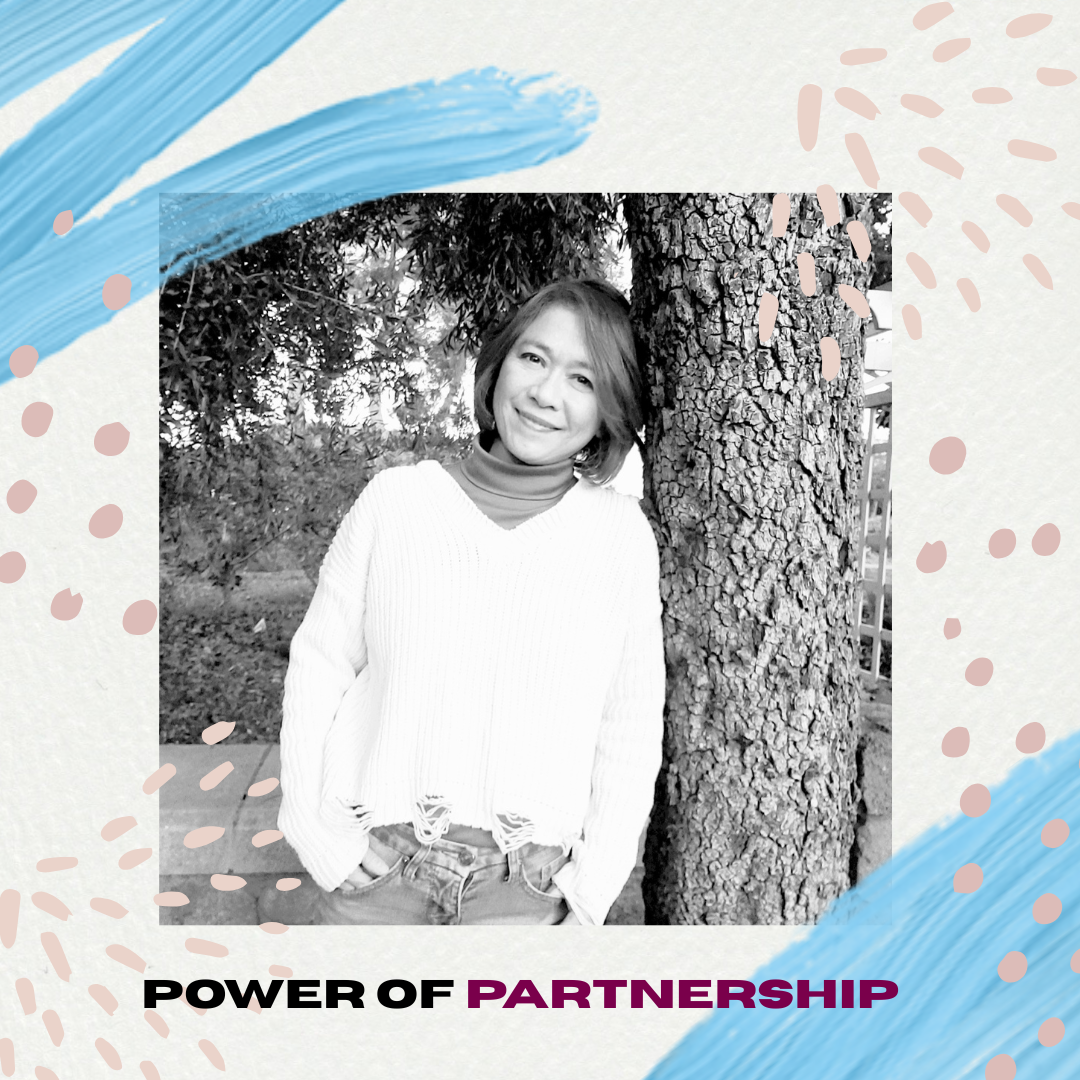
Now let's talk about the power of partnership marketing.
Two businesses. Two audiences each has earned. One shared goal. A co-hosted workshop. A bundled offer. A feature in each other's newsletters. No ad spend, and twice the reach.
Even though partnership marketing is free, good partnerships require:
→ A shared vision. A yoga studio and a local juice bar. A sustainability consultant and a B Corp accountant. Do you care about the same customer outcome?
→ Trust and appreciation. You lend your reputation, and so does your partner. Say thank you often.
→ Deeper relationship building. Partnerships rarely come from a cold pitch. They grow from coffee chats and showing up before there's anything to gain.
→ High effort from both sides. Agree upfront on who does what and what success looks like.
→ Start small. One joint project first. A small win builds momentum for the next.
Which business would you love to partner with, and why?
Final post coming up: how to carry all of this from analog to digital.
#PartnershipMarketing #WordOfMouthMarketing #SmallBusinessMarketing #RelationshipMarketing #PurposeDrivenBrands …more
 View on LinkedIn
Also on
Told 2 times, Nov 11, 2026 – Nov 13, 2026
· Bluesky · Open
Last post: word of mouth. Today: its natural partner. Partnership marketing is two businesses sharing audiences they've each earned. No ad spend, twice the reach. Start small with one joint project, and let a small win build momentum. #PartnershipMarketing #SmallBusiness
J
Jenny Huang
Marketing and branding consultant with over 20 years of experience helping purpose-driven and socially responsible companies launch their products and build their brands
Last week I shared Tip #3 from my early process to help us navigate what we want to own as humans, and what we can work together with AI to do our best work.
This week, I'm looking at how to keep human values relevant and grow together with AI.
The human values are values that we bring for being humans -- they don't stay sharp with less practice, and can be strengthened when we become more aware of what they are.
Tip #4: Creating and Amplifying Human Values to Grow Together with AI
Here's a mindset that we need to continue to practice:
* Continue practicing your human values; values that go unused don't stay sharp.
* Like any skill, they need growth and repetitions, especially human judgement and human intuition, which can become rusty if we don't continue to exercise and use those muscles.
A few ways to keep building:
💥Practice human judgement calls on purpose: Before reaching for an AI draft, sit with the ambiguity for a few minutes first. Make the call yourself, then compare what you come up with vs. what AI has assisted.
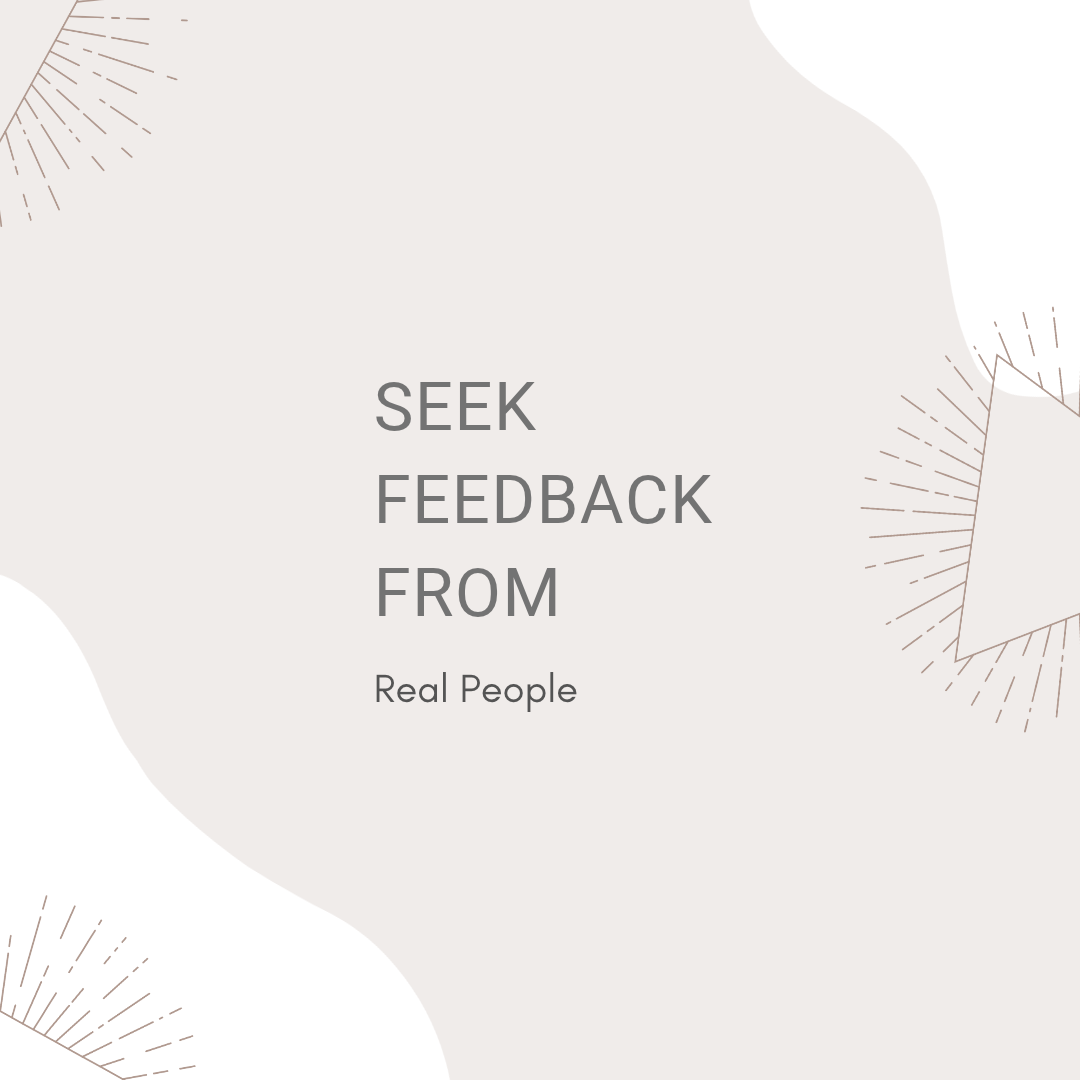
💥Seek feedback from real people: Not just engagement metrics. Metrics tell you what worked. People tell you why, and that "why" is rooted in human emotions.
💥Stay curious about the "why": It's easy to see that something resonated. It's more valuable to understand what made it resonate, which usually traces back to human perspectives you hadn't considered.
💥Mentor someone: Teaching a skill is one of the fastest ways to keep your skills and values fresh and sharpened.
💥Revisit your non-negotiables list regularly: As AI capabilities shift, what you choose to own might shift too. Don't let that list go stale.
One thing that Seth Godin reminded us is that the "more human you can be, the harder you are to be replicated."
Having a healthy mindset that embrace technology, knowing your superpowers and constraints will keep you at pace and stay relevant in this modern world.
Next week: the key takeaways to keep you grounded as AI keeps evolving -- the final piece of this series.
Which of these do you already practice, and which one you might need to build back up a bit?
Love to hear your thoughts in comments below. …more

 View on LinkedIn
Also on
Told 2 times, Oct 21, 2026
· Bluesky · Open
A few ways to keep building them:
* Practice judgement calls on purpose
* Seek feedback from real people, not just metrics
* Stay curious about the "why"
* Mentor someone
* Revisit your non-negotiables list regularly with intentions
J
Jenny Huang
Marketing and branding consultant with over 20 years of experience helping purpose-driven and socially responsible companies launch their products and build their brands
Seth Godin said it best: "the more human you can be, the harder you are to be replicated."
Next week: the key takeaways to close out this series. …more
J
Jenny Huang
Marketing and branding consultant with over 20 years of experience helping purpose-driven and socially responsible companies launch their products and build their brands
Amplifying Human Values in the Age of AI
Recently, I've been doing more incremental training on Claude as a marketer. While I am learning to test and re-test if Claude’s AI approach can help me be more efficient in my workshop training and writing projects, I also learn that it takes quite a bit of time and patience to train AI to think like me.
As I'm going through my AI training, I pause from time to time to reflect on my philosophy about how we should integrate AI into our daily work and personal tasks.
I have always been a believer in keeping skills and superpowers that I own and not outsource them because they are non-negotiables – something that I continue to see as values that I bring to do my best work.
My values are my own experiences, struggles, intuition, perspectives, judgement, and stories that come to shape how I see things, hear things, learn things, feel things, analyze things, and connect with others.
While I'm getting better at working together with AI to do great work, I've been reminded by an interview clip of Seth Godin, who raised the message about creating values in our human work.
Godin is an American author, entrepreneur, and marketing expert known for changing how people think about modern marketing, leadership, and work. I've been following Godin because of his worldly wisdom and interesting things he said that wake people up.
What Godin said in that interview clip woke me up; it landed with me because I think we all need to be more aware and conscious of our superpowers, what we are good at that comes easily, and what we love to do that we don’t want to have someone else do it for us.
This thinking is what has prompted me to develop an early process to help us continue strengthening the values in our human work as technology evolves over time.
My intention is to help us start recognizing what we want to own as humans, and what we can work with AI together to do our best work.
Keep an eye on the next few posts where I will be sharing out my early process that you can use as a framework to work alongside with AI.
.
.
. …more
View on LinkedIn
Also on
Told 6 times, Sep 23, 2026 – Oct 14, 2026
· Bluesky · Open
Been training Claude to think more like me lately in my workshops, my writing, my client work.
A Seth Godin clip on creating values in our human work stopped me mid-scroll and led me to a bigger question: what am I not willing to hand off, no matter how good AI gets?
· Bluesky · Open
None of this is about resisting technology. It's about protecting what depends on being human in the first place and being honest about what that is for you.
More on this next week: what AI is actually good at.
· Bluesky · Open
Last week: Tip #1 — the human values I'm not handing off to AI, no matter what.
This week, Tip #2 — the other half of the question: where AI actually earns its place. 🧵
· Bluesky · Open
Just because AI *can* do something doesn't mean it *should*. Trust is built in the small moments that are easiest to automate away. Protect those on purpose.
Next Tip: Keep values you bring as humans sharp as AI evolves
· Bluesky · Open
Before you blend human + AI strengths, you need to know what you're not willing to hand off, no matter how good the tech gets. For me, that list includes:
* Judgement under ambiguity
* Empathy built over time
* Ethical accountability
* Intuition in the room
* Perspective from lived experience
J
Jenny Huang
Marketing and branding consultant with over 20 years of experience helping purpose-driven and socially responsible companies launch their products and build their brands
Last week, I shared Tip #1 from my early process to help us navigate what we want to own as humans, and what we can work together with AI to do our best work.
This week, I'm looking from a different viewpoint point: asking where AI has actually earned a place in my workflow.
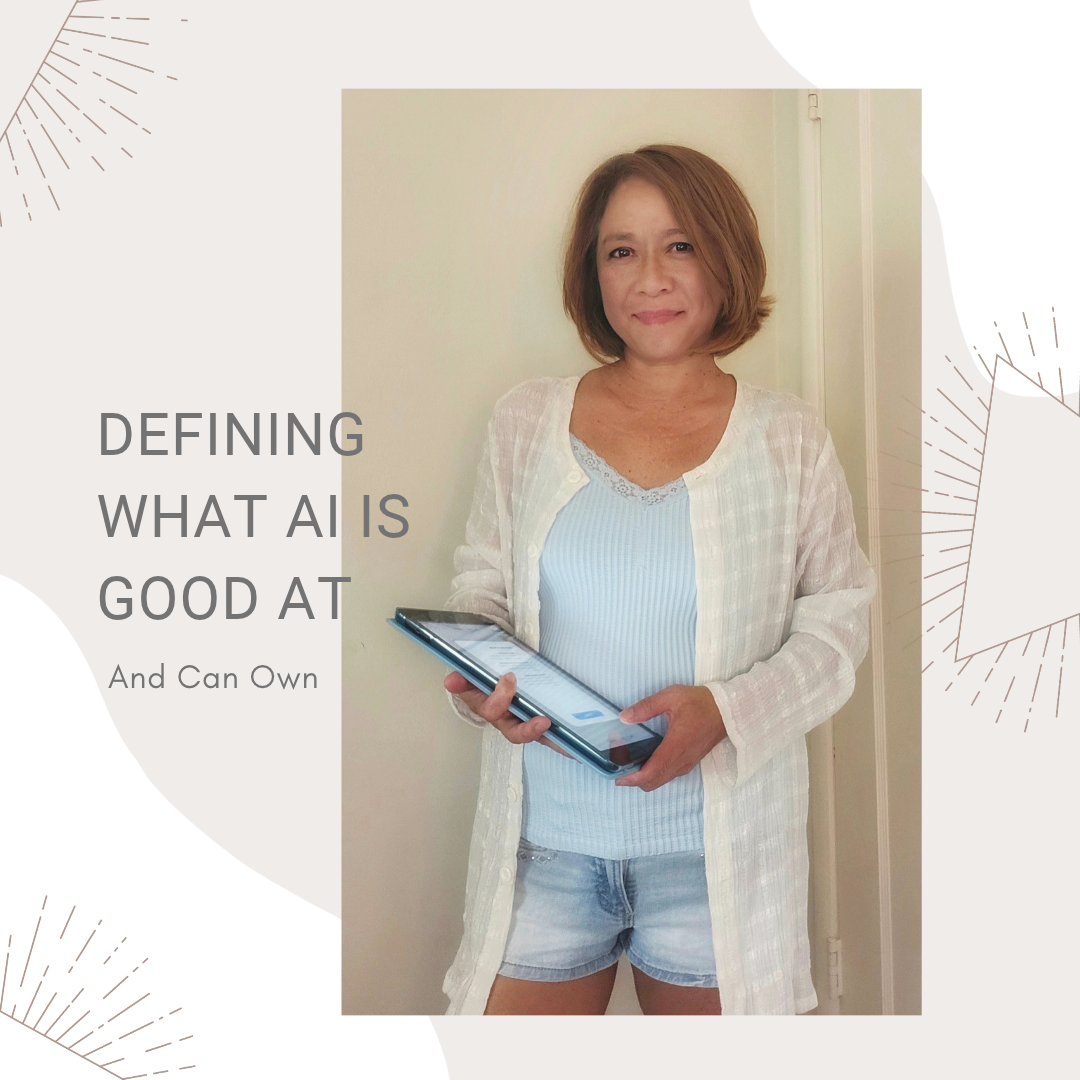
Tip #2: Defining What AI is Good at and Can Own
Identifying tasks for AI to do is not about cutting corners.
It's about freeing up your time for the work that only you can do and love to do,
because doing them will give you energy, and you are delivering values to your clients.
For example, AI is good at:
A. Pattern recognition across large data sets: spotting trends a person would need weeks to find manually.
B. Speed on first drafts and variations: giving you ten headline options in the time it takes to write one.
C. Consistency at scale: keeping tone, formatting, and compliance steady across hundreds of assets.
D. Research synthesis: pulling together sources and summarizing them quickly and clearly.
E. Removing repetitive admin: freeing up hours that used to go to formatting, scheduling, or basic reporting.
I have delegated AI to do some of the items above, especially items A and D, and I do the final checking to make sure the output makes sense to me and to my clients.
Next week: what it looks like to blend human values and AI strengths to do your best work.
What are some tasks that you’ve delegated to AI, and they’ve brought huge productivity to your workflow?
Love to hear them in comments below. …more


 View on LinkedIn
Also on
Told 3 times, Oct 6, 2026 – Oct 14, 2026
· Bluesky · Open
It's not a handoff, it's a relay:
* Strategy & positioning: human leads
* Drafting & variations: AI assists
* Client relationship moments: human only
Same race, different legs.
· Bluesky · Open
Freeing up time for AI to own isn't about cutting corners. It's about protecting your energy for the work only you can do.
Next Tip: what it looks like to actually blend the two.
J
Jenny Huang
Marketing and branding consultant with over 20 years of experience helping purpose-driven and socially responsible companies launch their products and build their brands
Last Tip #2: what AI is actually good at.
Next, Tip #3: Putting the two pieces together: when human leads, and when AI can step in to assist. …more
Channel names and logos are trademarks of their respective owners.