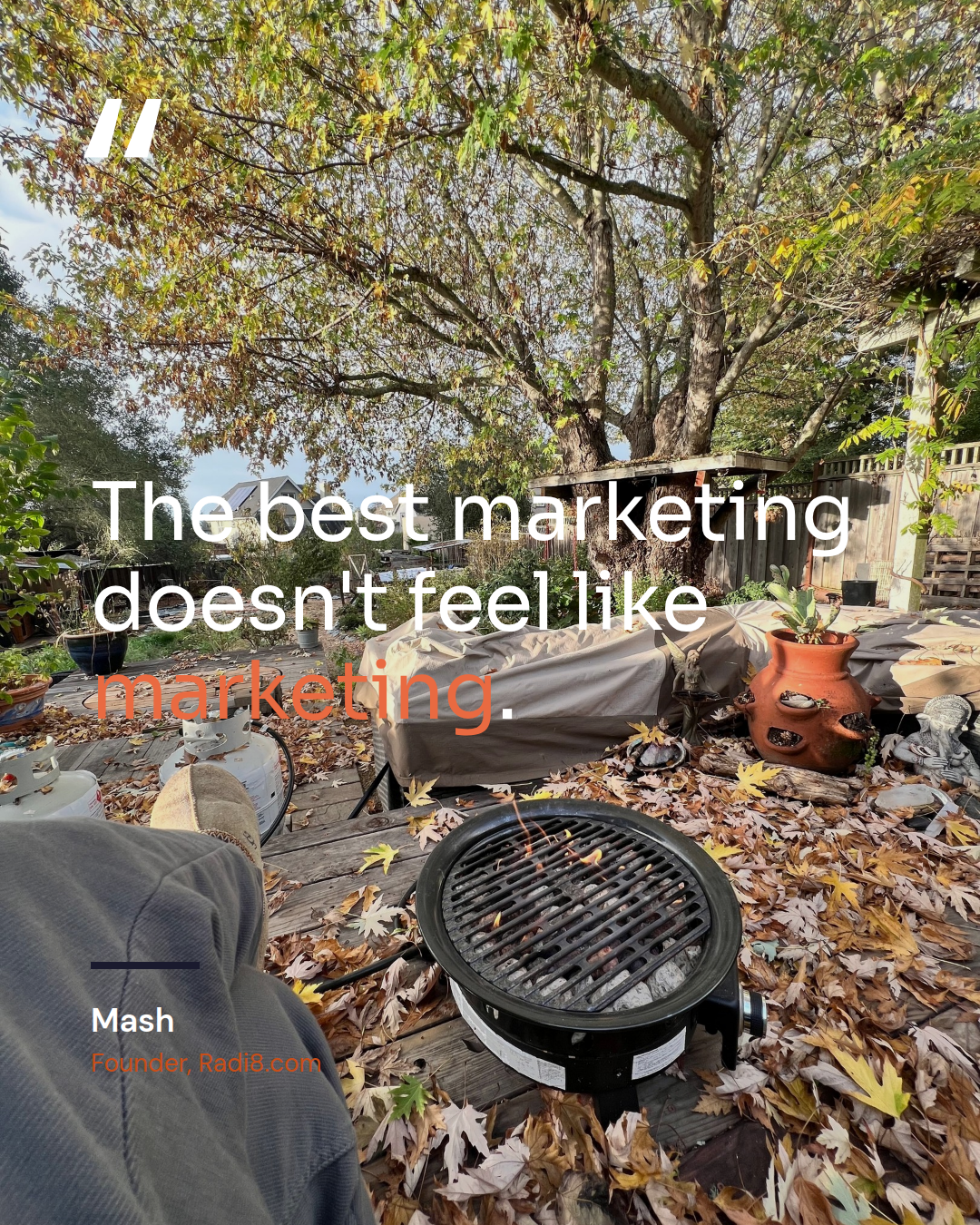
I’ve spent the better part of 25 years trying to understand two things: which problems are worth solving, and what is the simplest way to solve them. That pursuit has led me to start companies, build products, teach entrepreneurship, coach hundreds of founders, and participate in four startup exits—one as a founder and three as an advisor.
Along the way, I noticed a pattern. Founders are usually very good at solving problems. The trouble is that we’re often solving the wrong ones. What looks like a sales problem might really be positioning. A marketing problem might begin with not understanding the customer. An execution problem might simply be too many priorities competing for attention.
I came to think of this as finding the problem under the problem. When you find it, complicated decisions get simpler, teams align, and a surprising amount of work disappears.
Today I coach founders and startup teams around the world to do exactly that. Sometimes it’s a team scaling a company worth billions. Sometimes it’s one person turning what they know into a consulting business. The scale changes, but the work is remarkably similar.
Find the problem worth solving. Find the simplest way through it. Then get on with the work that matters.
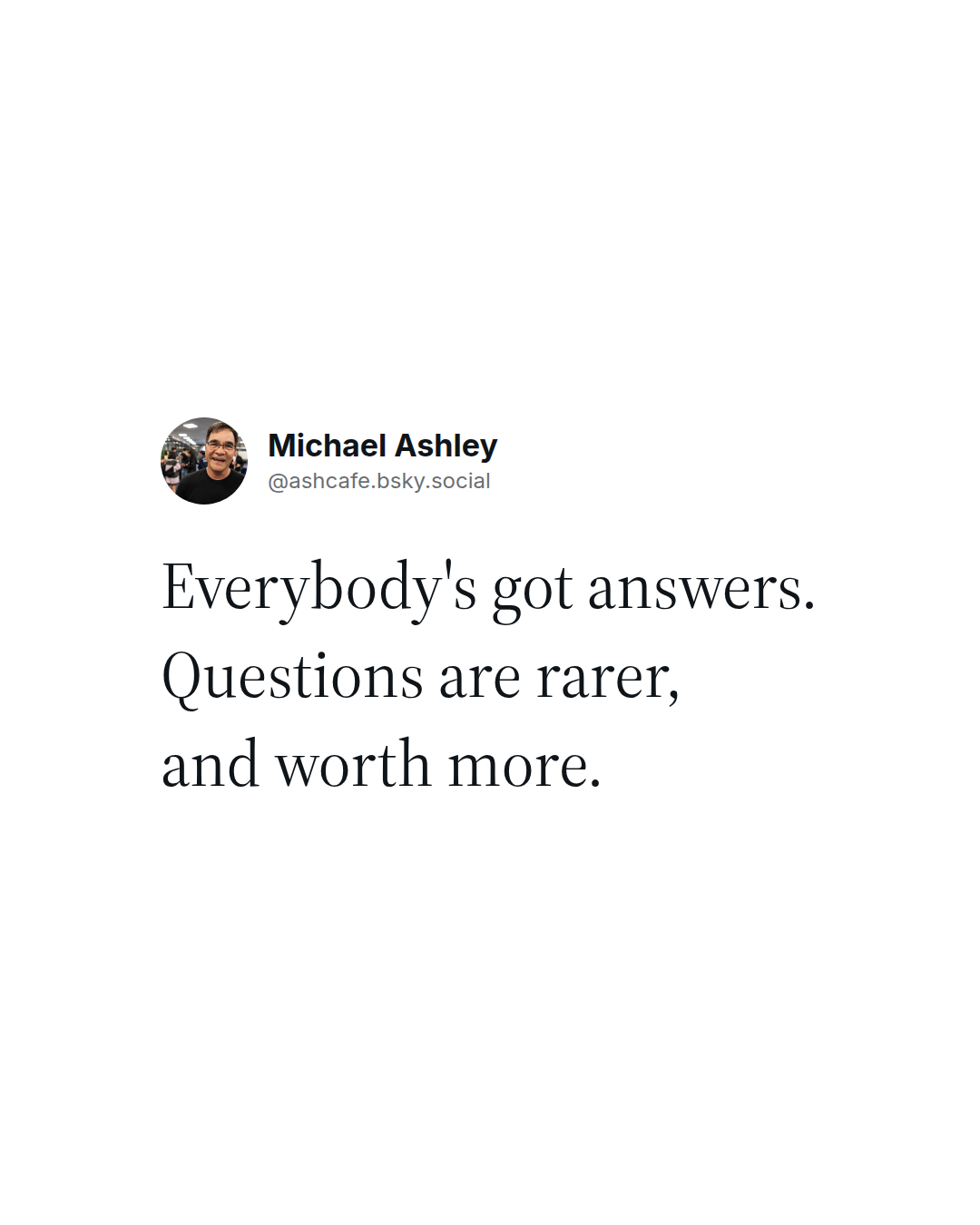
Tom Shen's old boss gave him a rule he built teams around.
Everybody's got answers. Questions are rarer, and worth more.
I still catch myself reaching for the answer first... Tom on how the rule shaped his culture: https://youtu.be/M58Dnn2UAlM?is=hzrAl7LB9vuXVJ7U…more
A teacher thought I was dealing drugs from my locker. It was Hubba Bubba!
My mom's math... 25 cents a pack, 25 cents a piece.
Entrepreneurship is finding where you can add value and bringing it closer to the people who want it.
How to turn what lives in your head into an offer that compounds... start by looking back at the work you've already done.
I did the same work informally for two decades before I named it. Coaching, the newest part of my practice, is what finally gave it a name... and it took me a long time to notice.
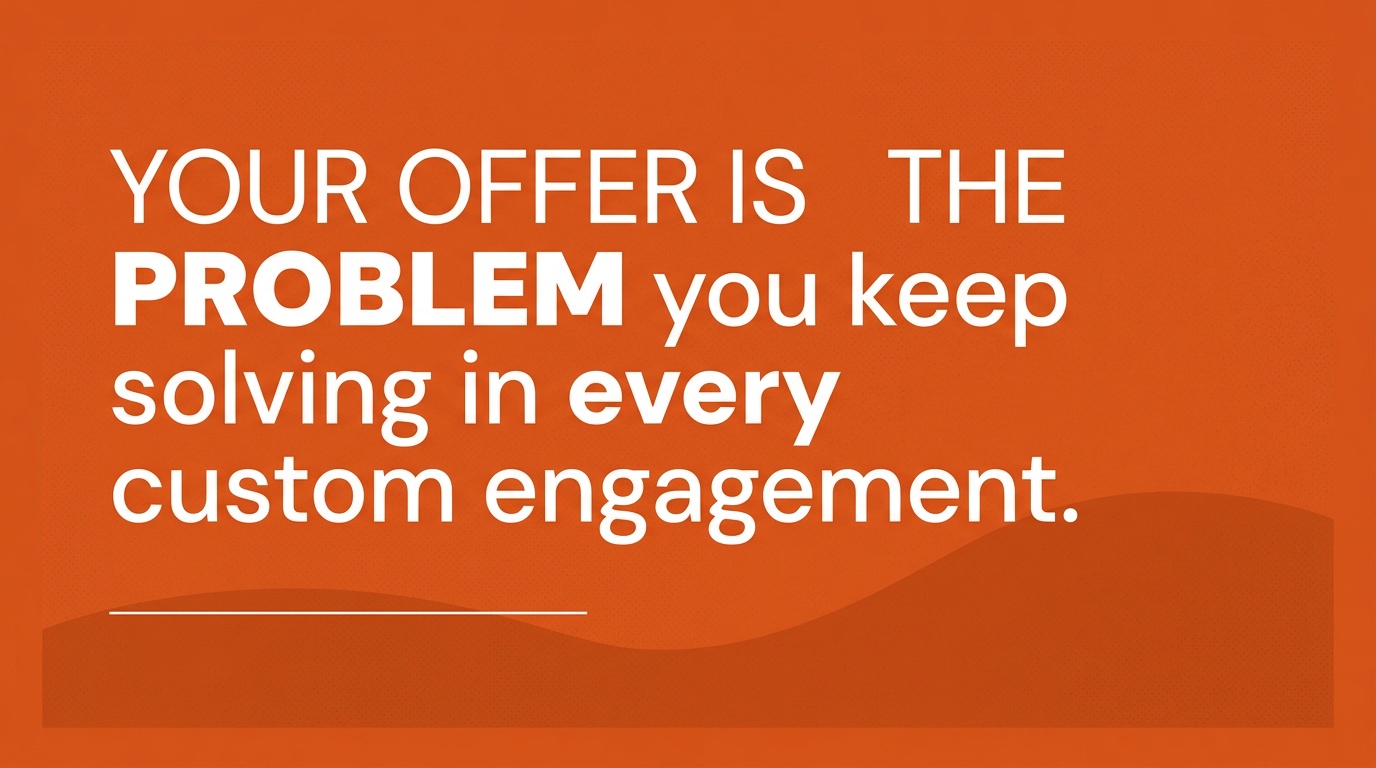
Your offer is the problem you keep solving in every custom engagement.
Coaches and consultants, pull up your last handful of client engagements. Ignore what each one was called when it started, the requests usually look different. Ask what problem you ended up solving underneath. If the same one keeps showing up, that might be your offer.
Then name it, in words a client would actually use. And give it the same shape every time... the same first question, the same steps, the same thing they walk away with.
That shape is what lets each engagement teach the next one something.
Curious what yours might be? Bring a few past engagements to a 30-minute call and we'll look for it together. The link to book is in the first comment.
#IndependentConsultant#Coaching#GoingIndependent#Positioning…more
It took me two decades to name what I do with founders.
The problem under the problem. Once named, it became my platform... how I advise, what I write, what I teach.
Radi8, what I'm building, keeps it in view: https://www.radi8.com
My LinkedIn impressions went up 185% in 90 days.
Impressions on their own don't pay anyone. I care about that number for a different reason... it tells me the work is visible.
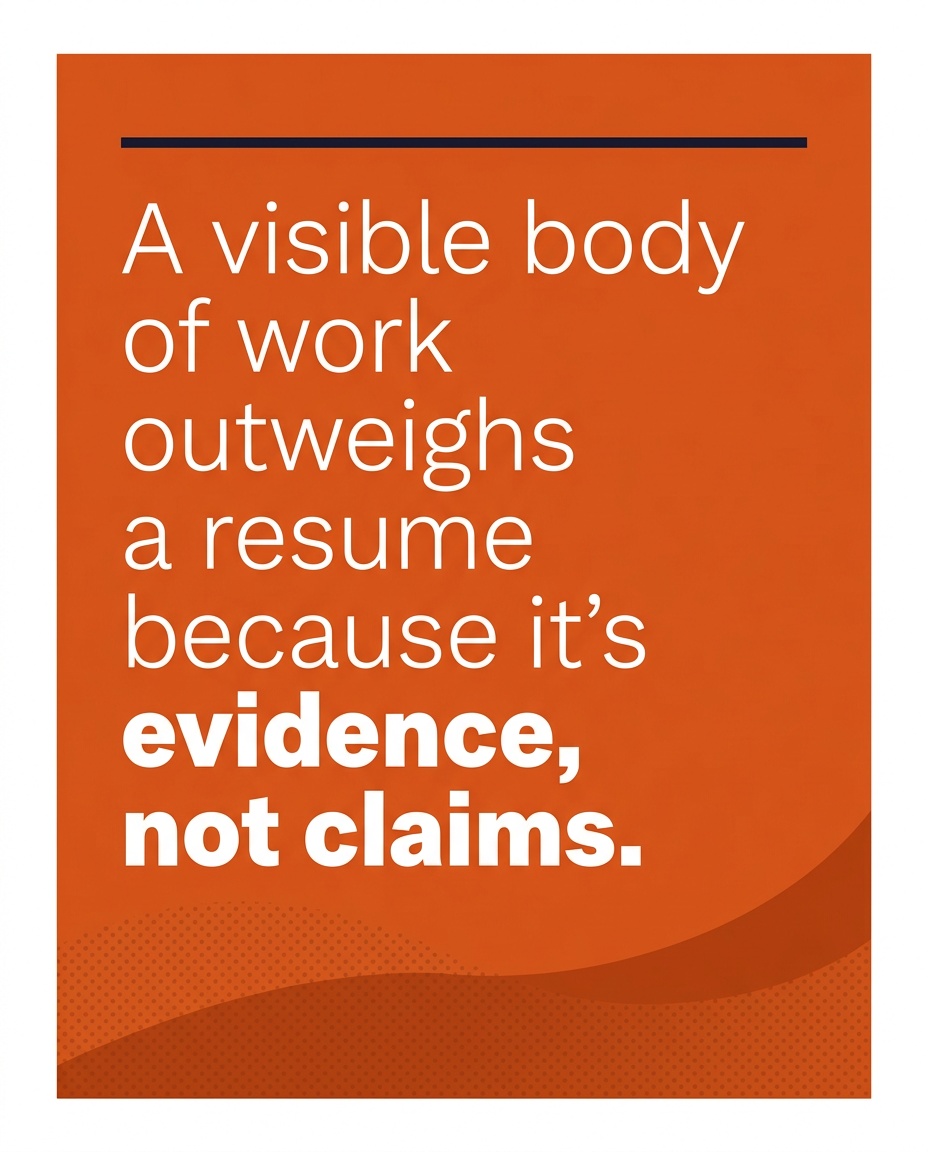
Your brand is your promise. A visible body of work outweighs a resume because it's evidence, not claims.
That matters most when you're making a big move. Launch a new product, or take an established company into the US, and the reputation you built at home mostly stays there. The customers and partners you need next might never have heard of you. Many of them will look for evidence of how you think before they take the meeting.
So give them somewhere to find it. A real website, a steady body of work, something that shows how you think about the problems they have.
Start with the simplest version you can actually do... then do it.
If you're making a move like that, tell me about it. 30 minutes to see whether I'm the right person to help.
#Founders#MarketExpansion#GoToMarket…more
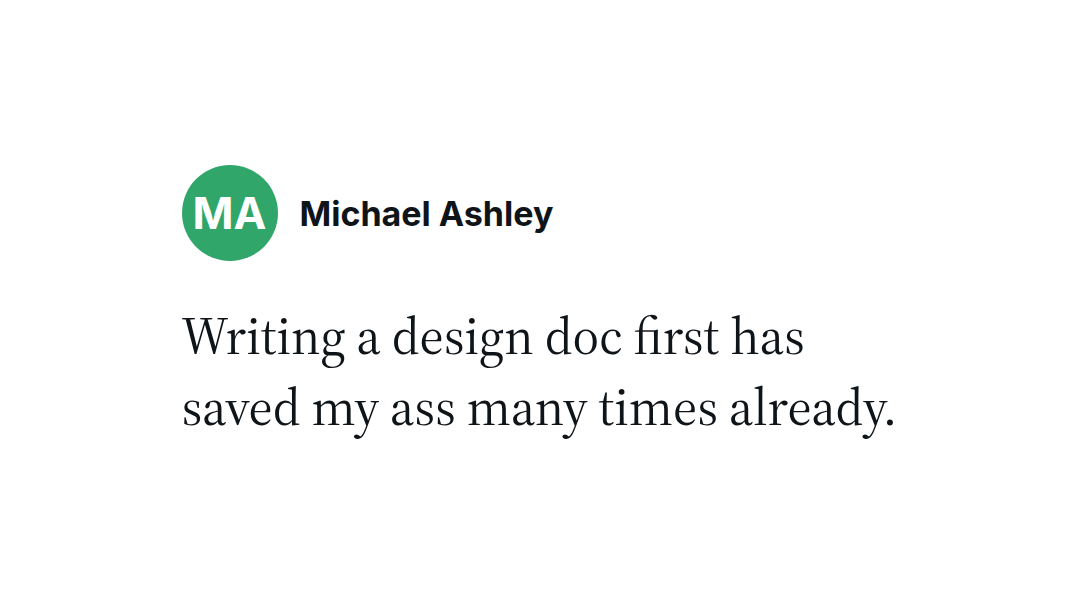
I want to share a process I use when I’m building a new feature for Radi8. I write a design doc first. Then I create a build spec from the design doc. Then I build from the build spec. It’s a little longer but it has saved my ass many times already!! …more
Every new feature I build for Radi8 starts with a design doc.
Doc, then build spec, then code. Slower... and it has saved my ass many times already.
Founders, what do you write down before a big move?
Writing it down first has saved my ass many times building Radi8.
Design doc, then build spec, then code. A little slower... and the costly mistakes show up on paper first.
Founders, before a launch or a new market, what do you write down?
Trying to break 90, I took the six iron. It came up short.
I'd stood there going back and forth... four hybrid or six iron. Downhill lie, so the six felt like the logical call. I had a reason. I liked my reason!
The four hybrid had worked perfectly on the previous par 3.
My honest summary: "I don't know because I thought I knew what I was doing"
Founders and CEOs, I think this shows up in business all the time. The decisions that worry me most are the ones where someone feels certain... including me. Feeling sure about a rationale and the rationale being right can be two different things. And certainty is usually the moment I stop checking.
You can watch me talk myself into the wrong club, and see where the ball ends up, here: https://youtu.be/xyXd_QSFt0I
What decision are you most confident about right now... and when did you last actually pressure-test it?
#Founders#CEO#Leadership#Strategy…more
I'm building Radi8 inside ChatGPT and Claude, not behind a dashboard.
I use it every day, and somewhere along the way I noticed what I actually want from software... I don't want another dashboard. I don't want another login, another menu, another screen to learn.
I want to say what I need in a sentence and have it done.
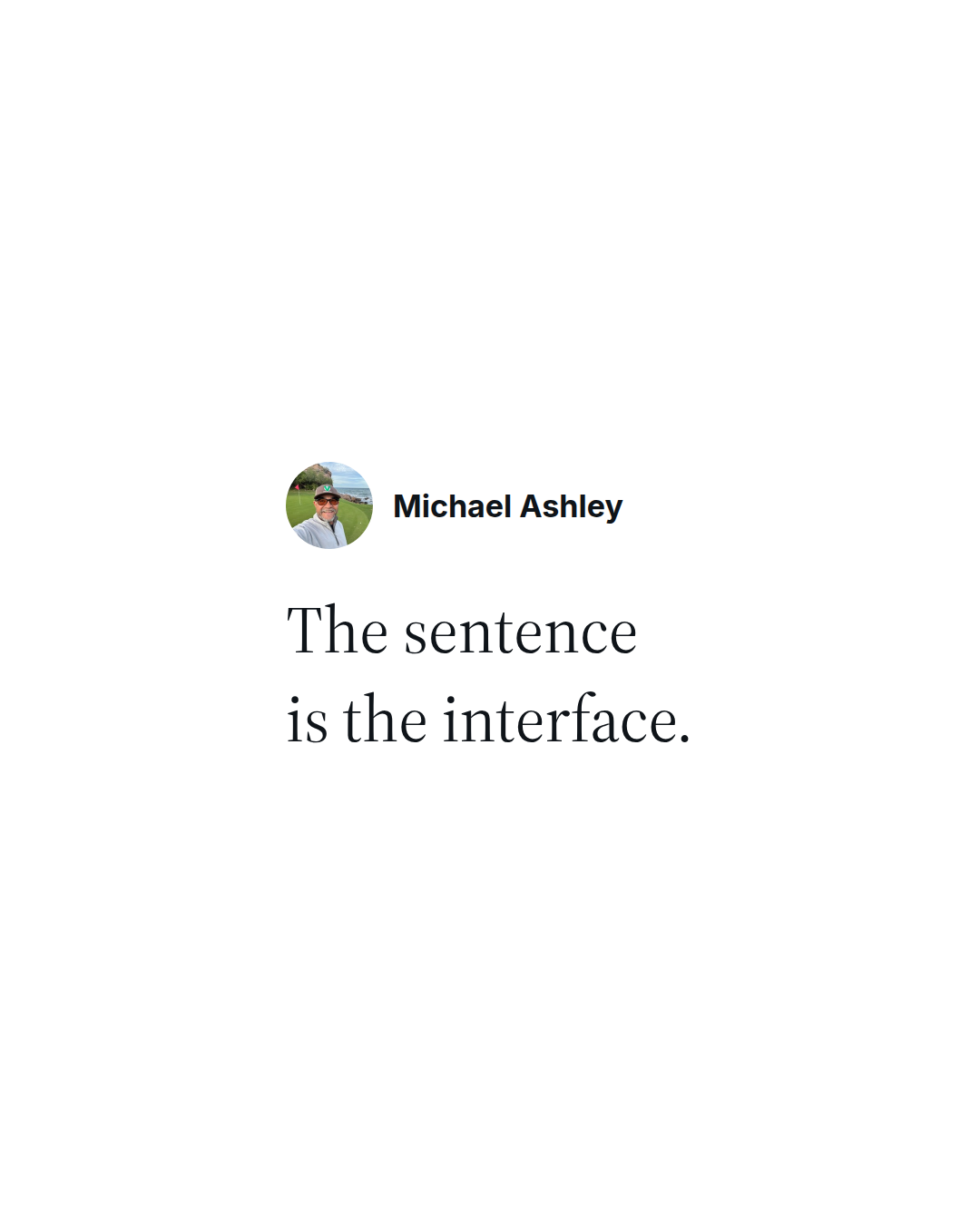
The sentence is the interface.
That changes what the product is for. General AI brings the intelligence. The specialized software has to bring everything the AI can't: who you are, what happened last time, where things stand, and the ability to actually take action.
I might be wrong about how fast this arrives. I'm testing it on myself first, which is the only way I know how to learn anything.
For founders and CEOs launching a product right now, it might be worth asking: if your customers never opened your app again, what would they still pay you for?
#Founders#GoToMarket#AI…more
We still picture software as screens to learn. When people can just type what they want, the sentence becomes the interface.
Building Radi8 inside ChatGPT and Claude showed me this... and it took me longer than I'd like to admit to notice.
Startup founders, that might change what's worth building. I'm still testing it, and I could be wrong about how fast it arrives.
#Founders#Startups#FirstTimeFounder#StartupFounder#BuildInPublic#AI#ProductStrategy#GoToMarket#Entrepreneurship
I'm building Radi8 to live inside ChatGPT and Claude.
The chat is smart. It can write, reason, and talk you through almost anything. But start a new conversation and it doesn't know your voice, your offers, who you're writing for, or what you posted last week.
That part has to live somewhere. In Radi8 it lives in the app... the brand context, the strategy, the posts already published, and the ability to actually save a draft instead of just talking about one.
So the chat brings the intelligence, and the app brings the memory, the context, and the ability to act. Nobody has to learn another dashboard. You say what you want in a sentence, and the sentence becomes the interface.
I'm still figuring out how far this goes, and I could be wrong about parts of it.
Founders building software right now, it might be worth asking what your app knows that the chat never will... that might be the part worth building.
If you're building or using AI tools, what's something you'd rather describe in a sentence than click through?
#Founders#AI
Who have you actually watched build the startup you're trying to build?
Saeed Amidi makes a point about Stanford I keep coming back to: the reason so many students there start companies is that they grow up seeing it as normal. A graduate feels they could just as easily go build the next Google as go get a job at one. He points to the poster children — Larry Page, Sergey Brin, Bill Hewlett, Dave Packard. When you can see people like you doing it, building becomes something you can picture yourself doing.
I launched the startup incubator at San José State, where I still teach. Same engineering talent as anywhere. Far fewer startups. The gap isn't intellect... it's whether or not students believe they can do it.
The same dynamic runs for anyone starting a business. What you believe you can attempt is shaped by the peers you can watch attempting it. That's why community isn't just encouragement — it's the infrastructure your belief runs on.
Watch Saeed make the point himself here: https://youtu.be/bb9n-CnDGVA
Who in your peer group has already made this leap? And if you can't name anyone... is that why you're hesitating?
#IndependentConsultant#Coaching#Consulting…more
I heard Saeed Amidi explain why Stanford makes about 450 startups a year.
Students see founders they could become... "you could go either get a job at Google or build Google."
Who made it feel possible for you?
I don't think the plan is the hardest part of a big move.
Saeed Amidi puts a number on what is: "Believing you can build something is I would say 50% of becoming an entrepreneur."
Half. Before the market, the money, the team.
I see a version of this with founders and CEOs making a big growth move... a launch, an expansion, a new market. The plan exists. The move has been "about to start" for too long. What's missing is the belief that this team can actually build it.
None of the things I've built started with a plan that survived. They started with a direction. And I still build belief the same way... when I don't know how to do something, I find the simplest version I can actually do, do it, and learn from what happens.
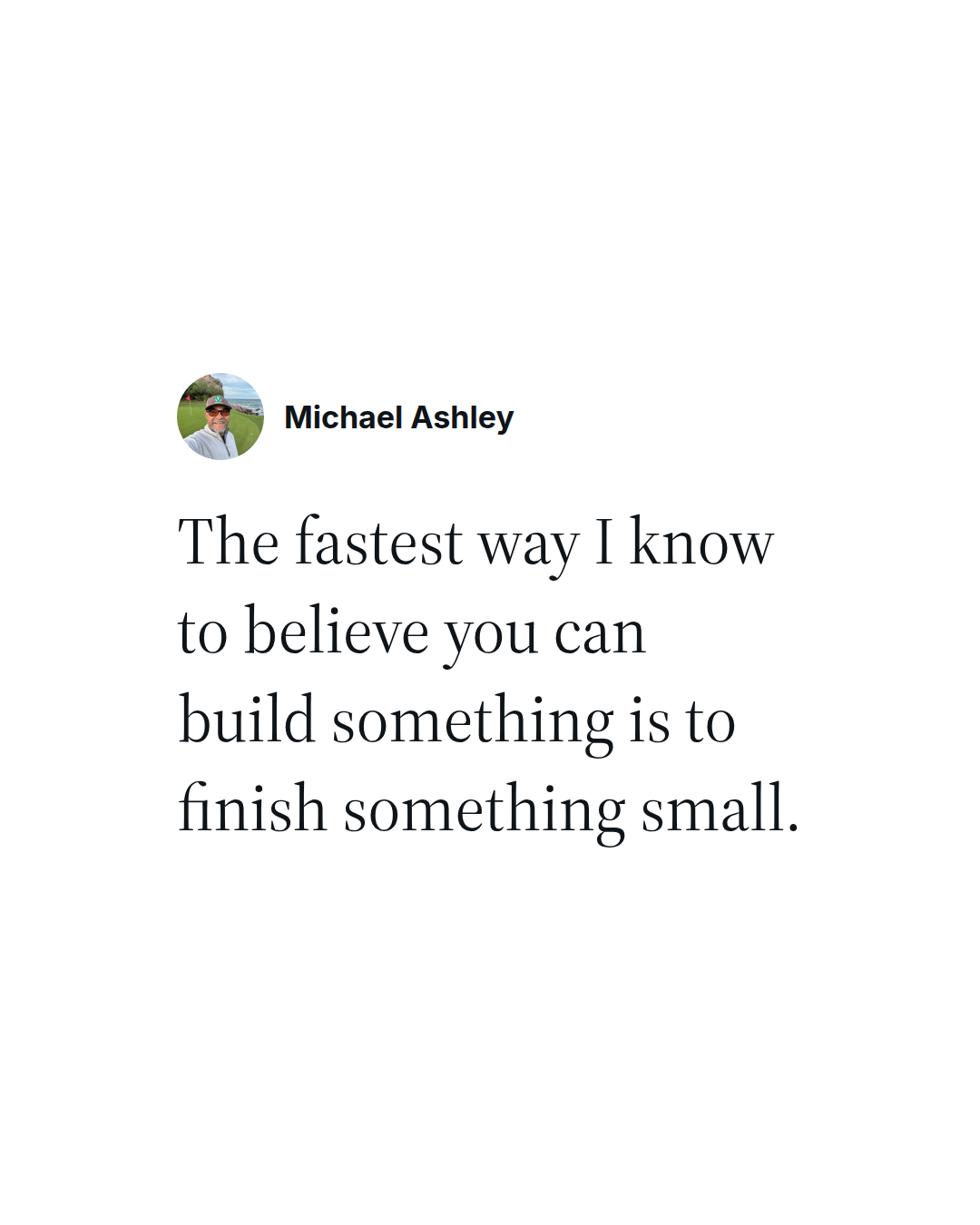
The fastest way I know to believe you can build something is to finish something small.
Hear Saeed say it himself, then decide whether you'd put it higher or lower than half: https://youtu.be/vXDMfaJVcNQ
What's the small thing your team could finish this week?
#Founders#CEO#GrowthStrategy#Entrepreneurship…more
One Saeed Amidi line stuck with me:
"Believing you can build something is I would say 50% of becoming an entrepreneur."
I see it in CEOs stuck at "about to start"...
The fastest way I know to believe you can build something is to finish something small.
What could your team finish first?



 View on Bluesky
Also on


'/%3E%3Cpath fill='%23fff' d='M12 7.3A4.7 4.7 0 1 0 16.7 12 4.7 4.7 0 0 0 12 7.3Zm0 7.8A3.1 3.1 0 1 1 15.1 12 3.1 3.1 0 0 1 12 15.1Zm5-8a1.1 1.1 0 1 0 1.1 1.1A1.1 1.1 0 0 0 17 7.1Zm-5 1.5c-1.5 0-1.7 0-2.3.1a3.8 3.8 0 0 0-1.3.2 2.2 2.2 0 0 0-.8.5 2.2 2.2 0 0 0-.5.8 3.8 3.8 0 0 0-.2 1.3c-.1.6-.1.8-.1 2.3s0 1.7.1 2.3a3.8 3.8 0 0 0 .2 1.3 2.2 2.2 0 0 0 .5.8 2.2 2.2 0 0 0 .8.5 3.8 3.8 0 0 0 1.3.2c.6.1.8.1 2.3.1s1.7 0 2.3-.1a3.8 3.8 0 0 0 1.3-.2 2.5 2.5 0 0 0 1.3-1.3 3.8 3.8 0 0 0 .2-1.3c.1-.6.1-.8.1-2.3s0-1.7-.1-2.3a3.8 3.8 0 0 0-.2-1.3 2.2 2.2 0 0 0-.5-.8 2.2 2.2 0 0 0-.8-.5 3.8 3.8 0 0 0-1.3-.2c-.6-.1-.8-.1-2.3-.1Zm0-1.6c1.5 0 1.7 0 2.4.1a5.5 5.5 0 0 1 1.8.3 3.8 3.8 0 0 1 2.2 2.2 5.5 5.5 0 0 1 .3 1.8c.1.7.1.9.1 2.4s0 1.7-.1 2.4a5.5 5.5 0 0 1-.3 1.8 3.8 3.8 0 0 1-2.2 2.2 5.5 5.5 0 0 1-1.8.3c-.7.1-.9.1-2.4.1s-1.7 0-2.4-.1a5.5 5.5 0 0 1-1.8-.3 3.8 3.8 0 0 1-2.2-2.2 5.5 5.5 0 0 1-.3-1.8C4 13.7 4 13.5 4 12s0-1.7.1-2.4a5.5 5.5 0 0 1 .3-1.8 3.8 3.8 0 0 1 2.2-2.2 5.5 5.5 0 0 1 1.8-.3C10.3 5 10.5 5 12 5Z'/%3E%3C/svg%3E)