

Trying to break 90, I took the six iron. It came up short.
I'd stood there going back and forth... four hybrid or six iron. Downhill lie, so the six felt like the logical call. I had a reason. I liked my reason!
The four hybrid had worked perfectly on the previous par 3.
My honest summary: "I don't know because I thought I knew what I was doing"
Founders and CEOs, I think this shows up in business all the time. The decisions that worry me most are the ones where someone feels certain... including me. Feeling sure about a rationale and the rationale being right can be two different things. And certainty is usually the moment I stop checking.
You can watch me talk myself into the wrong club, and see where the ball ends up, here: https://youtu.be/xyXd_QSFt0I
What decision are you most confident about right now... and when did you last actually pressure-test it?
#Founders #CEO #Leadership #Strategy …more
Human Judgment
When someone tells me they need VC, I say: go to the bank right now.
Before you chase investors, ask your bank about a credit line... it might be the simplest next step.
I say it with more energy here: https://youtu.be/M58Dnn2UAlM?is=hzrAl7LB9vuXVJ7U …more

 View on X
Also on

Told 2 times, Nov 13, 2026 – Nov 14, 2026
· X · Open
I got asked how to show a track record without a highlight reel.
Keep a decision log: five big calls, what you knew, what you chose, what happened. Include one you got wrong... the miss shows how you think.
I say more here: https://youtu.be/M58Dnn2UAlM?is=hzrAl7LB9vuXVJ7U
25 years building companies, and now I'm watching the sentence become the interface... people describing what they want instead of learning another dashboard.
Building Radi8 inside ChatGPT and Claude, I keep testing that hunch, and it keeps sending me back to an old founder question.
If your customer could only type one sentence to you, what would it say?
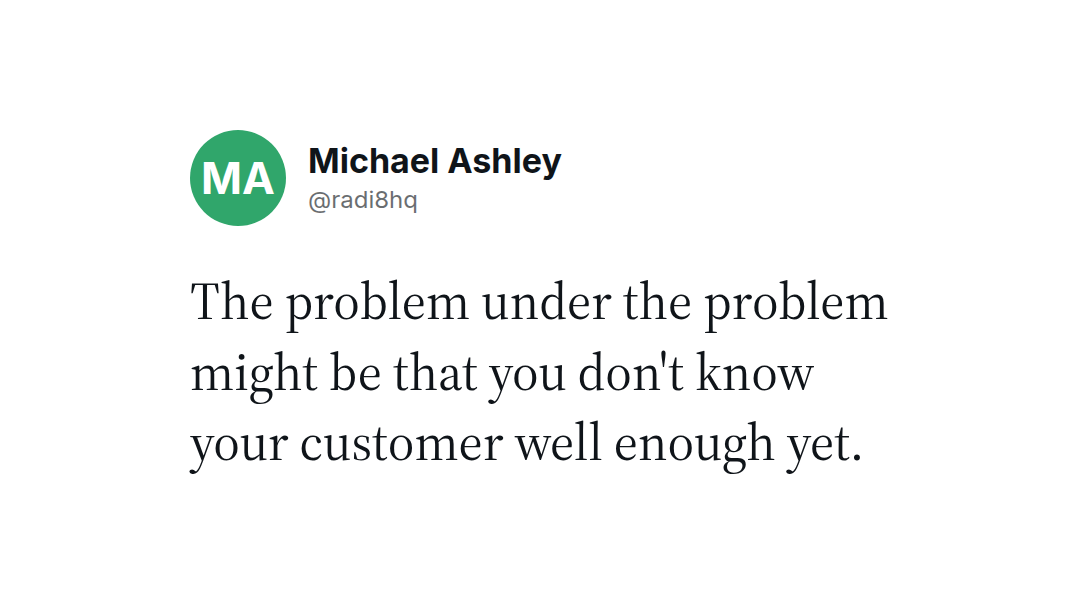
If you can't answer that, a better interface probably won't save you. The problem under the problem might be that you don't know your customer well enough yet.
Founders, what sentence would yours type?
#Founders #Startups #FirstTimeFounder #Entrepreneurship #CustomerDiscovery #Positioning #AI #BuildingInPublic …more
'/%3E%3Cpath fill='%23fff' d='M12 7.3A4.7 4.7 0 1 0 16.7 12 4.7 4.7 0 0 0 12 7.3Zm0 7.8A3.1 3.1 0 1 1 15.1 12 3.1 3.1 0 0 1 12 15.1Zm5-8a1.1 1.1 0 1 0 1.1 1.1A1.1 1.1 0 0 0 17 7.1Zm-5 1.5c-1.5 0-1.7 0-2.3.1a3.8 3.8 0 0 0-1.3.2 2.2 2.2 0 0 0-.8.5 2.2 2.2 0 0 0-.5.8 3.8 3.8 0 0 0-.2 1.3c-.1.6-.1.8-.1 2.3s0 1.7.1 2.3a3.8 3.8 0 0 0 .2 1.3 2.2 2.2 0 0 0 .5.8 2.2 2.2 0 0 0 .8.5 3.8 3.8 0 0 0 1.3.2c.6.1.8.1 2.3.1s1.7 0 2.3-.1a3.8 3.8 0 0 0 1.3-.2 2.5 2.5 0 0 0 1.3-1.3 3.8 3.8 0 0 0 .2-1.3c.1-.6.1-.8.1-2.3s0-1.7-.1-2.3a3.8 3.8 0 0 0-.2-1.3 2.2 2.2 0 0 0-.5-.8 2.2 2.2 0 0 0-.8-.5 3.8 3.8 0 0 0-1.3-.2c-.6-.1-.8-.1-2.3-.1Zm0-1.6c1.5 0 1.7 0 2.4.1a5.5 5.5 0 0 1 1.8.3 3.8 3.8 0 0 1 2.2 2.2 5.5 5.5 0 0 1 .3 1.8c.1.7.1.9.1 2.4s0 1.7-.1 2.4a5.5 5.5 0 0 1-.3 1.8 3.8 3.8 0 0 1-2.2 2.2 5.5 5.5 0 0 1-1.8.3c-.7.1-.9.1-2.4.1s-1.7 0-2.4-.1a5.5 5.5 0 0 1-1.8-.3 3.8 3.8 0 0 1-2.2-2.2 5.5 5.5 0 0 1-.3-1.8C4 13.7 4 13.5 4 12s0-1.7.1-2.4a5.5 5.5 0 0 1 .3-1.8 3.8 3.8 0 0 1 2.2-2.2 5.5 5.5 0 0 1 1.8-.3C10.3 5 10.5 5 12 5Z'/%3E%3C/svg%3E) View on Instagram
Told 2 times, Nov 4, 2026 – Nov 6, 2026
· X · Open
How to test a feature before building a screen for it... write the sentence a customer would type to ask for it. If you can't write it, a dashboard probably won't help.
E

Erika Sanneman
The Multilingual Mind helps schools and education teams close the gap between what they know they want to do and what their people actually have the time, training, tools, systems, and support to impl
I changed one thing about the way I use ChatGPT, and it changed what I get out of it.
When I say something vague or unfinished, I don't want it to decide what I must have meant and write a polished version. I want it to ASK me.
Sometimes I answer two questions and say, “No, that's enough. Let's move forward.”
Other times we keep going. One question leads to another, and suddenly I'm considering options I didn't even realize were options when I started.
I remember wanting to comment on a post about an experience that overlapped with my own in some ways, but differed in important others. I wanted to support what people were sharing without putting my own perspective in front of theirs.
My first thought was basically: how do I write the right comment?
But I had ChatGPT ask me questions instead.
What was I actually trying to accomplish? Was I hoping to add my perspective, or help their message reach more people? Did supporting the post require commenting at all?
We got to alternatives I hadn't originally considered: liking it, saving it, sharing the original message where appropriate. Supporting without making myself the center of the conversation.
I didn't end up with a better comment. I ended up reconsidering whether a comment was what I needed in the first place.
That experience keeps coming back to me as I think about AI in education.
There's also a new study, published October 23, of 83 university students using generative AI. The groups guided through structured question sequences showed more learning-monitoring behaviors, greater reported metacognitive awareness, and higher course scores than the free-questioning group. It's a small, nonrandomized study, and it can't tell us which part of the approach made the difference. Still, I'm interested in what it suggests we should study next.
I don't want AI to finish my thinking. I want it to help me see where that thinking can go.
And I want to be able to say “enough questions” and make my own decision.
How are we helping students stay in charge of their thinking when they use AI? …more
Told 2 times, Oct 27, 2026 – Nov 4, 2026
· X · Open
I changed my AI instructions: When a thought is vague, don't quietly rewrite what you THINK I mean. Ask me.
Sometimes a few questions are enough. Sometimes they change the entire direction of my thinking.
AI can help me write, but I want to remain the author of the idea.
Try this the next time a call goes sideways: separate the decision from the outcome.
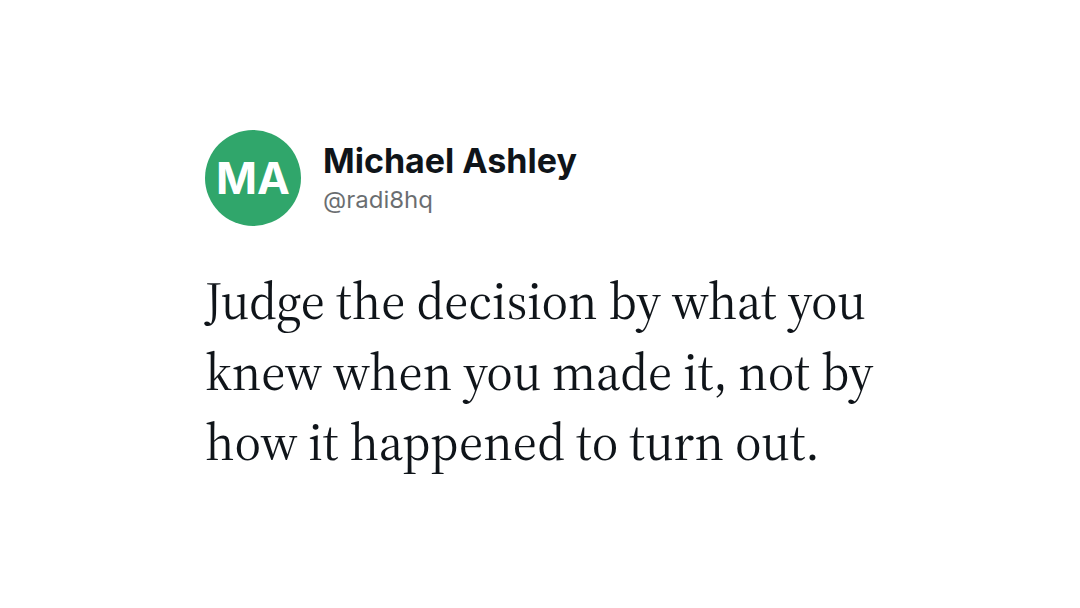
Judge the decision by what you knew when you made it, not by how it happened to turn out.
That idea comes from Annie Duke's Thinking in Bets, her Substack on deciding in an uncertain world. A sound process can still draw a bad result... that's uncertainty, not a verdict on you. The trap is the reverse too, a lucky win hiding a sloppy call.
For coaches and consultants building a practice: which call deserves a harder look, and which one just got unlucky?
#IndependentConsultant #ExecutiveCoach #CoachingBusiness #ConsultingBusiness #Solopreneur #SmallBusinessOwner #BusinessGrowth #Positioning #ThoughtLeadership #GoingIndependent …more
J

Jenny Huang
Marketing and branding consultant with over 20 years of experience helping purpose-driven and socially responsible companies launch their products and build their brands
Last week I shared Tip #3 from my early process to help us navigate what we want to own as humans, and what we can work together with AI to do our best work.
This week, I'm looking at how to keep human values relevant and grow together with AI.
The human values are values that we bring for being humans -- they don't stay sharp with less practice, and can be strengthened when we become more aware of what they are.
Tip #4: Creating and Amplifying Human Values to Grow Together with AI
Here's a mindset that we need to continue to practice:
* Continue practicing your human values; values that go unused don't stay sharp.
* Like any skill, they need growth and repetitions, especially human judgement and human intuition, which can become rusty if we don't continue to exercise and use those muscles.
A few ways to keep building:
💥Practice human judgement calls on purpose: Before reaching for an AI draft, sit with the ambiguity for a few minutes first. Make the call yourself, then compare what you come up with vs. what AI has assisted.
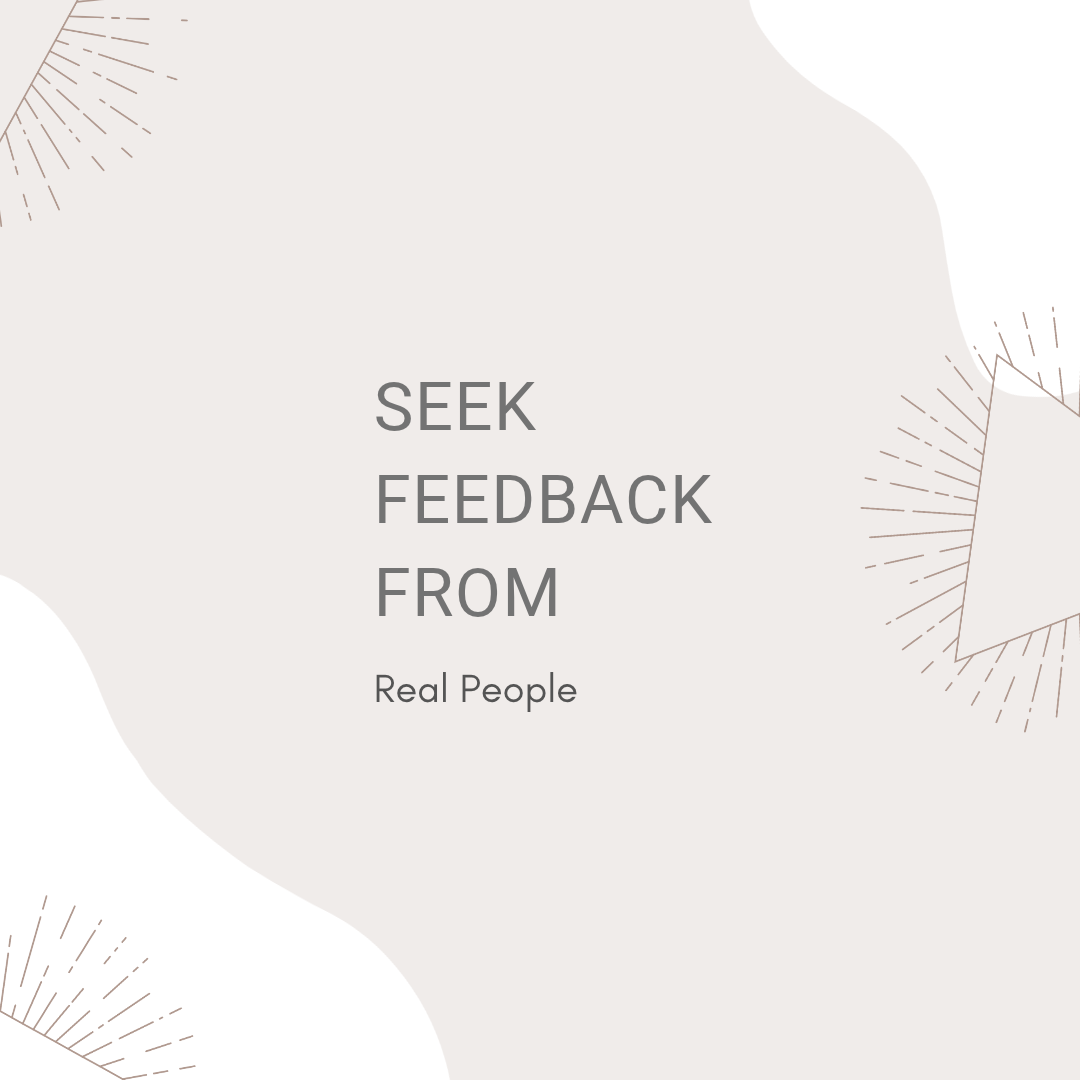
💥Seek feedback from real people: Not just engagement metrics. Metrics tell you what worked. People tell you why, and that "why" is rooted in human emotions.
💥Stay curious about the "why": It's easy to see that something resonated. It's more valuable to understand what made it resonate, which usually traces back to human perspectives you hadn't considered.
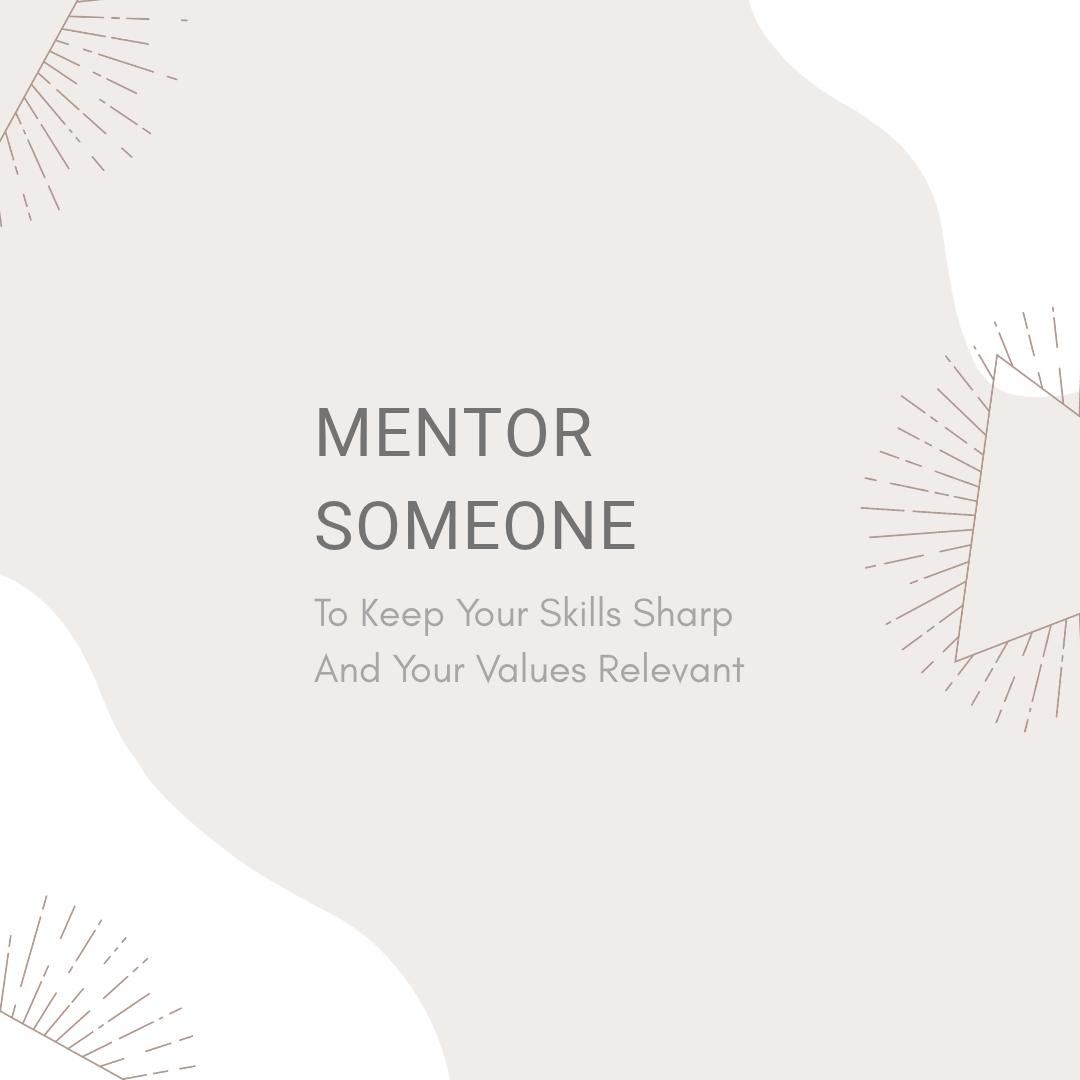
💥Mentor someone: Teaching a skill is one of the fastest ways to keep your skills and values fresh and sharpened.
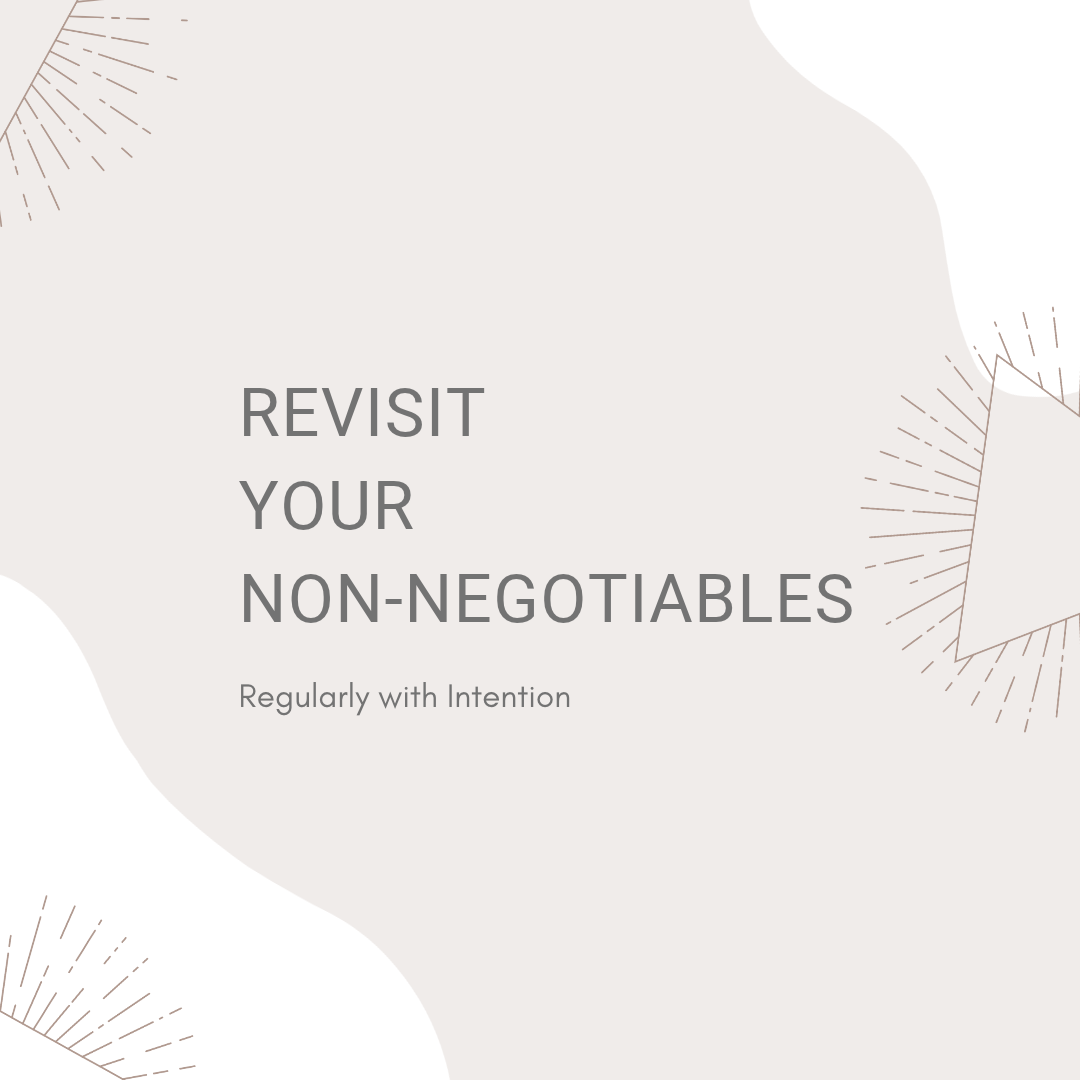
💥Revisit your non-negotiables list regularly: As AI capabilities shift, what you choose to own might shift too. Don't let that list go stale.
One thing that Seth Godin reminded us is that the "more human you can be, the harder you are to be replicated."
Having a healthy mindset that embrace technology, knowing your superpowers and constraints will keep you at pace and stay relevant in this modern world.
Next week: the key takeaways to keep you grounded as AI keeps evolving -- the final piece of this series.
Which of these do you already practice, and which one you might need to build back up a bit?
Love to hear your thoughts in comments below. …more

 View on LinkedIn
Also on
Told 2 times, Oct 21, 2026
· Bluesky · Open
A few ways to keep building them:
* Practice judgement calls on purpose
* Seek feedback from real people, not just metrics
* Stay curious about the "why"
* Mentor someone
* Revisit your non-negotiables list regularly with intentions
J
Jenny Huang
Marketing and branding consultant with over 20 years of experience helping purpose-driven and socially responsible companies launch their products and build their brands
Amplifying Human Values in the Age of AI
Recently, I've been doing more incremental training on Claude as a marketer. While I am learning to test and re-test if Claude’s AI approach can help me be more efficient in my workshop training and writing projects, I also learn that it takes quite a bit of time and patience to train AI to think like me.
As I'm going through my AI training, I pause from time to time to reflect on my philosophy about how we should integrate AI into our daily work and personal tasks.
I have always been a believer in keeping skills and superpowers that I own and not outsource them because they are non-negotiables – something that I continue to see as values that I bring to do my best work.
My values are my own experiences, struggles, intuition, perspectives, judgement, and stories that come to shape how I see things, hear things, learn things, feel things, analyze things, and connect with others.
While I'm getting better at working together with AI to do great work, I've been reminded by an interview clip of Seth Godin, who raised the message about creating values in our human work.
Godin is an American author, entrepreneur, and marketing expert known for changing how people think about modern marketing, leadership, and work. I've been following Godin because of his worldly wisdom and interesting things he said that wake people up.
What Godin said in that interview clip woke me up; it landed with me because I think we all need to be more aware and conscious of our superpowers, what we are good at that comes easily, and what we love to do that we don’t want to have someone else do it for us.
This thinking is what has prompted me to develop an early process to help us continue strengthening the values in our human work as technology evolves over time.
My intention is to help us start recognizing what we want to own as humans, and what we can work with AI together to do our best work.
Keep an eye on the next few posts where I will be sharing out my early process that you can use as a framework to work alongside with AI.
.
.
. …more
View on LinkedIn
Also on
Told 6 times, Sep 23, 2026 – Oct 14, 2026
· Bluesky · Open
Been training Claude to think more like me lately in my workshops, my writing, my client work.
A Seth Godin clip on creating values in our human work stopped me mid-scroll and led me to a bigger question: what am I not willing to hand off, no matter how good AI gets?
· Bluesky · Open
None of this is about resisting technology. It's about protecting what depends on being human in the first place and being honest about what that is for you.
More on this next week: what AI is actually good at.
· Bluesky · Open
Last week: Tip #1 — the human values I'm not handing off to AI, no matter what.
This week, Tip #2 — the other half of the question: where AI actually earns its place. 🧵
· Bluesky · Open
Just because AI *can* do something doesn't mean it *should*. Trust is built in the small moments that are easiest to automate away. Protect those on purpose.
Next Tip: Keep values you bring as humans sharp as AI evolves
· Bluesky · Open
Before you blend human + AI strengths, you need to know what you're not willing to hand off, no matter how good the tech gets. For me, that list includes:
* Judgement under ambiguity
* Empathy built over time
* Ethical accountability
* Intuition in the room
* Perspective from lived experience
J
Jenny Huang
Marketing and branding consultant with over 20 years of experience helping purpose-driven and socially responsible companies launch their products and build their brands
Last week, I shared Tip #1 from my early process to help us navigate what we want to own as humans, and what we can work together with AI to do our best work.
This week, I'm looking from a different viewpoint point: asking where AI has actually earned a place in my workflow.
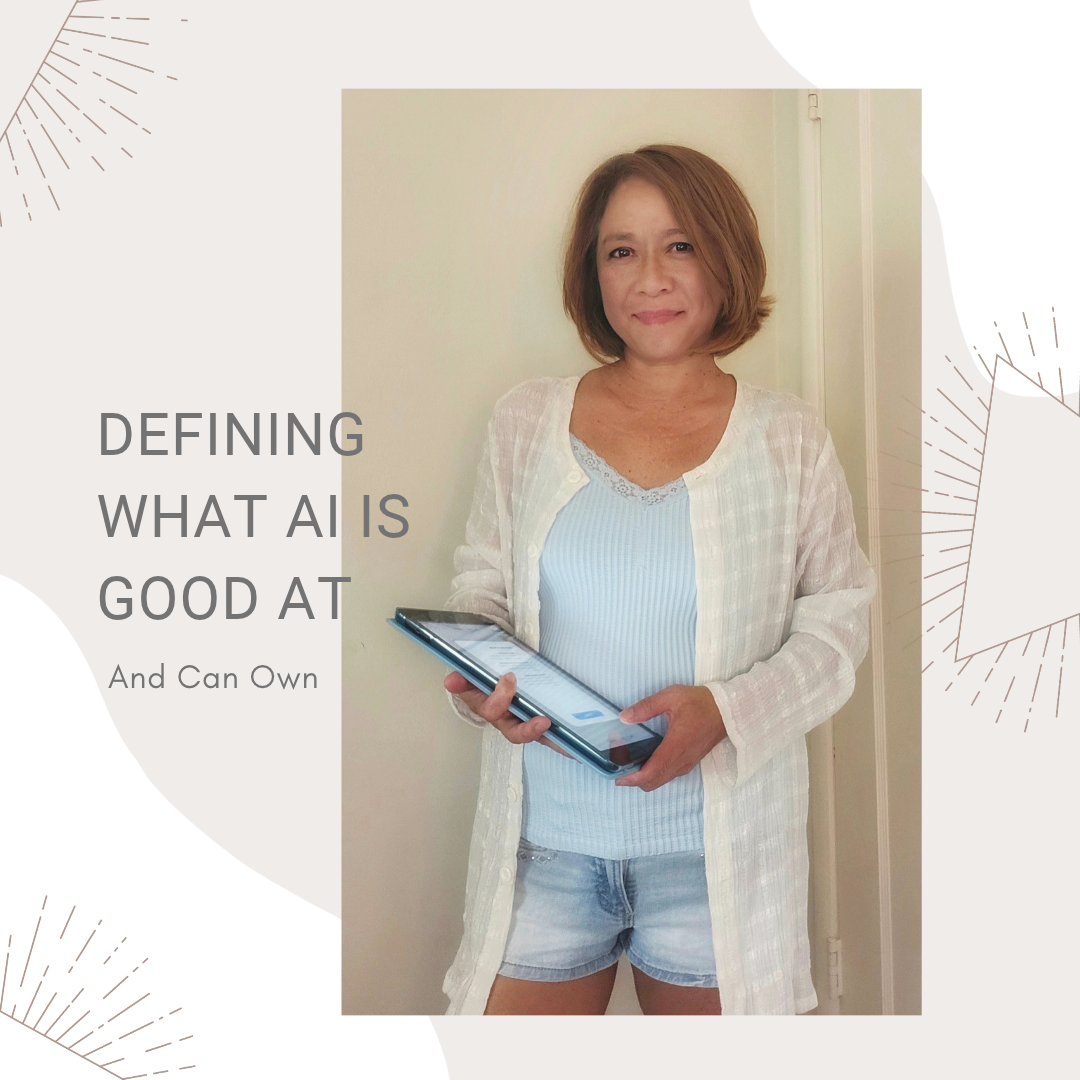
Tip #2: Defining What AI is Good at and Can Own
Identifying tasks for AI to do is not about cutting corners.
It's about freeing up your time for the work that only you can do and love to do,
because doing them will give you energy, and you are delivering values to your clients.
For example, AI is good at:
A. Pattern recognition across large data sets: spotting trends a person would need weeks to find manually.
B. Speed on first drafts and variations: giving you ten headline options in the time it takes to write one.
C. Consistency at scale: keeping tone, formatting, and compliance steady across hundreds of assets.
D. Research synthesis: pulling together sources and summarizing them quickly and clearly.
E. Removing repetitive admin: freeing up hours that used to go to formatting, scheduling, or basic reporting.
I have delegated AI to do some of the items above, especially items A and D, and I do the final checking to make sure the output makes sense to me and to my clients.
Next week: what it looks like to blend human values and AI strengths to do your best work.
What are some tasks that you’ve delegated to AI, and they’ve brought huge productivity to your workflow?
Love to hear them in comments below. …more


 View on LinkedIn
Also on
Told 3 times, Oct 6, 2026 – Oct 14, 2026
· Bluesky · Open
It's not a handoff, it's a relay:
* Strategy & positioning: human leads
* Drafting & variations: AI assists
* Client relationship moments: human only
Same race, different legs.
· Bluesky · Open
Freeing up time for AI to own isn't about cutting corners. It's about protecting your energy for the work only you can do.
Next Tip: what it looks like to actually blend the two.

"Good Judgment Required" https://www.axios.com/2026/09/08/googles-gemini-enterprise-legal-halimah-delaine-prado
1 big thing: Google's general counsel just drew the line every enterprise AI buyer needs to understand
AI can democratize access to good legal advice. It cannot replace the exercise of good judgment. Google's own general counsel said so — while launching an AI product built for law firms.
Why it matters: The same principle applies to B2B marketing. AI can surface information faster, draft more efficiently, and scale content production. It cannot replace the judgment that decides which of two reasonable-sounding strategies will actually move pipeline.
Driving the news:
Google launched Gemini Enterprise for Legal, an AI platform for law firms and in-house legal teams covering briefs, contract management, regulatory monitoring, and data discovery.
→ General counsel Halimah DeLaine Prado: "The practice of law will always fundamentally rise and fall on the exercise of good judgment"
→ More than 2,000 cases involving AI-generated hallucinations have been identified by legal researcher Damien Charlotin — lawyers sanctioned for false citations, misattributed quotes, and misrepresented cases
Zoom in:
Goldman Sachs CIO Marco Argenti argued enterprises should not rule out open-weight models — including Chinese models — so long as they follow a four-layer security framework: model testing, secure inference environments, monitored agent permissions, and controlled data access.
Yes, but: Goldman's current open-model usage is mostly US-based. The framework exists precisely because the risk is real.
Be smart: The legal sector's AI hallucination problem is a preview of what happens in any professional domain when speed replaces judgment. Build the review layer before you need it, not after.
The bottom line: AI gives you more time to think. Use it.
https://www.axios.com/2026/09/08/googles-gemini-enterprise-legal-halimah-delaine-prado
#AIGovernance #B2BMarketing …more
 View on LinkedIn
Also on
Bill Gates: "Anyone who analogizes AI to other technologies is missing that this time is different — it exceeds human cognition across nearly every domain."
It's a comforting instinct, isn't it? When something big shows up, we reach for the last thing that looked like it. The internet. The smartphone. Electricity. We tell ourselves, "We've seen this movie before, we know how it ends."
But that instinct is exactly what trips us up here.
Every past technology extended what humans could do. This one steps into the thing we thought was ours alone — reasoning, judgment, the act of figuring something out. That's not a faster horse. That's a different kind of animal.
The past is comforting, but it's also there to fool you if you assume this is just another wave. The people building it won't even forecast a year out anymore. That should tell us something.
You don't have to have it all figured out. You just have to stop pretending it's familiar.
Curious how you're thinking about this moment — is AI "just another tool" to you, or something different? Tell me in the comments. 👇 #AIStrategy …more
This post has video.
Watch it on the channel.
Told 2 times, Sep 24, 2026
· YouTube · Open
Bill Gates: "Anyone who analogizes AI to other technologies is missing that this time is different — it exceeds human cognition across nearly every domain."
It's a comforting instinct, isn't it? When something big shows up, we reach for the last thing that looked like it. The internet. The smartphone. Electricity. We tell ourselves, "We've seen this movie before, we know how it ends."
But that instinct is exactly what trips us up here.
Every past technology extended what humans could do. This one steps into the thing we thought was ours alone — reasoning, judgment, the act of figuring something out. That's not a faster horse. That's a different kind of animal.
The past is comforting, but it's also there to fool you if you assume this is just another wave. The people building it won't even forecast a year out anymore. That should tell us something.
You don't have to have it all figured out. You just have to stop pretending it's familiar.
Curious how you're thinking about this moment — is AI "just another tool" to you, or something different? Tell me in the comments. 👇 #AIStrategy
To Read or Not to Read the Code? https://every.to/source-code/to-read-or-not-to-read-the-code
1 big thing: Don't miss this shift — AI is ready to run your work in the dark. Don't let it turn the lights out in your head too.
Shipping more has never been easier. Understanding what you're shipping has never been more at risk.
Why it matters: B2B marketers building AI-assisted workflows face the same trap engineers do. The system gets smarter. You get faster. But the judgment that makes you valuable — knowing which of two reasonable-sounding plans will hurt you six months from now — quietly erodes if you let AI handle everything without staying in the work.
Driving the news:
Kieran Klaassen, GM of Every's AI email product Cora, found himself shipping faster than ever while feeling his own thinking get softer. Researchers Margaret Mitchell, Avijit Ghosh, and Samir Passi confirmed the pattern — extended AI agent use measurably erodes the vigilance, critical thinking, and domain skill that human oversight depends on.
→ The phenomenon dates back to 1983 — called the "irony of automation" — where the more capable the automation, the more human skill erodes
→ AI just makes it move faster
Zoom in:
Klaassen's solution: build a deliberate loop for his own learning alongside the AI.
→ His four practices: keep a list of gaps, ask for mechanics not just diffs, recover the reasoning behind the code, and let the model quiz you
Yes, but: This takes discipline most people won't apply. The excuse that you don't have time is exactly what AI removes — but the desire to learn has to come from you.
Be smart: Audit one AI-assisted workflow you run today. Can you explain why it works? Can you catch it when it fails? If not, you have a judgment gap, not a tool gap.
The bottom line: The tools that gave you an edge are becoming easy to copy. The judgment to know where to point them is not.
https://every.to/source-code/to-read-or-not-to-read-the-code
#AIMarketing #B2BMarketing …more
 View on LinkedIn
Also on
What would you never hand to a tool? Building Radi8, the hard part wasn't teaching it to write... it was the restraint I had to give it: it won't post a date nobody vouched for. What you refuse to delegate defines you. Grab 30 min with me: https://calendly.com/foclarity/30min …more
Channel names and logos are trademarks of their respective owners.