We're halfway through the year. I've been doing a lot of thinking about what's actually worked in my marketing vs. what I thought would.
Here's my honest take.
What I expected to work: a polished content calendar, consistent posting across multiple channels, well-designed assets.
What actually moved the needle: direct conversations that started from a single, specific LinkedIn post that named an exact pain point my audience was feeling.
The post wasn't clever. It wasn't visually interesting. It was just specific and true. It got more inbound messages than anything I'd posted in the previous three months combined.
The lesson I keep relearning: marketing feedback loops are much shorter than founders think. You can know within 30 days whether a message is working — if you're watching the right signal. Not follower count. Not impressions. Conversations started.
That's the metric I watch now above everything else. How many people responded to something I wrote and said "this is exactly what I'm dealing with"? That's the leading indicator that content is building pipeline.
The other thing that worked: teaching something specific in every post instead of sharing opinions. Opinions get likes. Teaching gets DMs. DMs become customers.
My Inspiring Founders community on Skool is where I share what I'm learning as I learn it — if you want to follow along, join us. It's free: https://www.skool.com/inspiring-founders-5861/about …more
Client Acquisition
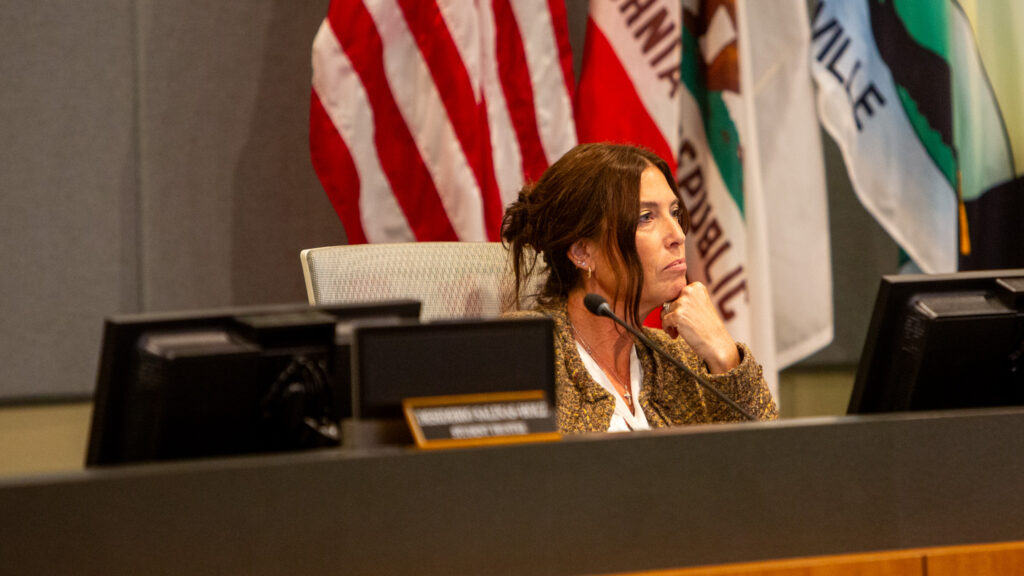
When a public engagement gets scrutinized, everyone assumes it's about the price.
It rarely is.
I've watched this play out across organizations for 25 years. A consultant can be delivering enormous value — and still lose the room. Not because the work is bad, but because the people footing the bill can't see how the work connects to the mission.
That's the gap that erodes trust. And it's especially dangerous in public initiatives like Measure M, where the audience is already hurting from job losses and watching every dollar.
Here's the part leaders miss: consulting at this level is genuinely an art. You can't compare a complex transformation engagement to a landscaping contract with a fixed scope and a visible result. The value is real, but it's harder to see — which makes communication part of the work, not an afterthought.
Value delivered in private isn't the same as value understood in public.
So the lesson isn't "charge less" or "do more." It's this:
When stakeholders can't see progress toward the goal, they fill the silence with doubt.
The fix is rarely cheaper. It's clearer:
- Tie the work back to the stated mission, every time.
- Show progress in terms the public actually cares about, not internal milestones.
- Treat transparency as a deliverable, not a courtesy.
Trust isn't built by being the lowest bidder. It's built by letting people see how the work moves the mission forward.
For those of you leading high-visibility, publicly-funded initiatives: how do you make progress legible to people who only see the invoice? …more
I've watched enterprise tech brands spend six figures on content that got zero pipeline. Same mistake: they built for engagement, not skepticism. Your B2B audience doesn't need more noise. They need proof.
https://www.contrarianthinking.co/newsletter-articles/how-to-rewire-your-brain-for-business-success …more
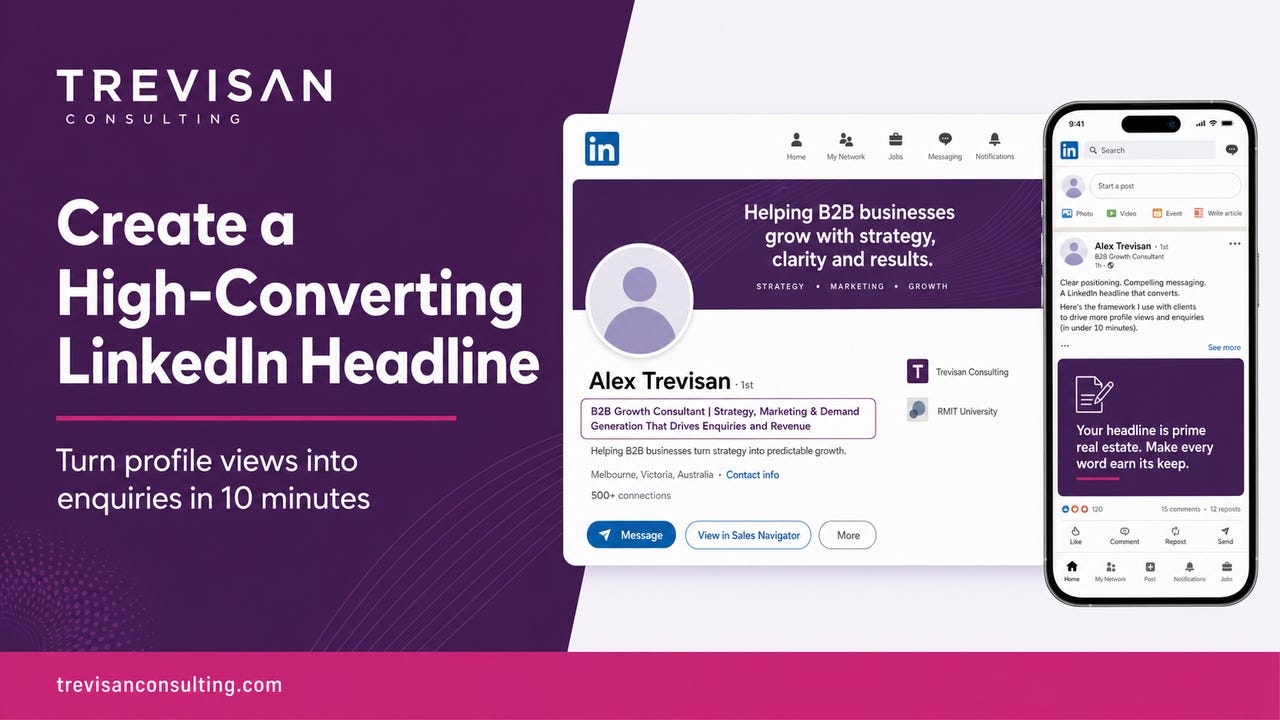
Your LinkedIn headline either converts profile views into enquiries, or it wastes them.
Most B2B marketers treat it like a job title. That's a missed opportunity.
https://melaniegoodmanlinkedinconsultant.substack.com/p/linkedin-headline-guide …more
Channel names and logos are trademarks of their respective owners.