One decision.
Elizabeth told me the most valuable decision she made for her business wasn't a tactic or a tool. It was leaving her day job to go all in on her practice.
While she was still in that job, she said, she wasn't all in. Now she is.
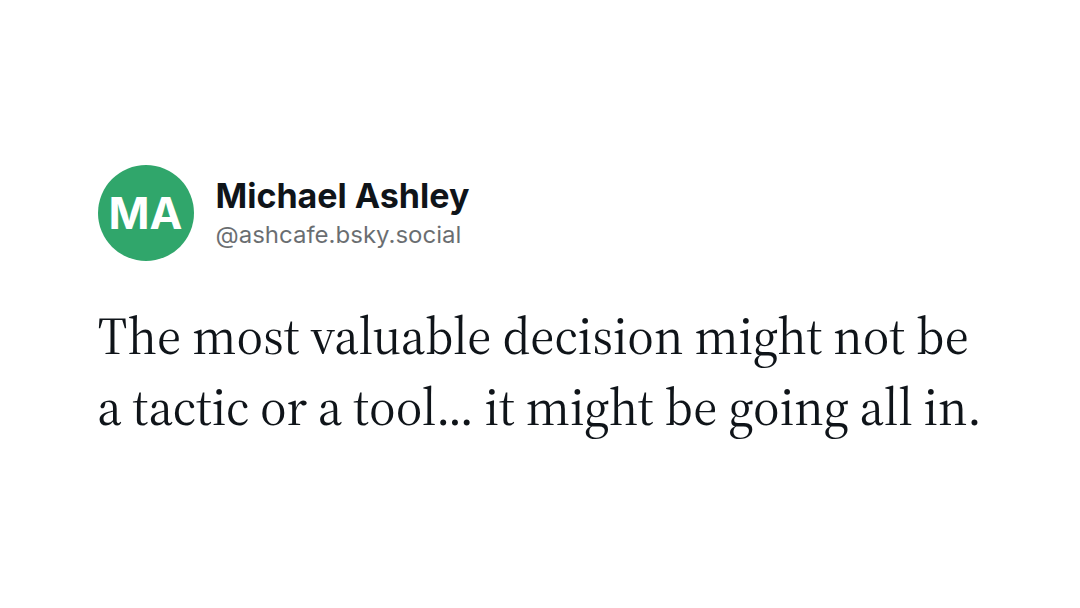
The most valuable decision might not be a tactic or a tool... it might be going all in.
Practitioners, I can't tell you whether that's the right call for you, and I'd never pretend it's an easy one. But it might be worth looking at where you're still hedging... the plan B you keep open, the second thing that quietly gets half your attention.
Thank you, Elizabeth, for saying it so plainly!
Where are you still hedging?
If you want to work out your own version of that decision, the first comment links to my site, where I help founders figure out exactly what to do next.
#GoingIndependent#Solopreneur#Entrepreneurship…more
Liz Greenfield told me this one gives her goosebumps, every time. When a client finally commits to putting themselves first, their external world starts to ease up.
Her words: "once they get to that point that they realize like, I'm actually not going to make progress until I commit to myself, everything in their external world starts to ease up."
Took me a long time to trust it. But I see the business version constantly: a half-committed practice hedges, keeps a fallback, quietly warns everyone it might not last. Full commitment changes what you notice, what you chase, and what you let people see.
What would full commitment to your practice look like — no hedging, no fallback plan? Tell me below.
#Coaching#ExecutiveCoach#CoachingBusiness#IndependentConsultant#ConsultingBusiness#GoingIndependent#Solopreneur#ThoughtLeadership
How to find your highest-leverage decision: look for where you're still hedging.
Elizabeth told me hers was leaving her day job to go all in on her practice.
The most valuable decision might not be a tactic or a tool... it might be going all in.
The one decision that moved Elizabeth Greenfield's practice more than any funnel: going all-in. Half-in is a half-result. She names the hinge moment herself... worth a watch: https://youtu.be/vXDMfaJVcNQ
You don't need VC for your consulting practice. It's built for scalable startups, not a solo practice. The funding talk you actually need is with your bank, not an investor. Open a credit line. More: https://inspiringfounders.com…more
The demo happened on his watch.
He raised his wrist mid-conversation and talked to ConscioussAI to book an Uber.
Shiven, and his cousin Manas, turned ConscioussAI from a bedroom project that read wind tunnel data to a Plug and Play funded startup. ConscioussAI is now 12 people shipping an AI agent that runs your whole phone.
New episode of the Inspiring Founders Podcast is live. …more
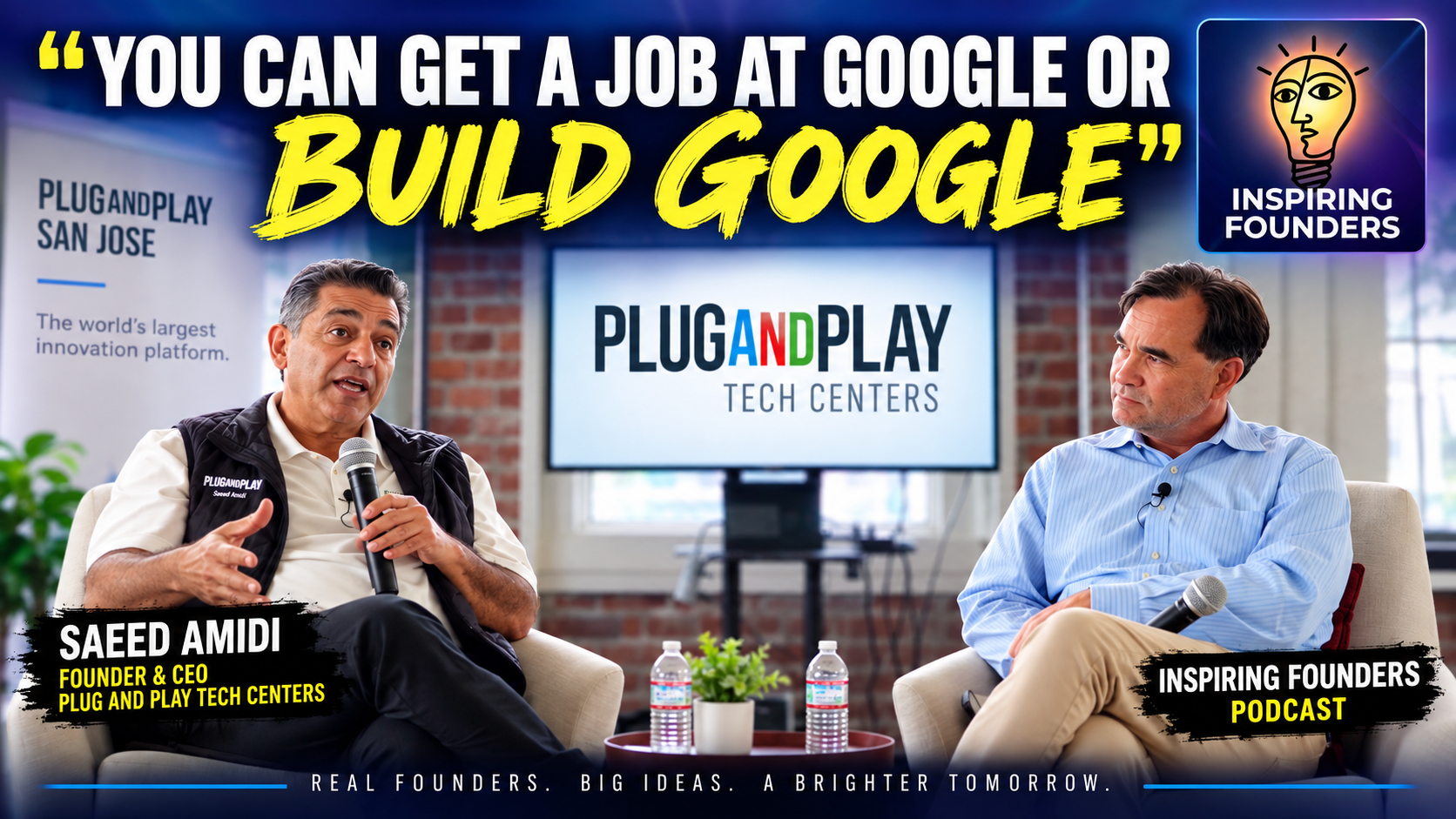
I sat across from Saeed Amidi in San Jose, a live audience in the room with us.
Saeed founded Plug and Play Tech Centers. He also, almost as an aside, runs a plastics and bottled-water company that does a billion dollars a year... which he still calls his "day job."
He told us about a building on University Avenue in Palo Alto. His first tenant there was Peter Thiel. His third was Andy Rubin. And in that same stretch, Larry and Sergey were building Google. He calls it the lucky building, the one that got him into PayPal.
Now Plug and Play invests in about 100 startups a year. He's building an AI Center of Excellence in San Jose. He thinks the AI revolution is 10 to 20 times bigger than mobile... and still only the tip of the iceberg.
But the part that stayed with me wasn't the numbers.
It was when he talked about pressure as a prerequisite. And why he won't back a founder who has a Plan B.
Then he closed with a line, and the whole room lit up:
"You can either get a job at Google, or BUILD Google!"
Full conversation with Saeed is on the Inspiring Founders Podcast. Watch it on YouTube, or listen on Spotify.
#IndependentConsultant#GoingIndependent#Coaching#ThoughtLeadership…more
I love seeing this.
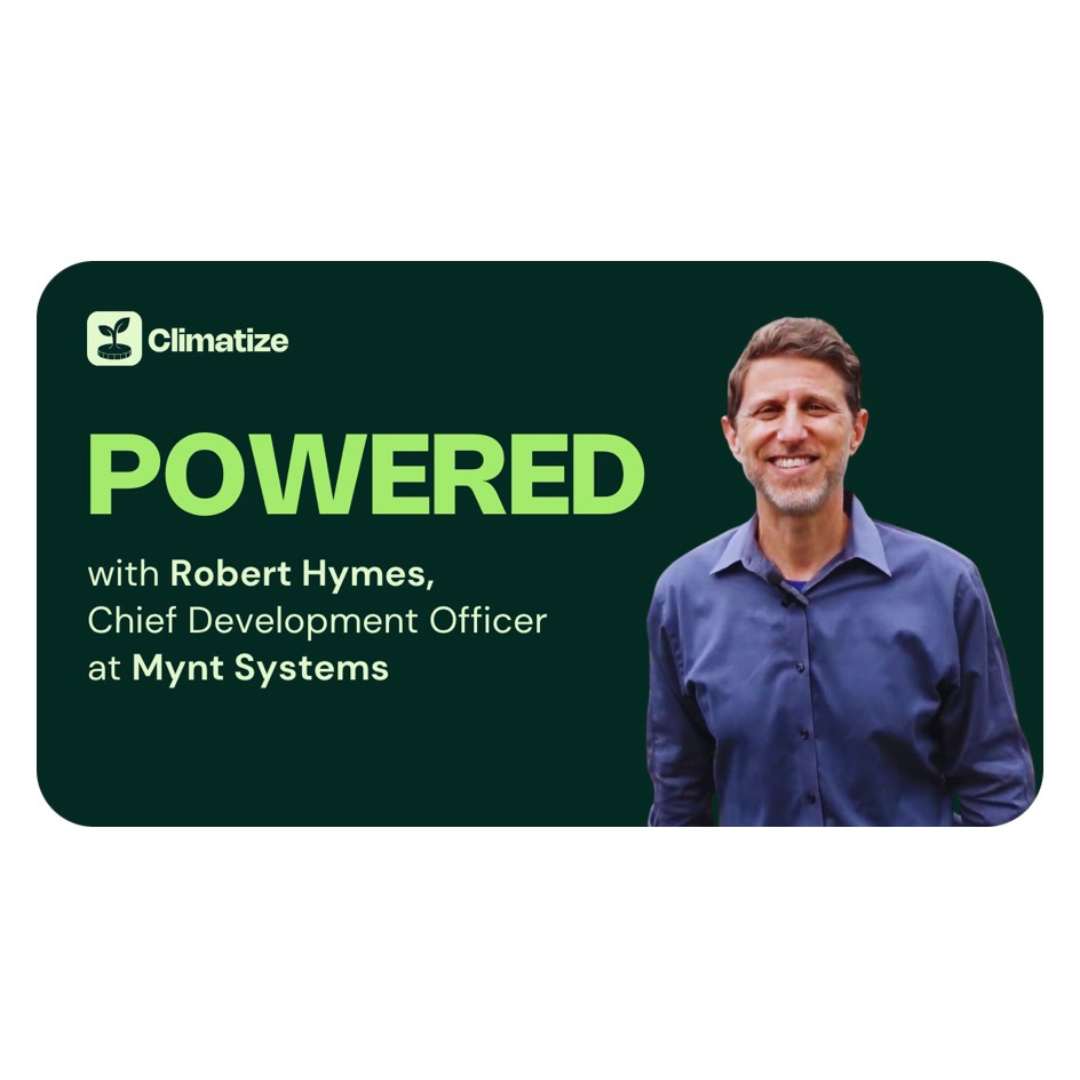
West Sacramento just cut the ribbon on community-funded EV charging infrastructure. Not a government grant. Not a big utility play. Grassroots clean energy, funded by the people who will use it.
Here's what caught my attention: they didn't wait for permission or perfect conditions. They validated demand with the community first, then built the solution.
That's exactly how early traction works.
Most founders think they need all the resources lined up before they can make a move. Full budget. Perfect messaging. Complete product. But momentum doesn't start that way.
It starts when you validate a real problem with the people who feel it most, then build the smallest version that solves it.
The West Sacramento project didn't need top-down approval or a five-year roadmap. They identified a local gap, rallied the people who needed the solution, and moved forward with what they had.
If you're stuck waiting for the perfect conditions to launch your next campaign, refine your positioning, or start building visibility, this is your reminder: traction comes from action, not preparation.
Find the smallest group that feels your solution. Validate that it matters to them. Build for that group first.
The infrastructure comes after the momentum, not before.
If you're wrestling with early go-to-market strategy or how to build traction before you have all the resources, let's talk. I run free 15-minute marketing audits for founders. Comment below and I'll send you the link.
https://www.santacruzworks.org/news/powered-by-climatize-community-funded-ev-charging-comes-to-west-sacramento…more
After working with hundreds of founders, one pattern keeps repeating.
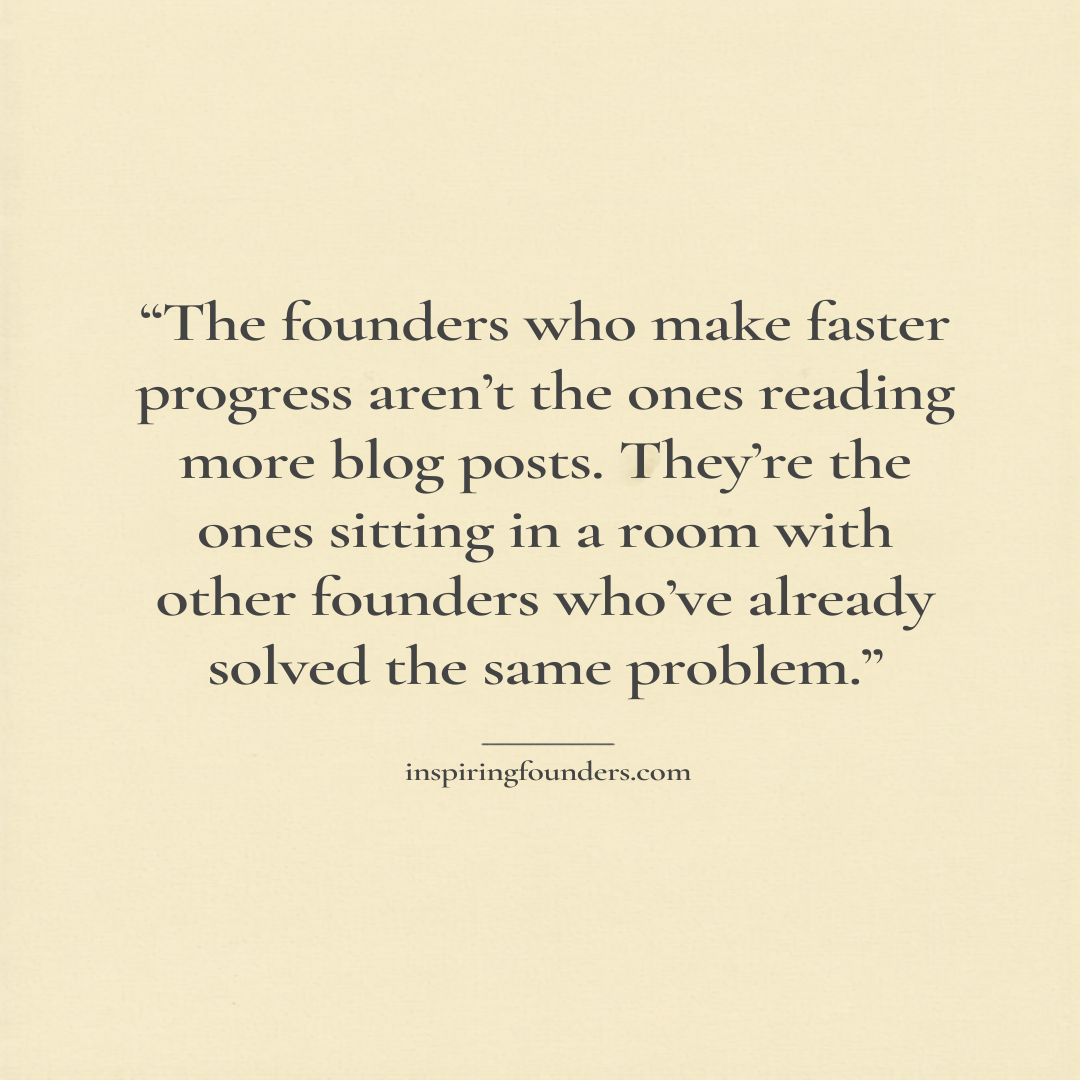
The ones who make faster progress are not the ones reading more blog posts or watching more tutorials. They are the ones sitting in a room with other founders who have already solved the same problem.
You skip the trial and error. You see what actually works. You adapt it to your business and move forward.
That is exactly why I created the Inspiring Founders Peer Group.
It is built for founders who want to build a valuable business without burning cash on marketing or headcount. We meet once a month in person in San Jose or Santa Cruz. The focus is on practical problems, real workflows, and honest feedback from people who understand the tradeoffs you are making.
You do not need to have everything dialed in. You just need to be willing to show up, ask good questions, and apply what you learn.
If this sounds like your next step, apply to join the next meeting at inspiringfounders.com.
https://www.inspiringfounders.com/#Founders#PeerGroup#BayArea…more
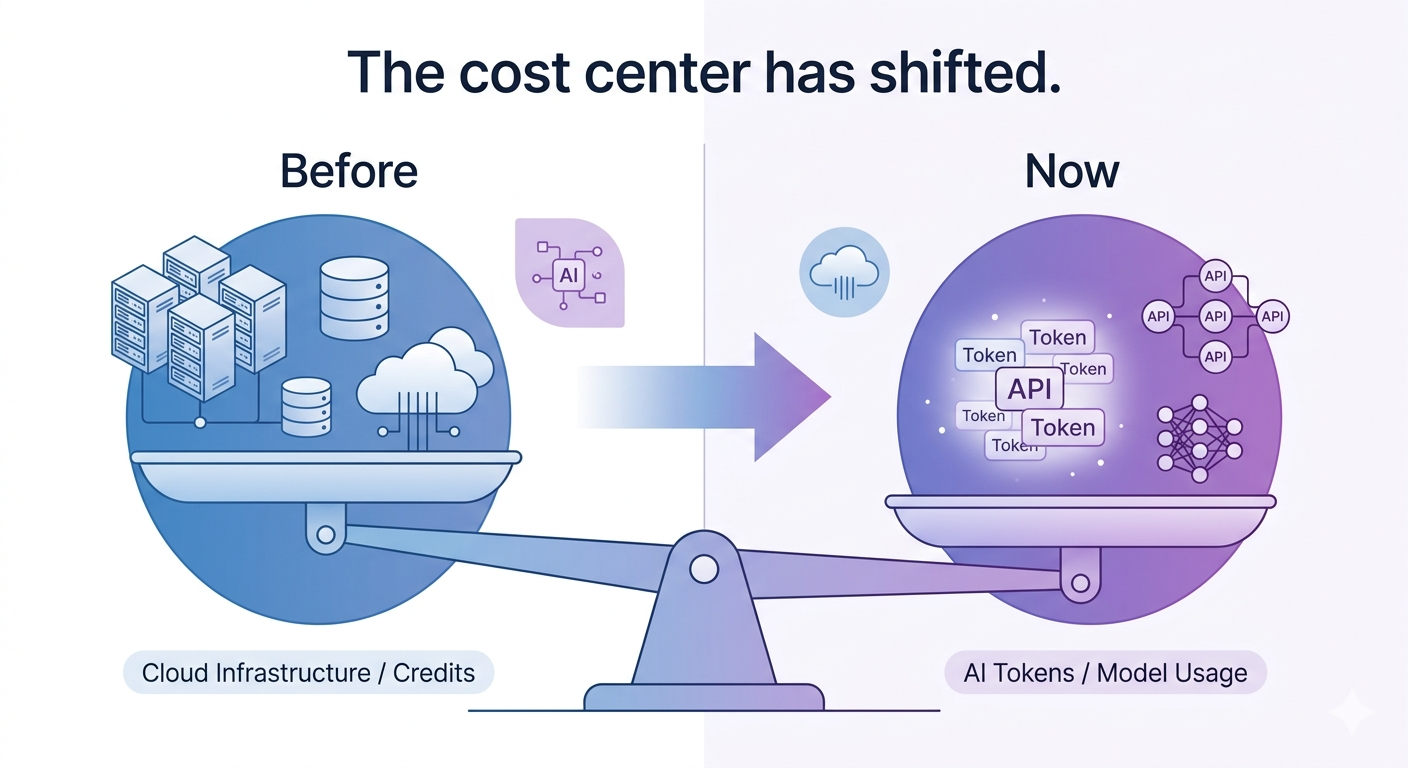
Accelerators once extended runway with cloud credits. That logic still applies, but the center of gravity has shifted. Many early-stage products now spend more on AI tokens than on traditional infrastructure. If your financial plan still assumes free cloud credits, update it and protect your runway.
If marketing is eating your time and budget, Radi8 helps founders run marketing faster and cheaper than hiring consultants. Comment and I’ll reach out. #startupshttps://www.santacruzworks.org/news/startups-need-ai-tokens-more-than-cloud-credits…more
Reading CarbonBridge’s 2026 forecast, I’m encouraged by their shift from R&D to early commercialization. Two practical lessons for founders: secure non-dilutive reimbursements or early contracts to fund operations, and start pilot-site planning well before you expect to raise. Their first product sales to Lawrence Berkeley Lab validate the path, while fundraising and pilot timing remain bottlenecks. If you’re building pilots or need introductions, send me a message.
https://www.santacruzworks.org/news/carbonbridge-2026-forecast-emerging-revenues-clearing-product-salesnbsp…more


 View on LinkedIn
Also on

'/%3E%3Cpath fill='%23fff' d='M12 7.3A4.7 4.7 0 1 0 16.7 12 4.7 4.7 0 0 0 12 7.3Zm0 7.8A3.1 3.1 0 1 1 15.1 12 3.1 3.1 0 0 1 12 15.1Zm5-8a1.1 1.1 0 1 0 1.1 1.1A1.1 1.1 0 0 0 17 7.1Zm-5 1.5c-1.5 0-1.7 0-2.3.1a3.8 3.8 0 0 0-1.3.2 2.2 2.2 0 0 0-.8.5 2.2 2.2 0 0 0-.5.8 3.8 3.8 0 0 0-.2 1.3c-.1.6-.1.8-.1 2.3s0 1.7.1 2.3a3.8 3.8 0 0 0 .2 1.3 2.2 2.2 0 0 0 .5.8 2.2 2.2 0 0 0 .8.5 3.8 3.8 0 0 0 1.3.2c.6.1.8.1 2.3.1s1.7 0 2.3-.1a3.8 3.8 0 0 0 1.3-.2 2.5 2.5 0 0 0 1.3-1.3 3.8 3.8 0 0 0 .2-1.3c.1-.6.1-.8.1-2.3s0-1.7-.1-2.3a3.8 3.8 0 0 0-.2-1.3 2.2 2.2 0 0 0-.5-.8 2.2 2.2 0 0 0-.8-.5 3.8 3.8 0 0 0-1.3-.2c-.6-.1-.8-.1-2.3-.1Zm0-1.6c1.5 0 1.7 0 2.4.1a5.5 5.5 0 0 1 1.8.3 3.8 3.8 0 0 1 2.2 2.2 5.5 5.5 0 0 1 .3 1.8c.1.7.1.9.1 2.4s0 1.7-.1 2.4a5.5 5.5 0 0 1-.3 1.8 3.8 3.8 0 0 1-2.2 2.2 5.5 5.5 0 0 1-1.8.3c-.7.1-.9.1-2.4.1s-1.7 0-2.4-.1a5.5 5.5 0 0 1-1.8-.3 3.8 3.8 0 0 1-2.2-2.2 5.5 5.5 0 0 1-.3-1.8C4 13.7 4 13.5 4 12s0-1.7.1-2.4a5.5 5.5 0 0 1 .3-1.8 3.8 3.8 0 0 1 2.2-2.2 5.5 5.5 0 0 1 1.8-.3C10.3 5 10.5 5 12 5Z'/%3E%3C/svg%3E)