Organization focused on AI leadership and innovation for the Fourth Industrial Revolution, based in Silicon Valley
· LinkedIn
·
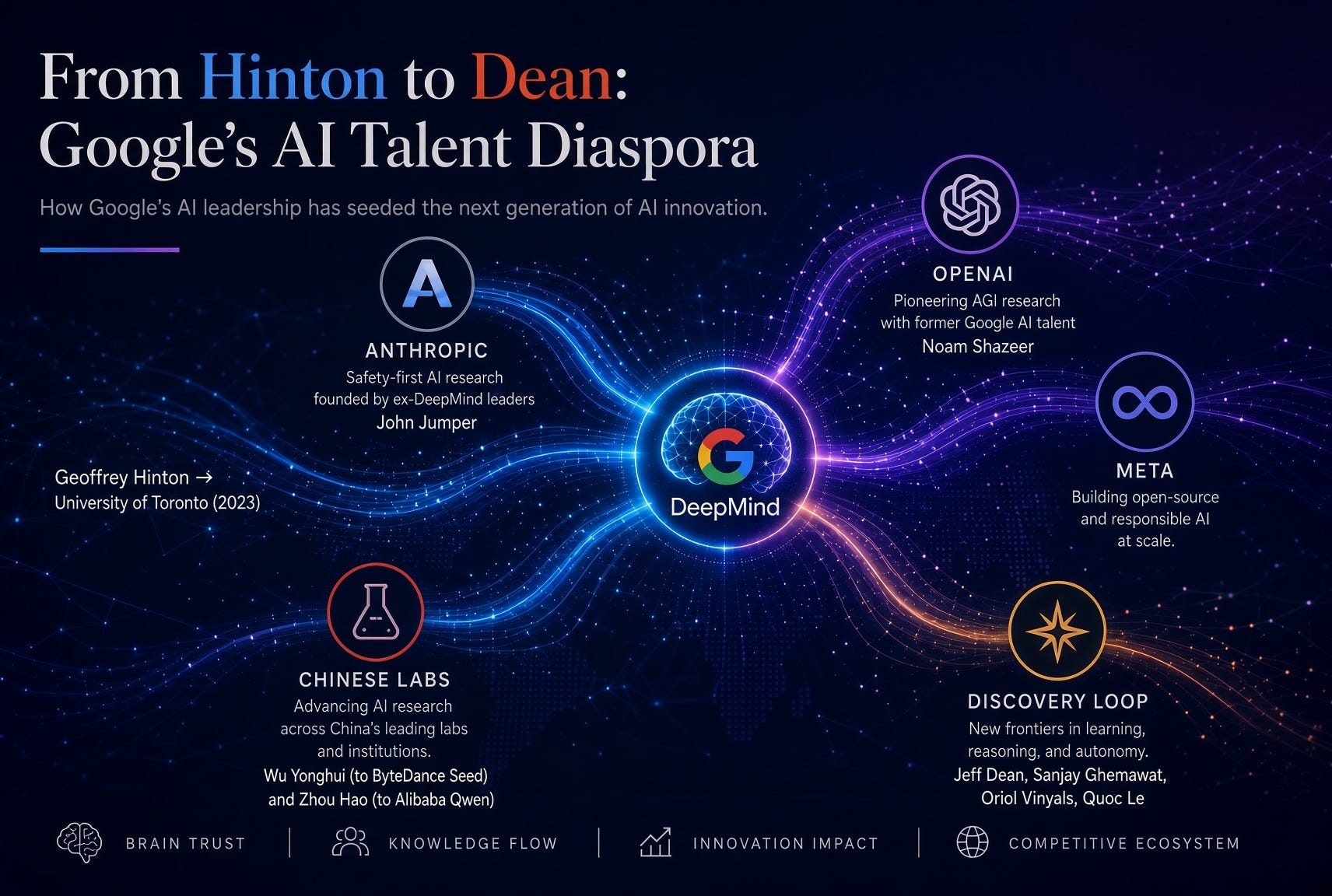
From Hinton to Dean: Google's AI Talent Diaspora
Jeff Dean is one of the true legends in the field. When people of that caliber leave to start something new, talent follows. Discovery Loop (Dean + Sanjay Ghemawat + Oriol Vinyals + Quoc Le) is already proving the point — reports this week put them in talks for ~$1B at a ~$10B valuation while still in the earliest stage and just beginning to hire.
This is not a new pattern. It is the acceleration of one I covered in AI L4IR.
Geoffrey Hinton left Google in 2023 so he could speak freely about AI risks. The original Transformer authors all eventually left. In the more recent wave we have seen clear directional flows: multiple high-profile researchers (including Nobel laureate John Jumper and key Gemini/AlphaFold contributors) to Anthropic; Noam Shazeer and others to OpenAI; and researchers such as Denny Zhou and Dawn Song to Meta's Superintelligence efforts. Some have even moved beyond the first destination — Shazeer being the clearest serial case (Google → Character.AI → back to Google → OpenAI).
Every major lab has now either lost or gained from the concentrated pool Google spent years building. Pure-play labs, companies like Cohere, and Chinese efforts all benefit when deep expertise becomes more distributed. The result is faster diffusion of systems knowledge, research taste, and experimental methods — which compresses gaps even as competition intensifies.
For Google, this can still be a useful crisis if treated that way.
Visible high-profile exits force the hard questions: Are we fast enough? Is ownership and focus real enough inside the walls? Is compute allocation clear? The organizations that treat talent loss as pure damage usually keep losing. The ones that use it as a forcing function to raise the internal bar often come out sharper on velocity and retention.
Google still has residual depth, infrastructure, and the ability to back the people who leave (as it is doing with Discovery Loop). The test is whether the new leadership structure and the pressure from these exits produce a genuine step-up — or whether the pattern simply continues.
Legends leaving doesn't just create competitors. It raises the competitive temperature for everyone, including the place they left. …more
Co-Founder at Cora Nexus AI | Startup Ops | Force Multiplier | Project Manager | Strategic Planning | Cross-Functional Systems
· LinkedIn
·
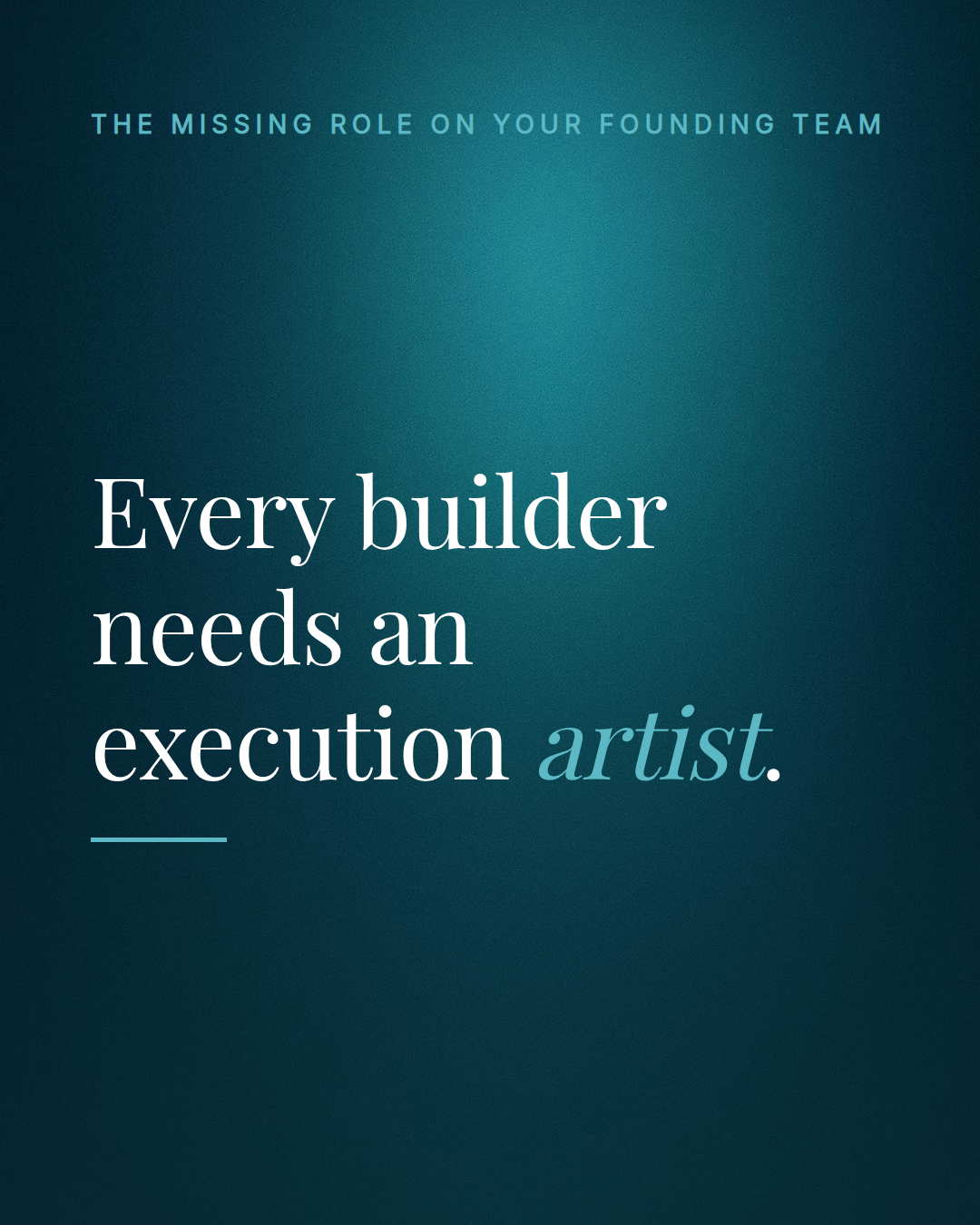
The best co-founders aren't two builders - they're a builder and an execution artist.
I've noticed the teams that struggle early often have the same problem: everyone wants to build. Nobody wants to build the systems around the building.
Which makes sense. Especially in the early stages, momentum feels like everyone sprinting in the same direction. But building the product and building the business are two different jobs.
One person is asking, "What's possible?"
The other is asking, "How do we do this 100 more times without everything catching fire?"
You don't always need another co-founder for that. Sometimes you need someone who can step in, build the operational foundation, and hand owners and founders back the time they're spending putting out fires.
That's my favorite part of the job. Ops isn't known to be glamorous - but dang, it is to me.
P.S. Did I just make up "execution artist"? I'm keeping it. It's either a COO or a Bond villain. Either way, I'm here for it and just wish it looked less sinister on a business card. …more
Founder at Radi8 // Executive Coach // Host of the Inspiring Founders Podcast
· LinkedIn
·
Put a builder in a mature operating role and watch them get restless. Everything already works, so they start breaking things just to have something to invent. Put an operator into a 0-to-1 mess and watch them freeze — there's no system to optimize yet, no data to trust, nothing to make more efficient. Both are talented. Both are miserable. And both look like performance problems when they're really fit problems.
I've watched this play out on team after team. The builder who was electric in the early days becomes the bottleneck once the thing needs to scale. The seasoned operator who took someone else's company from ten million to a hundred can't get a blank page off the ground. Neither failed. They were each asked to do the other one's job.
There's research behind why this is so predictable. Studying 200+ startups, Noam Wasserman found that founders are most likely to be pushed out right after their biggest wins — because success changes the job. What comes next rewards a different set of instincts than what got them there. The person didn't get worse. The job changed under them.
The takeaway isn't "builders are better" or "operators are better." It's that they're different, and the strongest ventures pair them on purpose — an inventor to make it exist, an operator to make it endure. The mistake is expecting one person to be both, or hiring the wrong one for the moment you're actually in.
So before you hire, get honest about which one you are — and which one you're missing.
Are you the builder or the operator on your team? And who's the counterpart you still need? …more
Put a builder in a mature role and they break things just to have something to invent. Put an operator in a 0-to-1 mess and they freeze.
Both are talented. Both look like performance problems. They're fit problems.
Founder at Radi8 // Executive Coach // Host of the Inspiring Founders Podcast
· LinkedIn
·
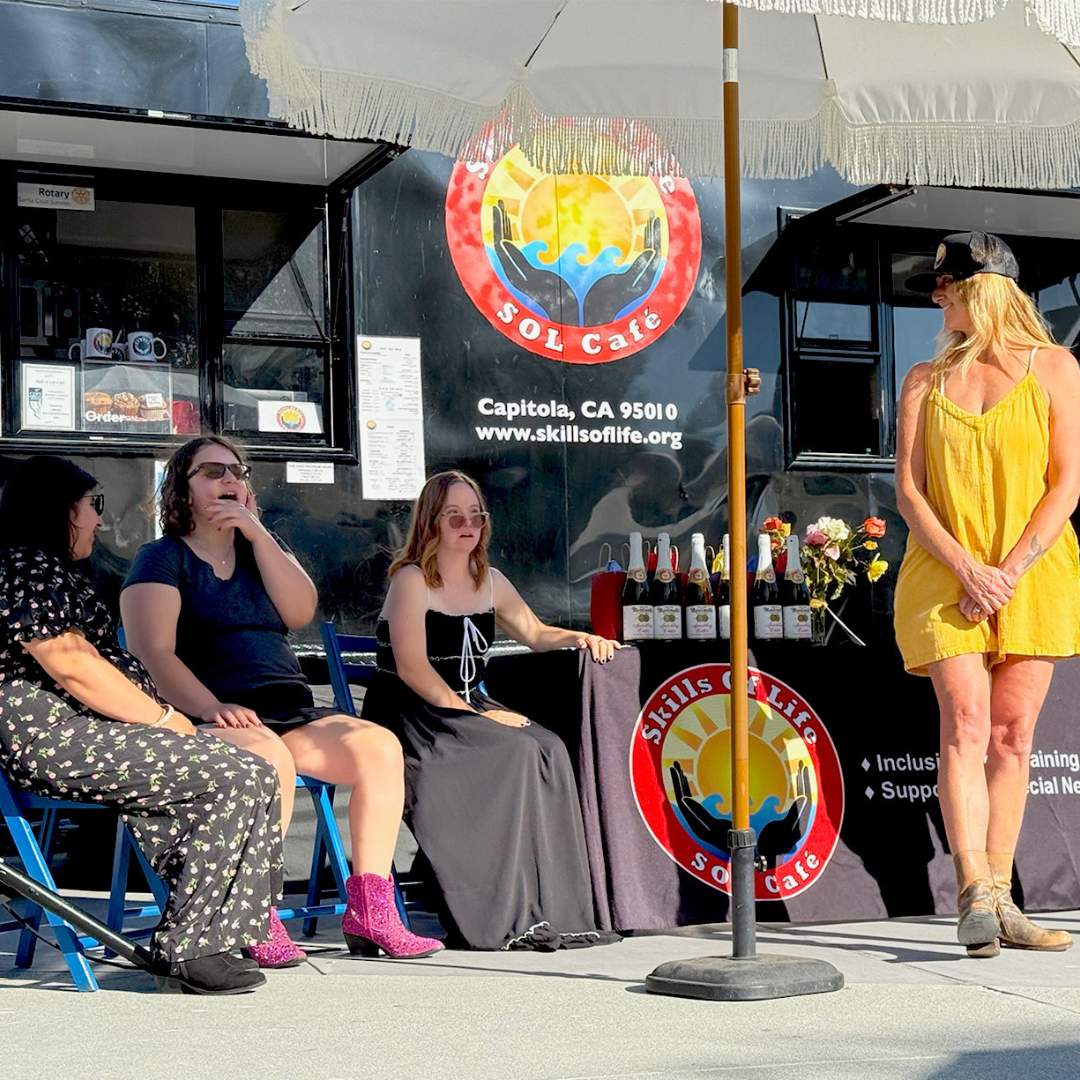
I’m inspired by SOL Café’s model that trains neurodiverse teens and young adults and creates pathways to independence in the community and workforce. From launching inclusive programs, I learned three practical steps: co-design training with participants and families; define clear, task-based roles with supervisor supports; partner with local employers to pilot and refine pathways. If you are building or piloting similar programs, send me a message to compare notes and explore partnerships. #inclusionhttps://www.santacruzworks.org/news/sol-cafe-creates-job-pathways-for-neurodiverse-talent…more
Founder at Radi8 // Executive Coach // Host of the Inspiring Founders Podcast
· LinkedIn
·
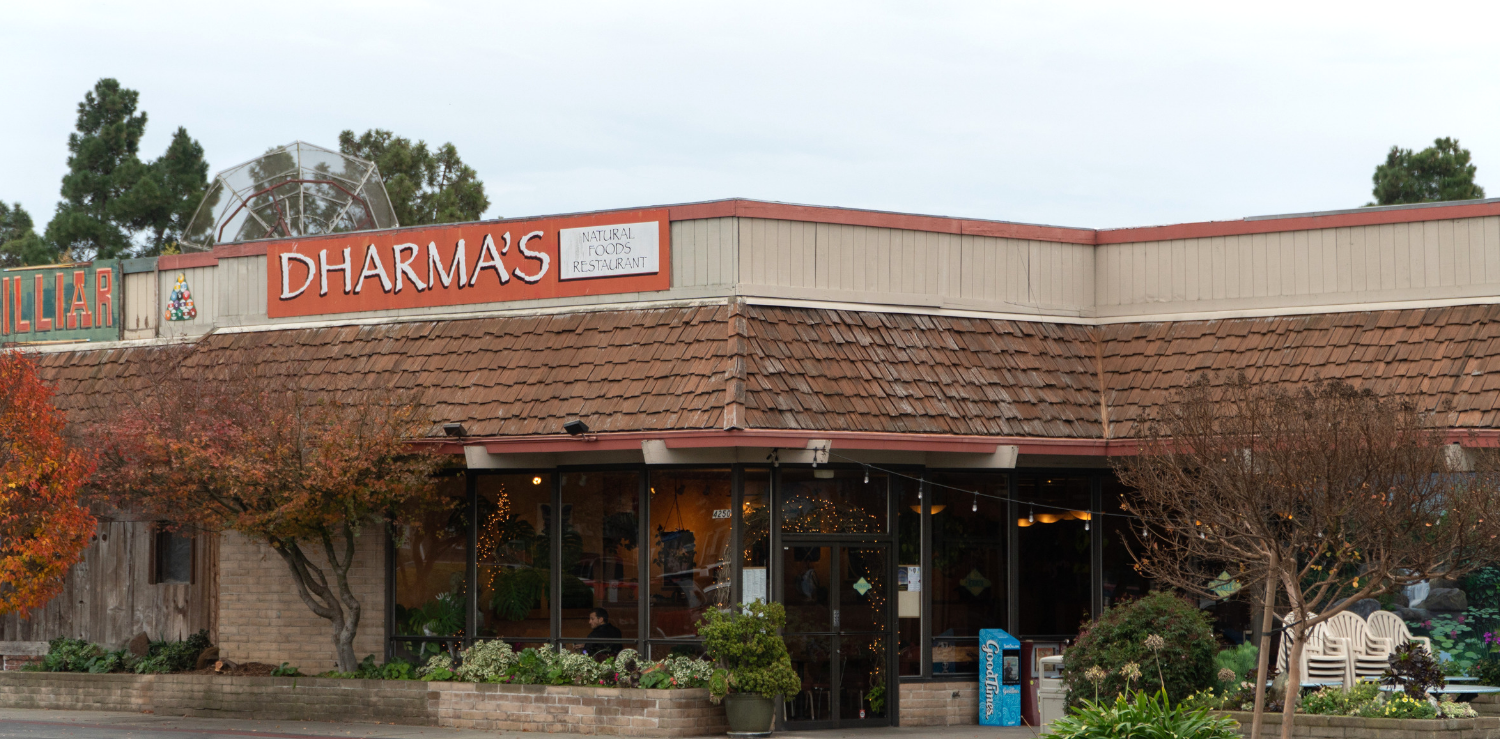
I read "Santa Cruz is not Silicon Valley (and we don't want to be.)" and it landed for me. From launching startups and local programs I've learned you can build world-class companies while staying rooted in the place and values that matter. Practical moves that helped teams here: get customer feedback early, hire flexibly to keep local talent, run small paid pilots, and build mentor networks. Send me a message.
https://www.santacruzworks.org/news/santa-cruz-is-not-silicon-valley-and-we-dont-want-to-be…more

 View on LinkedIn
Also on
View on LinkedIn
Also on