Orbital AI Unleashed: SpaceX's IPO and the Future of Compute in Space
As I wrote in my May blog right after the S-1 filing, SpaceX was already transforming from a rocket company into something much bigger. Now, officially public, that vision has real capital behind it.
SpaceX went public on June 12, 2026 (ticker SPCX) in the largest IPO in history — raising ~$75 billion at $135/share. It quickly traded up to $150–161, pushing the market cap above $2.1 trillion and making Elon Musk the world's first trillionaire. A massive vote of confidence in SpaceX's expanded AI + multiplanetary mission.
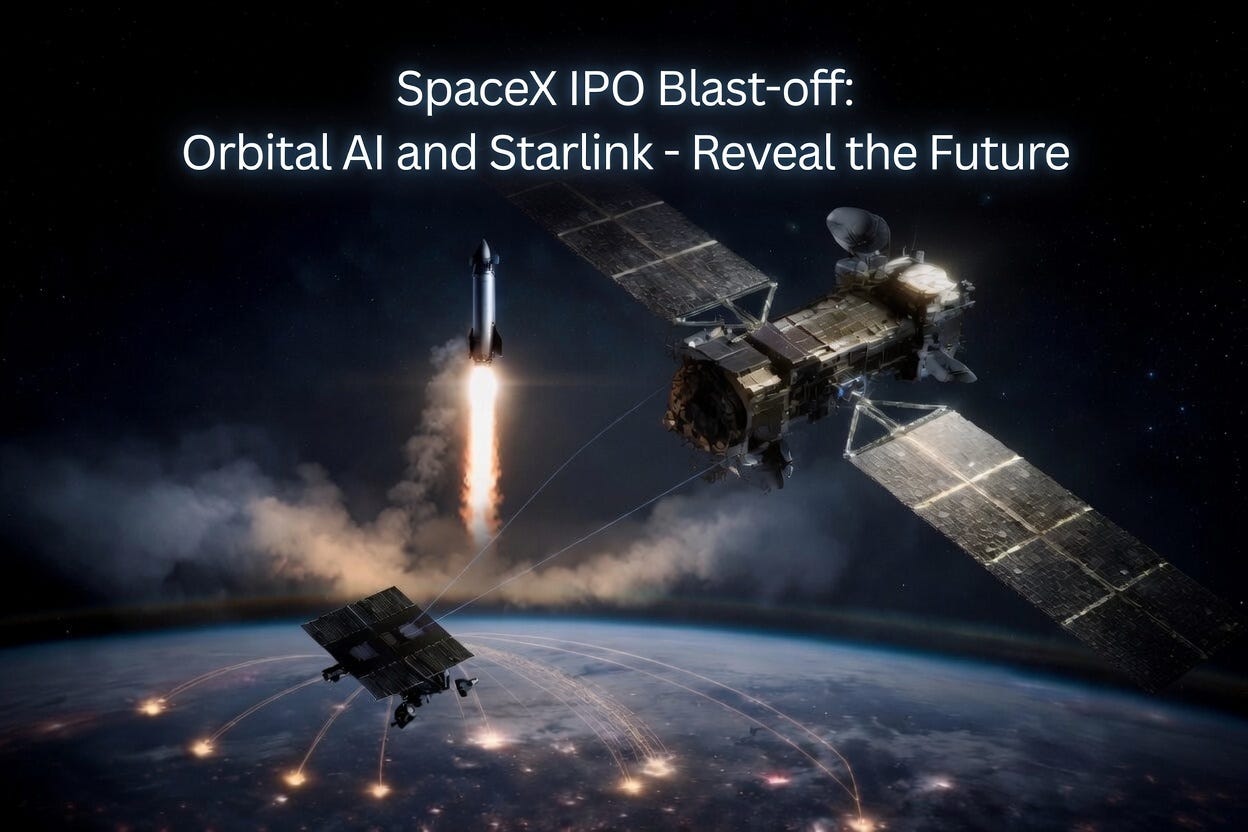
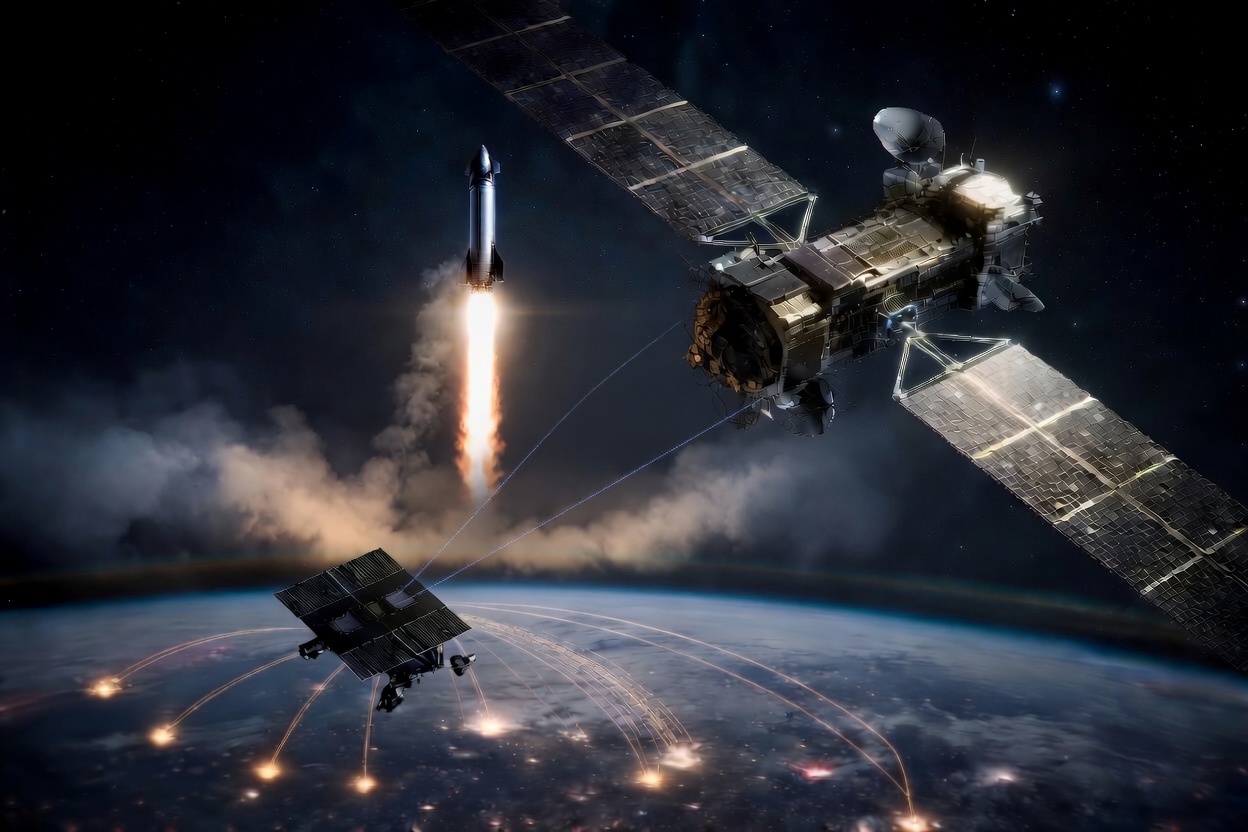
Beyond reusable rockets and Starlink, the real story is SpaceX's evolution into a vertically integrated AI infrastructure powerhouse — with plans for the world's first orbital data centers.
Why Go Orbital?
Hyperscale data centers on Earth are hitting serious walls: NIMBY resistance, zoning battles, power grid constraints, and enormous water usage have delayed or blocked tens of billions in projects in 2026 alone.
Orbital data centers sidestep all of this — unlimited solar power in constant sunlight, passive radiative cooling in the vacuum of space, and zero land or local regulatory fights.
The Vision & Economics
SpaceX aims to launch solar-powered AI compute satellites as early as 2028, scaling with Starship's payload capacity. Starlink provides the low-latency laser links back to Earth.
The model flips traditional data centers: huge upfront launch costs (targeting $100/kg or lower) but dramatically lower ongoing energy and cooling expenses. Orbital decay (5–10 year LEO lifespan) and radiation mean regular refreshes, but controlled deorbiting keeps it sustainable.
Competition & The Ultimate Moat
Starlink dominates the Low-Earth Orbit broadband market with 10M+ subscribers. Amazon's Leo (formerly Project Kuiper) is the most credible challenger, targeting commercial service later in 2026.
The real differentiator is Musk's vertical integration: SpaceX (launch + orbital infrastructure), xAI (Grok frontier models with real-time X data), Starlink (connectivity), and Tesla (Optimus robots for in-space assembly + FSD/Robotaxi data flywheel).
Competitors like Amazon rely on Anthropic and OpenAI for frontier models, while Blue Origin and legacy players (Boeing, Lockheed Martin) lag in execution speed and integration.
Bottom Line
SpaceX's IPO validates a bold bet on moving AI compute into orbit to overcome Earth's infrastructure limits. High-risk, high-reward — but the vertical moat is formidable.
Full deep-dive on economics, risks, radiation, orbital lifespan, and Tesla synergies here:
https://open.substack.com/pub/kentkaufman/p/orbital-ai-unleashed-spacexs-ipo?r=8iaf19&utm_campaign=post&utm_medium=web&showWelcomeOnShare=true
What's your take? Is moving AI infrastructure to space visionary, or too ambitious? Thoughts below.
#SpaceX #Starlink #OrbitalAI #IPO #xAI #Tesla #AI …more


 View on LinkedIn

 View on X