
K

Kent Kaufman
· LinkedIn
Organization focused on AI leadership and innovation for the Fourth Industrial Revolution, based in Silicon Valley
SpaceX's S-1: From Rockets to Orbital AI
SpaceX filed its long-awaited S-1 on May 20, 2026, ahead of what could be the largest IPO in history. While headlines focus on reusable rockets and Starlink, the filing reveals a deeper transformation: the acquisition of xAI has repositioned SpaceX as a vertically integrated AI infrastructure powerhouse with plans to build the world's first orbital data centers.
This isn't just a rocket company anymore.
The xAI Merger: The Turning Point
In February 2026, SpaceX merged with Elon Musk's xAI in an all-stock deal, folding Grok, massive compute clusters (Colossus I & II), the X platform, and orbital ambitions into one entity. The S-1 now reports three segments: Space (launch), Connectivity (Starlink), and AI (xAI/Grok/X/compute).
The numbers tell the story. In 2025, the AI segment generated $3.2B in revenue but posted a $6.4B operating loss on $12.7B in capex. A major bright spot: Anthropic agreed to pay $1.25B/month for Colossus compute access through 2029.
The Orbital AI Vision
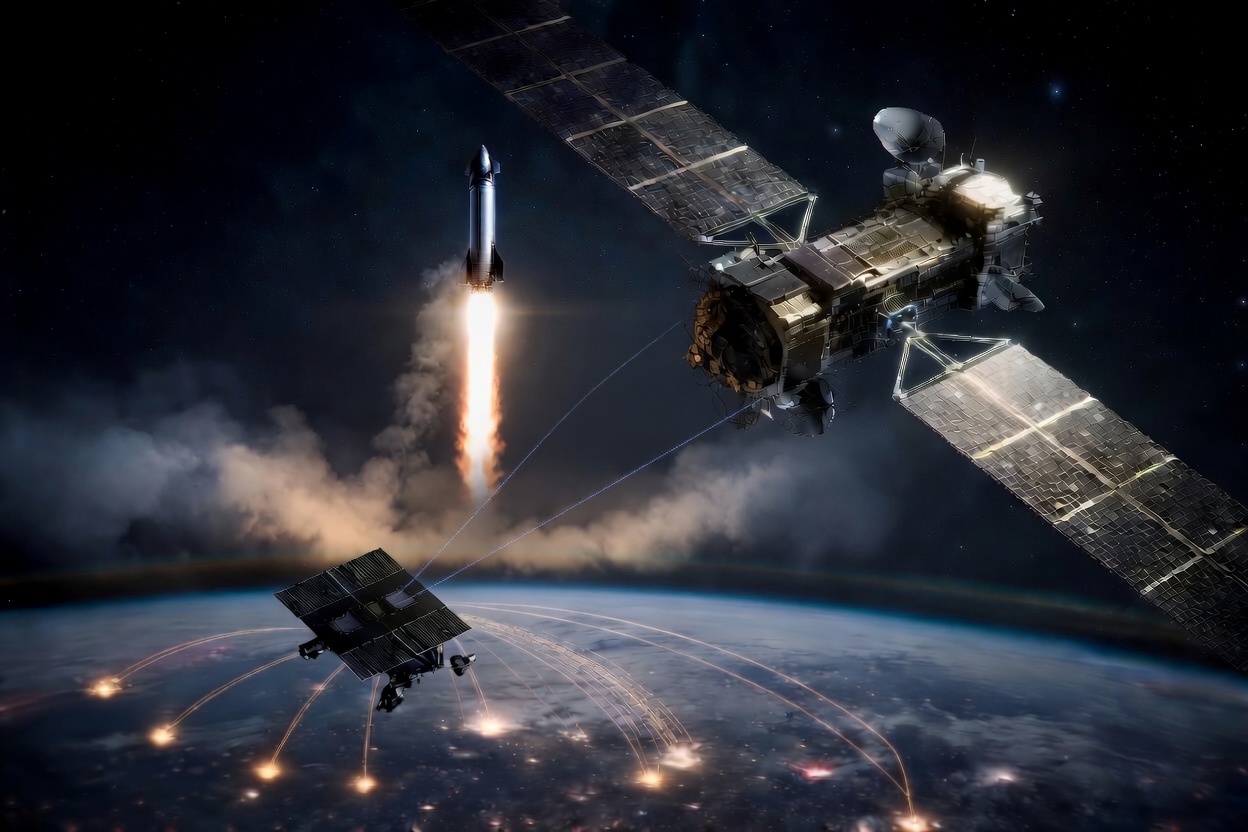
The true moonshot is orbital AI compute. SpaceX plans to deploy solar-powered "AI compute satellites" acting as orbital data centers as early as 2028, leveraging:
🔆 Unlimited solar power — no grid constraints
❄️ Radiative cooling in the vacuum of space
🔗 Starlink's inter-satellite laser links
🚀 Starship's low-cost, high-payload launches
SpaceX has filed with the FCC for up to one million such satellites, with ambitions to add tens of gigawatts of AI compute capacity annually — without terrestrial infrastructure strain.
Why It Matters
The S-1 pegs SpaceX's TAM at $28.5 trillion — 93% tied to AI. Starlink provides the backbone. Starship enables cheap access to space. xAI supplies the models. The result: unprecedented vertical integration across rockets, satellites, networking, chips, and applications.
Risks are real: unproven technology, harsh space environment, regulatory hurdles, and years until commercial viability. But the vision is clear.
SpaceX is no longer just sending payloads to orbit. It's positioning itself to host intelligence there.
The rocket rides are just the beginning.
@Manoj Fernando
#SpaceX
 View on LinkedIn