
M

Michael Ashley
· LinkedIn
Founder at Radi8 // Executive Coach // Host of the Inspiring Founders Podcast
This is how you create great content for your customers - be specific, generous, and valuable.
Elizabeth Greenfield runs a functional wellness practice. Her ideal clients are people dealing with exhaustion, weight gain, and feeling wired despite doing everything right. Classic signs of chronic stress.
She could post generic wellness tips. Drink more water. Get more sleep. Eat better.
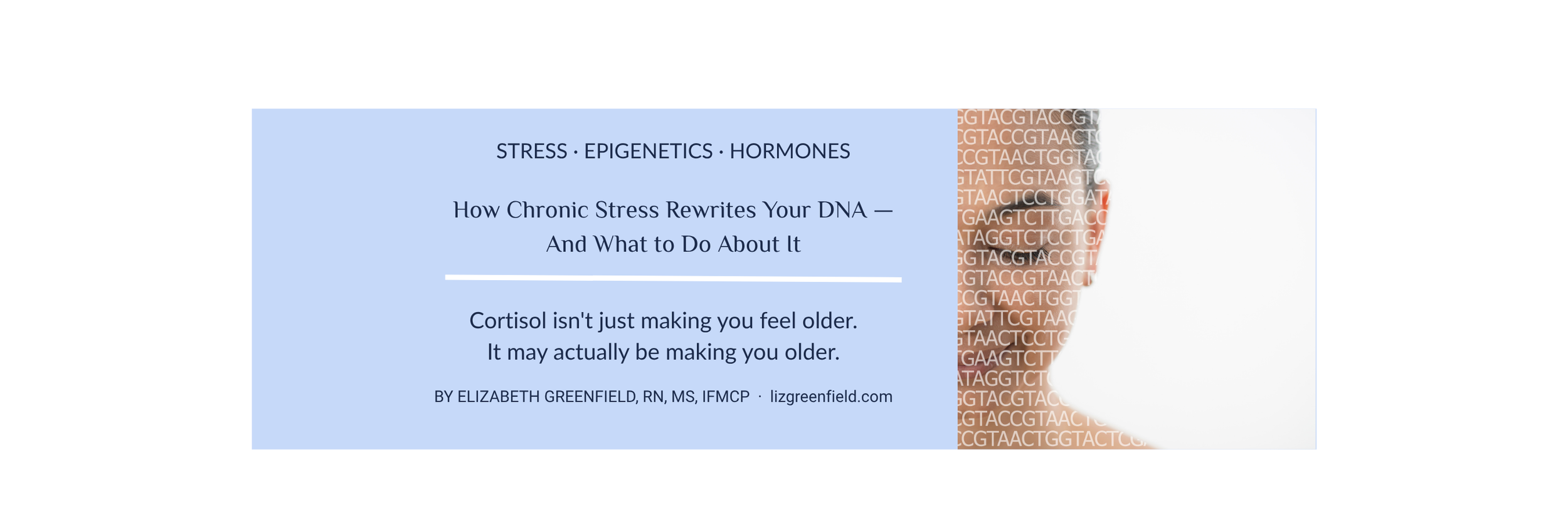
Instead, she publishes content that connects stress to something most people don't know about: how cortisol alters DNA methylation and accelerates biological aging at the cellular level.
That level of specificity does two things.
First, it signals expertise. It shows she understands the root cause, not just the symptoms.
Second, it attracts the right people. Someone who's tried everything and still feels terrible is going to stop scrolling when they see content that explains why nothing has worked.
This is the pattern I see in content that actually converts.
It's not about being everywhere or posting every day. It's about understanding your audience well enough to name the problem they're experiencing in a way that makes them feel seen.
If you're struggling to figure out what to post, start here:
What's the specific problem your ideal customer is dealing with right now? Not the surface-level frustration. The underlying issue they might not even have words for yet.
Then create content that connects the dots.
You don't need a big budget or a content team. You need clarity on what your audience is trying to solve.
If you want help translating that into a repeatable content workflow, comment and I'll reach out.
https://www.lizgreenfield.com/blog-1-1/h08r5dhgllb0kfyalh0zrty7ukbgic
 View on LinkedIn
Told 3 times, May 20, 2026 – Aug 4, 2026
· LinkedIn · Open
I've launched four companies. Each one taught me something different about marketing.
But the lesson that shows up every single time is this: the product rarely loses. The story does.
At my second company, we had a genuinely better product than the competition. Better features, better pricing, better support. We still struggled to get traction for the first year.
When I finally sat down and rewrote our messaging, I realized what was wrong. Everything we said described what we built. None of it named the problem our customer was already losing sleep over.
The fix was simple but not obvious: lead with the pain, not the product.
Before: "We help companies manage distributed teams more efficiently."
After: "Your best people are burning out because they're spending half their day coordinating instead of building."
Same product. Completely different response.
The rule I now follow for every piece of marketing copy: if you could put your competitor's logo on it and it would still make sense, rewrite it. Your message should only work for you.
What's the last message you changed that had a bigger impact than you expected?
· LinkedIn · Open
The post that earns a hundred likes from other consultants is often the same one that wins zero clients.
When you're new to being visible, you write toward the approval that feels safest. Other people in your field. Former colleagues. The peers whose respect you spent a career earning. They understand your shorthand. They nod at the clever framework. They leave the generous comment that makes posting feel worth it.
But the client you want is almost never in that room.
It looks like a content problem. It's actually a customer-understanding problem. Writing for your friends, you reach for what impresses people who already know the field. Writing for your customer, you reach for the thing keeping them up at 2am — described in the plain words they'd actually use, not the vocabulary of your profession.
Those two audiences want opposite things. Your peers want to see how much you know. Your customer wants to feel understood. The more you optimize for the first, the more invisible you become to the second, because sophistication reads as noise to someone who just wants their problem named.
Read your last five posts and ask who would nod hardest. If it's people who could do your job, you're writing for the wrong room. If it's people who'd hire you, you're getting warm.
The fix isn't louder or more polished. It's a smaller, clearer picture of one person you're trying to help, and the discipline to write to them even when the applause comes from somewhere else.
When you catch yourself writing for the room instead of the client, what usually pulls you back?
#IndependentConsultant #Coaching #Positioning #CustomerDiscovery #ThoughtLeadership